THE ADVENTURE COLLECTIVE® · Independent discovery and booking for outdoor travel

Technical singletrack winds through chestnut forest and centuries-old schist villages on Serra da Lousã. Options span 8–18 km with 500–800 m elevation gain, ideal for trail runners who want culture and challenge in one run.
Technical singletrack winds through chestnut forest and centuries-old schist villages on Serra da Lousã. Options span 8–18 km with 500–800 m elevation gain, ideal for trail runners who want culture and challenge in one run.
The morning air on Serra da Lousã bites with a coolness that pushes you into rhythm — feet finding grip on schist slabs, breath matching the ridge's slow rise. Singletrack threads through chestnut and pine, then opens onto scattered schist villages where stone houses crouch against the slope like old guardians. Running here is part movement, part exploration: technical rock, quick ascents, and repeated moments to stop and look back at the valley carved by small streams.
Verified experiences and guided adventures in the surrounding area.
Operated by Aventuras Forte(s) - Turismo de Natureza · Lousã, Coimbra District
The morning air on Serra da Lousã bites with a coolness that pushes you into rhythm — feet finding grip on schist slabs, breath matching the ridge's slow rise. Singletrack threads through chestnut and pine, then opens onto scattered schist villages where stone houses crouch against the slope like old guardians. Running here is part movement, part exploration: technical rock, quick ascents, and repeated moments to stop and look back at the valley carved by small streams.
This range in central Portugal carries a rural history: the aldeias do xisto (schist villages) are traditional mountain settlements rebuilt and maintained in recent decades as cultural heritage and art retreats. Geologically, the Lousã is composed of metamorphic schists and quartzites, producing crumbly technical trail underfoot and sudden rocky pitches. Locals raise chestnuts and olives; villages show stone masonry and narrow lanes that hint at centuries of mountain life.
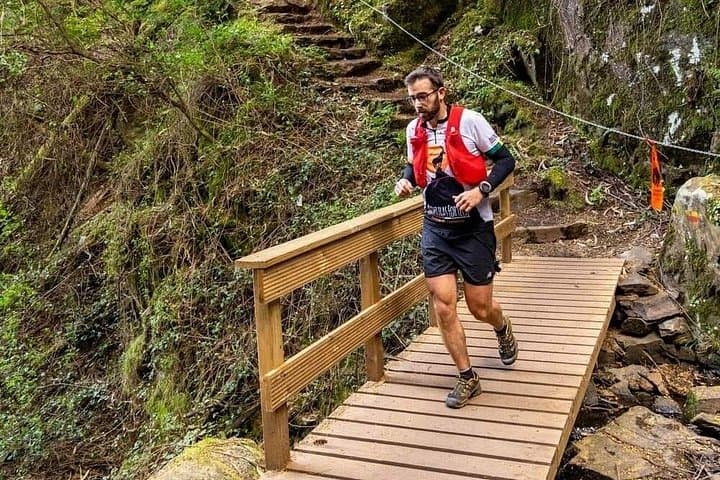
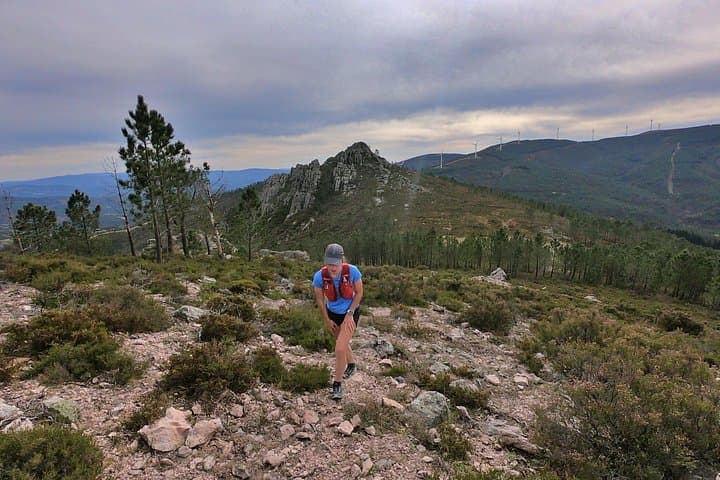
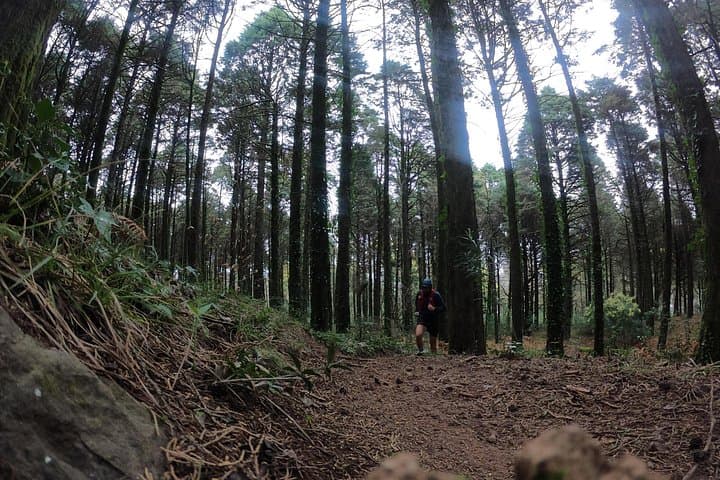
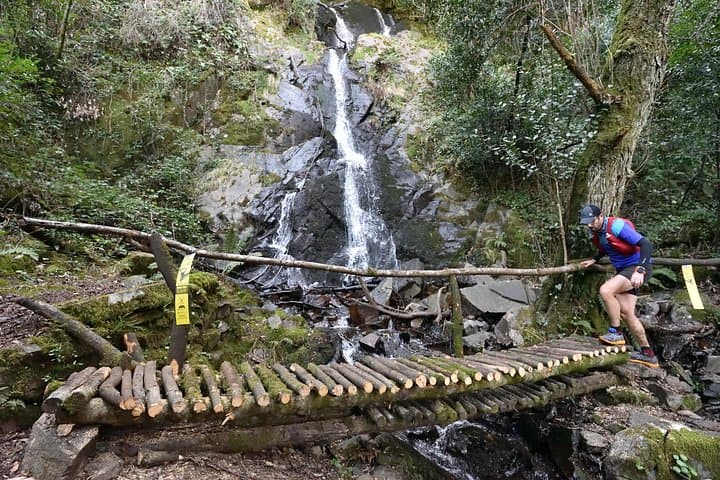
Expect varied terrain — tight forest singletrack, exposed scrub ridges, and granite outcrops. The guides pause at viewpoints and village squares, offering context and a chance to photograph windows framed with stone. Pace is adaptable: planned options range from 8–18 km and 500–800 m of elevation gain, rated moderate to difficult depending on route.
Practical notes: wear sticky trail shoes, carry 1–2 L water, and plan for variable weather; late-afternoon storms can appear fast. The tour includes private transport, bottled water, and technical guides; it’s best for runners with prior technical-trail experience and moderate fitness seeking sustained climbs and rewarding, village-lined descents.
Routes range from 8–18 km with 500–800 m of ascent; you should have regular trail-running experience and be comfortable with sustained climbs and technical descents.
Guides are qualified and the tour includes private transportation; check booking details for language availability or request during booking.
Yes — guides adapt distance and pace to ability, offering shorter options or slower, walk-run segments when needed.
Tours may be canceled for heavy rain or unsafe conditions; check the cancellation policy and consider waterproof gear for light rain.
Aventuras Forte(s) - Turismo de Natureza operates guided outdoor trips and adventures with an emphasis on safety, stewardship, and memorable experiences.
The morning air on Serra da Lousã bites with a coolness that pushes you into rhythm — feet finding grip on schist slabs, breath matching the ridge's slow rise. Singletrack threads through chestnut and pine, then opens onto scattered schist villages where stone houses crouch against the slope like old guardians. Running here is part movement, part exploration: technical rock, quick ascents, and repeated moments to stop and look back at the valley carved by small streams.
The morning air on Serra da Lousã bites with a coolness that pushes you into rhythm — feet finding grip on schist slabs, breath matching the ridge's slow rise. Singletrack threads through chestnut and pine, then opens onto scattered schist villages where stone houses crouch against the slope like old guardians. Running here is part movement, part exploration: technical rock, quick ascents, and repeated moments to stop and look back at the valley carved by small streams.
This range in central Portugal carries a rural history: the aldeias do xisto (schist villages) are traditional mountain settlements rebuilt and maintained in recent decades as cultural heritage and art retreats. Geologically, the Lousã is composed of metamorphic schists and quartzites, producing crumbly technical trail underfoot and sudden rocky pitches. Locals raise chestnuts and olives; villages show stone masonry and narrow lanes that hint at centuries of mountain life.
Expect varied terrain — tight forest singletrack, exposed scrub ridges, and granite outcrops. The guides pause at viewpoints and village squares, offering context and a chance to photograph windows framed with stone. Pace is adaptable: planned options range from 8–18 km and 500–800 m of elevation gain, rated moderate to difficult depending on route.
Practical notes: wear sticky trail shoes, carry 1–2 L water, and plan for variable weather; late-afternoon storms can appear fast. The tour includes private transport, bottled water, and technical guides; it’s best for runners with prior technical-trail experience and moderate fitness seeking sustained climbs and rewarding, village-lined descents.