THE ADVENTURE COLLECTIVE® · Independent discovery and booking for outdoor travel

Spend a full day learning Emei martial arts in Leshan with a seasoned master. Combine museum context, hands-on training, and a stroll through traditional village streets on this cultural-physical experience.
Spend a full day learning Emei martial arts in Leshan with a seasoned master. Combine museum context, hands-on training, and a stroll through traditional village streets on this cultural-physical experience.
Morning light slices through tiled roofs in a small Leshan town as you step from a private van and into a courtyard where a master awaits. The air smells of wood smoke and hot tea; footsteps echo on stone as the group gathers for a short ceremony that opens a day of practice, history, and local discovery.
Verified experiences and guided adventures in the surrounding area.
Operated by Hands-on China · Leshan, Sichuan
Morning light slices through tiled roofs in a small Leshan town as you step from a private van and into a courtyard where a master awaits. The air smells of wood smoke and hot tea; footsteps echo on stone as the group gathers for a short ceremony that opens a day of practice, history, and local discovery.
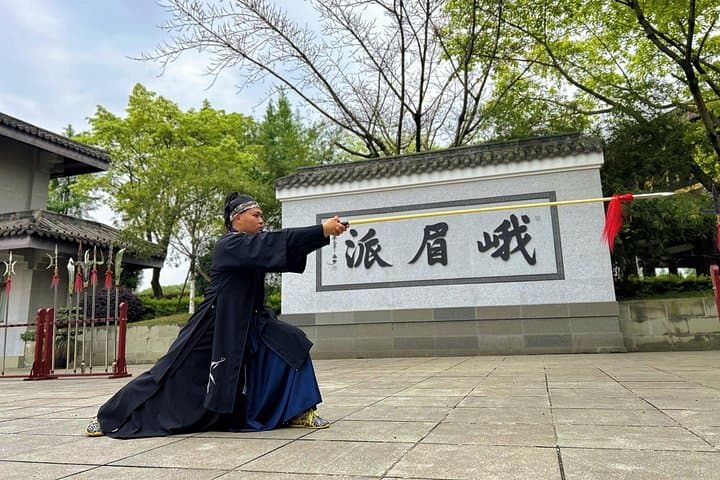
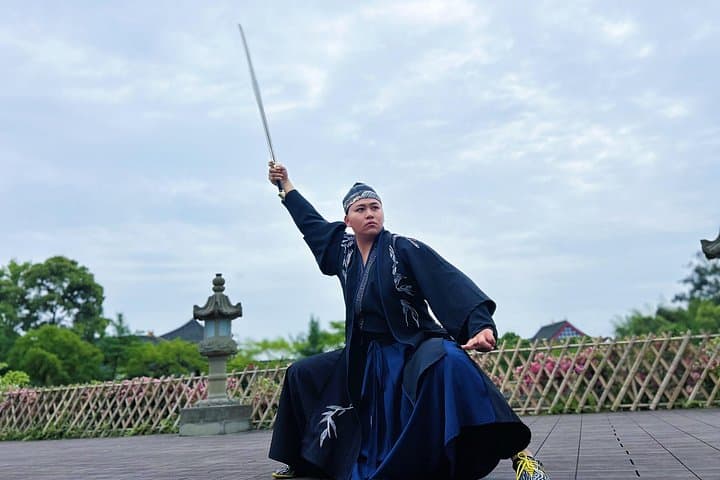
Emei martial arts trace more than 800 years of practice tied to Mount Emei — one of China’s sacred mountains — and to a local culture that blends physical discipline with Confucian and Buddhist ideas of respect and balance. You’ll split the day between an introductory museum tour that frames the lineage and a hands-on training session: warm-ups, stance work, basic hand techniques, and simple traditional-weapon drills. Instructors emphasize etiquette as much as motion — bows, mutual care, and clear verbal cues.
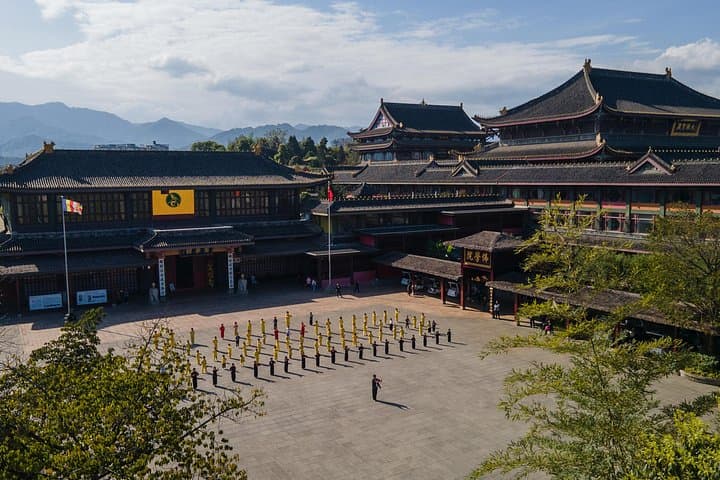
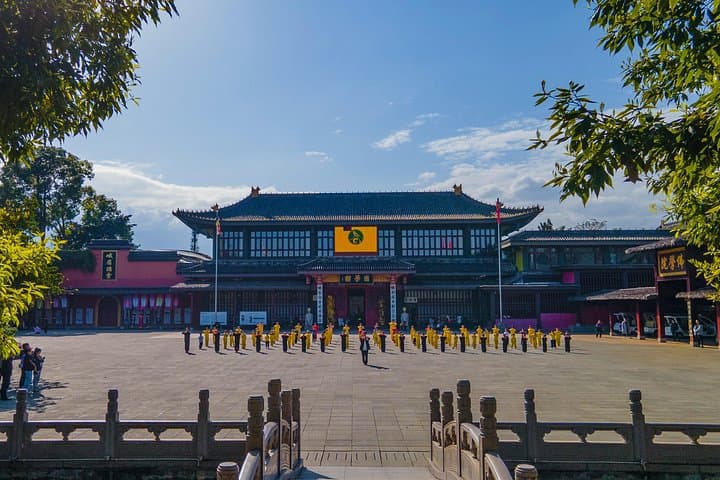
Terrain is flat village streets and a polished training hall; expect short walks through Ming–Qing–era lanes if the itinerary includes the local hidden village. The rhythm is steady: focused repetition, short rests, and a chance to sample country snacks and bottled water included in the program.
Practical notes: wear flexible, breathable clothing and supportive shoes, hydrate before and during the day, and allow 6–7 hours including transfers to/from Leshan High-Speed Railway Station. This is suitable for most fitness levels but not recommended for guests with serious back, heart, or pregnancy restrictions. Bring a small camera for certificate photos and an open mind — the work is literal training and cultural exchange, not theatrical choreography.
Sessions focus on fundamentals and etiquette; expect moderate standing and repeated drills suitable for most active travelers but not for those with serious medical limits.
No — the program is designed for beginners and covers warm-ups, basic techniques, and simple weapon practice.
Pickup and drop-off are arranged at Leshan High-Speed Railway Station; guests planning to continue to Mount Emei can remain after the program.
Bottled water and light snacks are included; plan for a full meal before or after the session if needed.
Hands-on China operates guided outdoor trips and adventures with an emphasis on safety, stewardship, and memorable experiences.
Morning light slices through tiled roofs in a small Leshan town as you step from a private van and into a courtyard where a master awaits. The air smells of wood smoke and hot tea; footsteps echo on stone as the group gathers for a short ceremony that opens a day of practice, history, and local discovery.
Morning light slices through tiled roofs in a small Leshan town as you step from a private van and into a courtyard where a master awaits. The air smells of wood smoke and hot tea; footsteps echo on stone as the group gathers for a short ceremony that opens a day of practice, history, and local discovery.
Emei martial arts trace more than 800 years of practice tied to Mount Emei — one of China’s sacred mountains — and to a local culture that blends physical discipline with Confucian and Buddhist ideas of respect and balance. You’ll split the day between an introductory museum tour that frames the lineage and a hands-on training session: warm-ups, stance work, basic hand techniques, and simple traditional-weapon drills. Instructors emphasize etiquette as much as motion — bows, mutual care, and clear verbal cues.
Terrain is flat village streets and a polished training hall; expect short walks through Ming–Qing–era lanes if the itinerary includes the local hidden village. The rhythm is steady: focused repetition, short rests, and a chance to sample country snacks and bottled water included in the program.
Practical notes: wear flexible, breathable clothing and supportive shoes, hydrate before and during the day, and allow 6–7 hours including transfers to/from Leshan High-Speed Railway Station. This is suitable for most fitness levels but not recommended for guests with serious back, heart, or pregnancy restrictions. Bring a small camera for certificate photos and an open mind — the work is literal training and cultural exchange, not theatrical choreography.