THE ADVENTURE COLLECTIVE® · Independent discovery and booking for outdoor travel
Catch an early express train from Dar es Salaam and spend a full day in Mikumi National Park—game drives, picnic lunch, and a return evening ride by rail. Expect close vehicle-based wildlife viewing across broad savanna and seasonal floodplains.
Catch an early express train from Dar es Salaam and spend a full day in Mikumi National Park—game drives, picnic lunch, and a return evening ride by rail. Expect close vehicle-based wildlife viewing across broad savanna and seasonal floodplains.
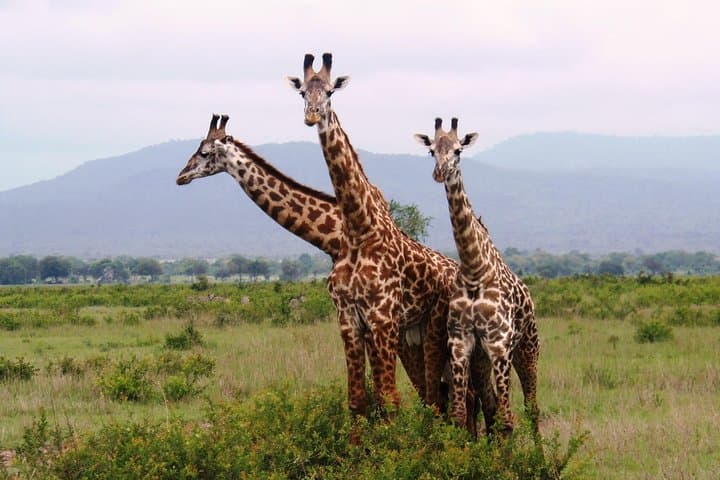
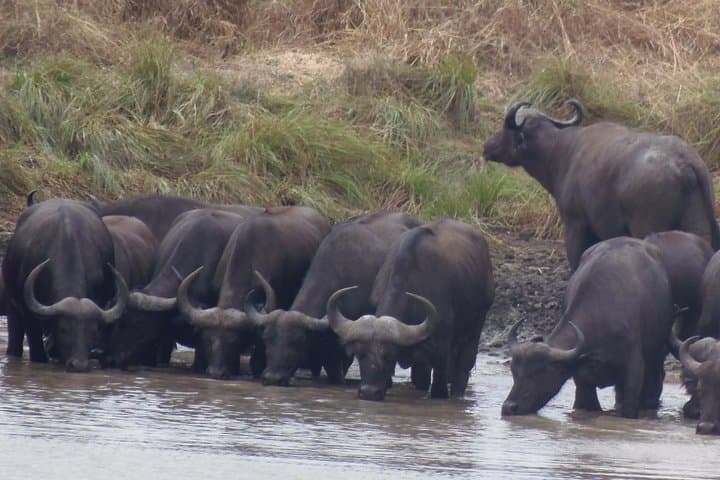
The morning train pulls out of Dar es Salaam while the low coastal light still clings to the bay. You’ll watch suburbs slide into farmland, then scrub, and finally the wide, sunlit plains that announce Mikumi National Park. By mid-morning the vehicle turns off the tarmac and the patrol tracks become your classroom for wildlife—zebra stepping through short grass, giraffe necks angling toward acacia, and the occasional dense shadow of a buffalo herd.
Verified experiences and guided adventures in the surrounding area.
Operated by Watu Safaris (T) Ltd · Mikumi, Morogoro Region
The morning train pulls out of Dar es Salaam while the low coastal light still clings to the bay. You’ll watch suburbs slide into farmland, then scrub, and finally the wide, sunlit plains that announce Mikumi National Park. By mid-morning the vehicle turns off the tarmac and the patrol tracks become your classroom for wildlife—zebra stepping through short grass, giraffe necks angling toward acacia, and the occasional dense shadow of a buffalo herd.
Mikumi sits on the southern edge of the Eastern Arc and the northern end of the Selous ecosystem, a park with a history tied to Tanzania’s early conservation era. Geologically the park is a mosaic of low rolling hills, seasonal floodplains and acacia-dotted savanna that concentrates game around water in the dry season. Local culture is visible in market towns like Morogoro—traders, roadside chai stalls and the railway’s old stations mark the route between coast and interior.
Practically, this is a long but accessible day: an early 06:00 train to Morogoro, a drive into the park for game drives, lunch inside the reserve, then a return to catch the evening train. Expect dusty roads, multiple short drives, and plenty of vehicle-based viewing rather than walking safaris. Bring binoculars, sun protection, and a camera with a long lens. If you’re aiming for the best visibility of predators and concentrated herds, schedule travel in the dry months and keep a flexible eye on train times—arriving by rail adds character and cuts the stress of road transfers.
Expect 12–16 hours door-to-door: early morning train from Dar, game drives in Mikumi, and return by evening train to Dar es Salaam.
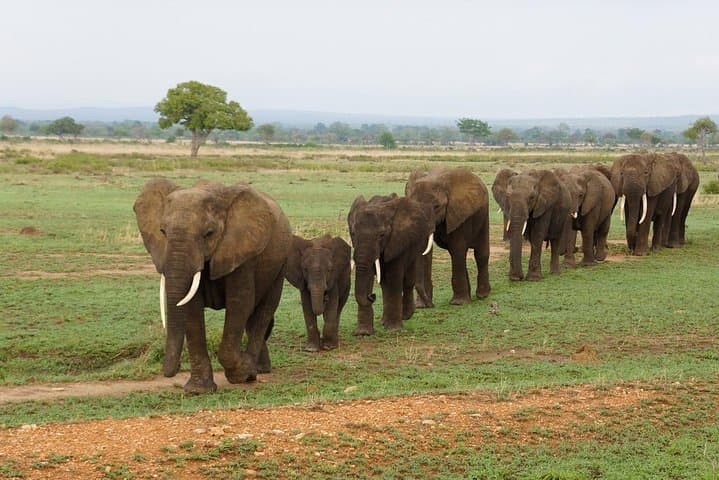
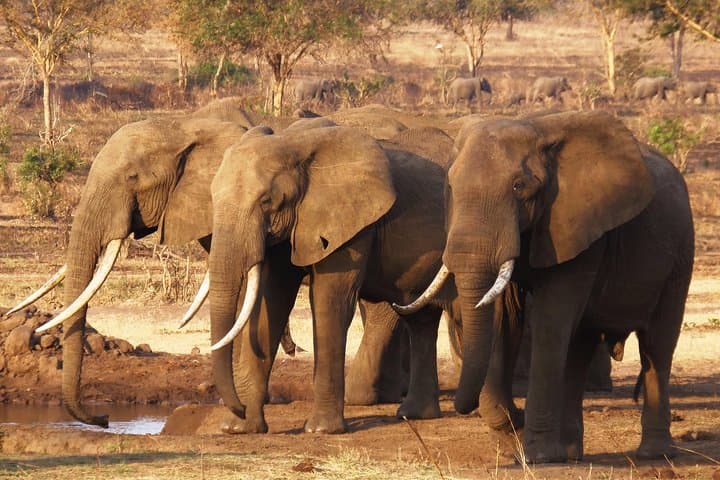
Common sightings include zebras, giraffes, impala, wildebeest, buffalo, warthogs, elephants and many bird species; lions and hippos are possible but not guaranteed.
The itinerary uses the morning and evening express trains; tickets are included in the tour logistics, though trains can run to schedule—bookings confirm seat availability.
Yes, children may join but must be accompanied by an adult; check age-specific arrangements for meals and seating at booking.
Watu Safaris (T) Ltd operates guided outdoor trips and adventures with an emphasis on safety, stewardship, and memorable experiences.
The morning train pulls out of Dar es Salaam while the low coastal light still clings to the bay. You’ll watch suburbs slide into farmland, then scrub, and finally the wide, sunlit plains that announce Mikumi National Park. By mid-morning the vehicle turns off the tarmac and the patrol tracks become your classroom for wildlife—zebra stepping through short grass, giraffe necks angling toward acacia, and the occasional dense shadow of a buffalo herd.
The morning train pulls out of Dar es Salaam while the low coastal light still clings to the bay. You’ll watch suburbs slide into farmland, then scrub, and finally the wide, sunlit plains that announce Mikumi National Park. By mid-morning the vehicle turns off the tarmac and the patrol tracks become your classroom for wildlife—zebra stepping through short grass, giraffe necks angling toward acacia, and the occasional dense shadow of a buffalo herd.
Mikumi sits on the southern edge of the Eastern Arc and the northern end of the Selous ecosystem, a park with a history tied to Tanzania’s early conservation era. Geologically the park is a mosaic of low rolling hills, seasonal floodplains and acacia-dotted savanna that concentrates game around water in the dry season. Local culture is visible in market towns like Morogoro—traders, roadside chai stalls and the railway’s old stations mark the route between coast and interior.
Practically, this is a long but accessible day: an early 06:00 train to Morogoro, a drive into the park for game drives, lunch inside the reserve, then a return to catch the evening train. Expect dusty roads, multiple short drives, and plenty of vehicle-based viewing rather than walking safaris. Bring binoculars, sun protection, and a camera with a long lens. If you’re aiming for the best visibility of predators and concentrated herds, schedule travel in the dry months and keep a flexible eye on train times—arriving by rail adds character and cuts the stress of road transfers.
