THE ADVENTURE COLLECTIVE® · Independent discovery and booking for outdoor travel

Spend 90 minutes training under Shotokan champions in Tokyo. Learn kihon, kata, and try supervised board‑breaking at the SKIF headquarters—an efficient, authentic introduction to traditional Japanese karate.
Spend 90 minutes training under Shotokan champions in Tokyo. Learn kihon, kata, and try supervised board‑breaking at the SKIF headquarters—an efficient, authentic introduction to traditional Japanese karate.
You step into a brightly lit dojo where the hardwood floor still holds the echo of thousands of practiced steps. The sunlight through high windows outlines rows of tatami and a single line of instructors whose posture feels both spare and precise; the air smells faintly of sweat and liniment. In this 90‑minute session at the Shotokan Karate‑do International Federation in Tokyo, participants move through history as much as technique.
Verified experiences and guided adventures in the surrounding area.
Operated by MY Travel Consulting · Tokyo, Tokyo
You step into a brightly lit dojo where the hardwood floor still holds the echo of thousands of practiced steps. The sunlight through high windows outlines rows of tatami and a single line of instructors whose posture feels both spare and precise; the air smells faintly of sweat and liniment. In this 90‑minute session at the Shotokan Karate‑do International Federation in Tokyo, participants move through history as much as technique.
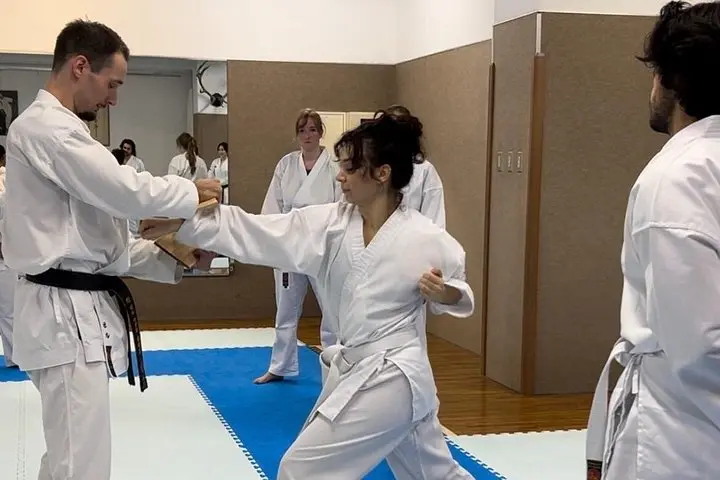
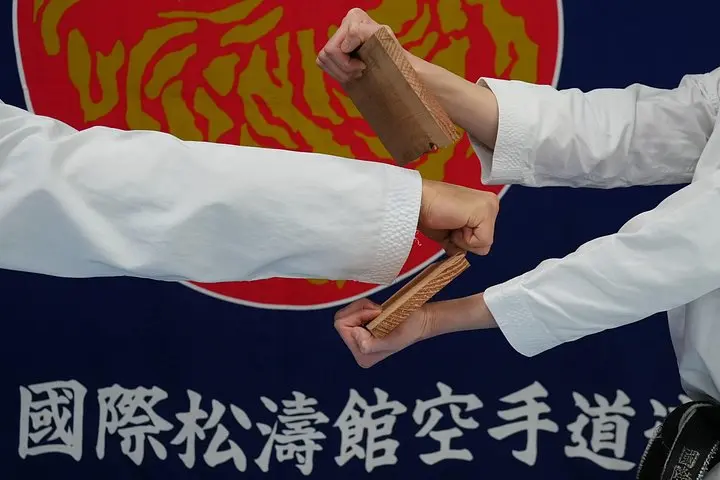
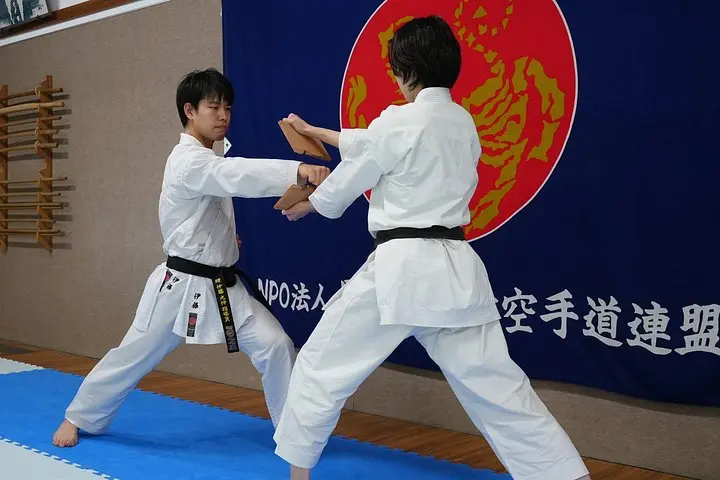
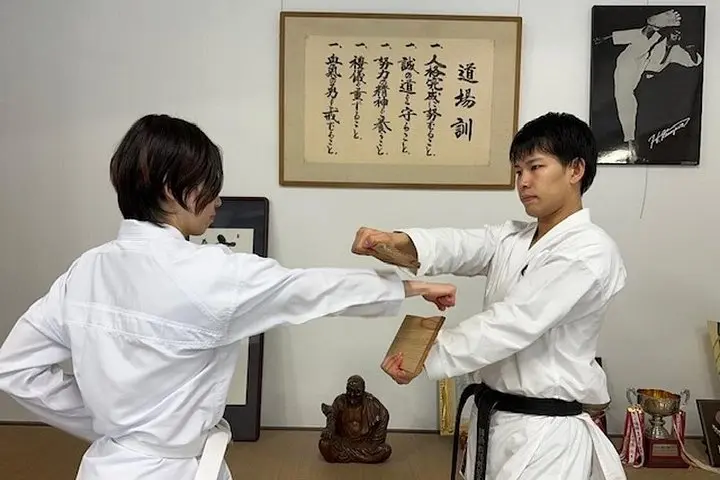
The class opens with a short lecture on Shotokan’s origins — Gichin Funakoshi’s early 20th‑century teachings and the postwar spread that shaped modern karate. Instruction blends basic kihon (strikes and kicks), kata (formalized patterns), and controlled kumite drills, led by instructors with national and world titles. For many, the highlight is an introduction to tameshiwari (board breaking) under supervised conditions.
Culturally, the experience emphasizes rei (respect) and the dojo’s etiquette: bowing, line formation, and a clear warm‑up protocol. Practical guidance follows naturally — arrive ten minutes early, wear athletic clothing or request a rental gi, and disclose injuries so instructors can tailor drills. Expect hands‑on correction, demonstration by champions, and a final photo exchange.
This is suitable for beginners and experienced karateka alike; instructors can adjust intensity if you note your background in advance. Whether visiting as a cultural immersion or a focused training day, the session delivers an efficient, authentic taste of Japanese karate grounded in strong technical coaching.
No — the session is structured for beginners and experienced practitioners; note your background when booking for tailored instruction.
Children aged 7 and older may join; under 7 cannot participate but may be taken to the dojo as observers.
Board breaking is supervised, technique‑based, and optional; instructors will assess ability and provide protective guidance.
Instruction is usually in Japanese with English interpretation common at international sessions; inform the operator if you require more English support.
MY Travel Consulting operates guided outdoor trips and adventures with an emphasis on safety, stewardship, and memorable experiences.
You step into a brightly lit dojo where the hardwood floor still holds the echo of thousands of practiced steps. The sunlight through high windows outlines rows of tatami and a single line of instructors whose posture feels both spare and precise; the air smells faintly of sweat and liniment. In this 90‑minute session at the Shotokan Karate‑do International Federation in Tokyo, participants move through history as much as technique.
You step into a brightly lit dojo where the hardwood floor still holds the echo of thousands of practiced steps. The sunlight through high windows outlines rows of tatami and a single line of instructors whose posture feels both spare and precise; the air smells faintly of sweat and liniment. In this 90‑minute session at the Shotokan Karate‑do International Federation in Tokyo, participants move through history as much as technique.
The class opens with a short lecture on Shotokan’s origins — Gichin Funakoshi’s early 20th‑century teachings and the postwar spread that shaped modern karate. Instruction blends basic kihon (strikes and kicks), kata (formalized patterns), and controlled kumite drills, led by instructors with national and world titles. For many, the highlight is an introduction to tameshiwari (board breaking) under supervised conditions.
Culturally, the experience emphasizes rei (respect) and the dojo’s etiquette: bowing, line formation, and a clear warm‑up protocol. Practical guidance follows naturally — arrive ten minutes early, wear athletic clothing or request a rental gi, and disclose injuries so instructors can tailor drills. Expect hands‑on correction, demonstration by champions, and a final photo exchange.
This is suitable for beginners and experienced karateka alike; instructors can adjust intensity if you note your background in advance. Whether visiting as a cultural immersion or a focused training day, the session delivers an efficient, authentic taste of Japanese karate grounded in strong technical coaching.