THE ADVENTURE COLLECTIVE® · Independent discovery and booking for outdoor travel

Ride a tram through cathedral-like limestone chambers and wander a multi-layered tropical gully on a half-day tour that pairs Harrison's Cave with Hunte's Gardens. Expect easy walking, humid microclimates, and abundant geological and botanical interest.
Ride a tram through cathedral-like limestone chambers and wander a multi-layered tropical gully on a half-day tour that pairs Harrison's Cave with Hunte's Gardens. Expect easy walking, humid microclimates, and abundant geological and botanical interest.
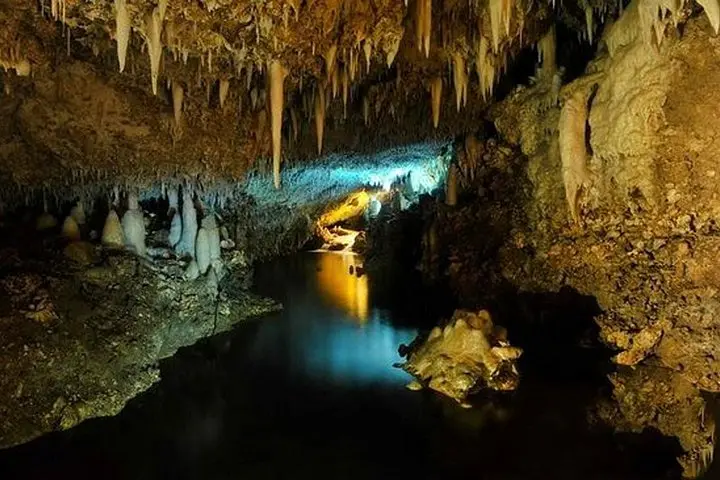
You step off the air-conditioned vehicle into a hush of limestone and humid green — the interior of Barbados feels different from the sugarcane coast. At Harrison's Cave the light recedes and the tram hums forward, taking you past mirrored pools and scalloped rock fins where underground streams have carved chambers over hundreds of thousands of years. The cave’s drip lines and calcite ribbons lean in like old storytellers, patient and slow.
Verified experiences and guided adventures in the surrounding area.
Operated by J.C.Williams Tours Limited · Bridgetown, Saint Thomas
You step off the air-conditioned vehicle into a hush of limestone and humid green — the interior of Barbados feels different from the sugarcane coast. At Harrison's Cave the light recedes and the tram hums forward, taking you past mirrored pools and scalloped rock fins where underground streams have carved chambers over hundreds of thousands of years. The cave’s drip lines and calcite ribbons lean in like old storytellers, patient and slow.
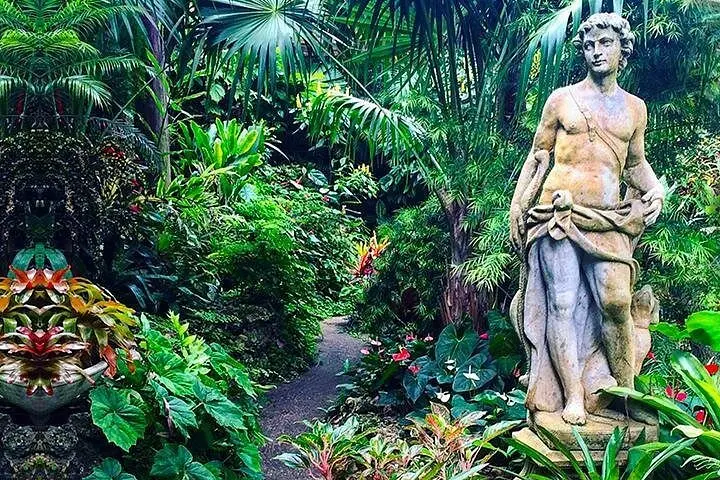
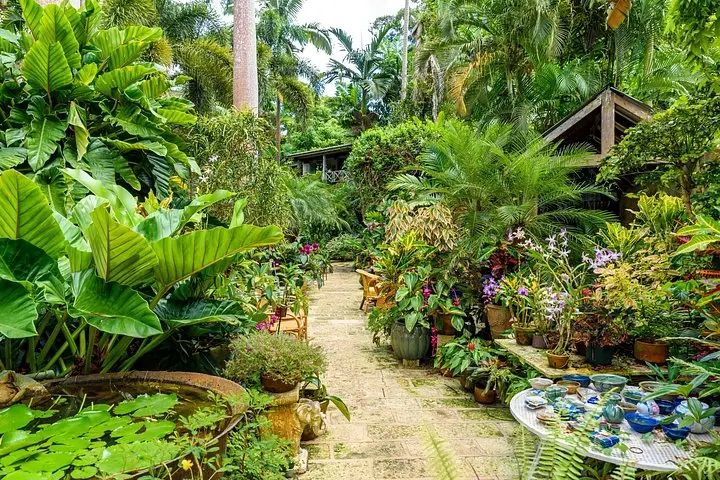
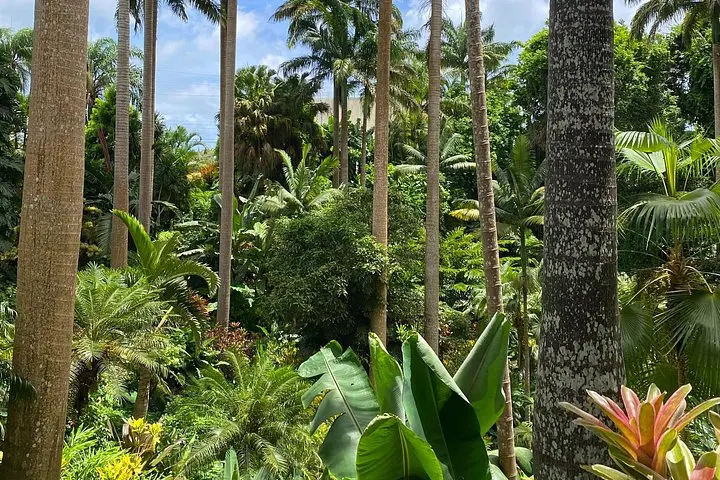
Above ground, Hunte’s Gardens sits in a collapsed gully in St. Joseph, a living theatre of layered tropical plants begun by Anthony Hunte. Paths wind through sunlit pockets and shadowed crevices; orchids cling to rock faces while heliconias and palms push up from the earth. The gully’s microclimate supports plants not commonly seen on the exposed coast and reveals a quieter side of Barbadian nature and horticultural craft.
Both sites reflect the island’s coral-limestone geology and colonial-era land use: caves formed when sea levels and rainfall patterns shifted, and gullies that once guided freshwater runoff now host gardens. Cultural notes surface in small ways — tastes of local rum at the tour vehicle, and guides who weave plantation and botanical history into the route.
Practical advice: bring closed-toe shoes for slippery cave steps, a light rain layer for the gully’s microclimate, and a refillable water bottle. The full excursion runs about five hours with hotel or cruise-port pickup; expect a mix of seated transport and short walking segments. Mornings offer cooler cave visits and softer light in the garden; afternoons can be humid. This is accessible, interpretive, and rich with geological and botanical detail — ideal for travelers who like their nature with context and comfort.
Yes — admission to Harrison's Cave and Hunte's Gardens is included, along with hotel or cruise-port pickup and drop-off as specified in your booking.
The tram covers much of the cave route, but boarding may involve steps; contact the operator ahead to arrange assistance and confirm accessibility options.
Walking is light to moderate: short walks and stair sections in the cave and meandering paths in the garden; comfortable mobility is recommended.
Yes — infant seats are available and children are welcome, but supervise them around water features and uneven ground; confirm age policies when booking.
J.C.Williams Tours Limited operates guided outdoor trips and adventures with an emphasis on safety, stewardship, and memorable experiences.
You step off the air-conditioned vehicle into a hush of limestone and humid green — the interior of Barbados feels different from the sugarcane coast. At Harrison's Cave the light recedes and the tram hums forward, taking you past mirrored pools and scalloped rock fins where underground streams have carved chambers over hundreds of thousands of years. The cave’s drip lines and calcite ribbons lean in like old storytellers, patient and slow.
You step off the air-conditioned vehicle into a hush of limestone and humid green — the interior of Barbados feels different from the sugarcane coast. At Harrison's Cave the light recedes and the tram hums forward, taking you past mirrored pools and scalloped rock fins where underground streams have carved chambers over hundreds of thousands of years. The cave’s drip lines and calcite ribbons lean in like old storytellers, patient and slow.
Above ground, Hunte’s Gardens sits in a collapsed gully in St. Joseph, a living theatre of layered tropical plants begun by Anthony Hunte. Paths wind through sunlit pockets and shadowed crevices; orchids cling to rock faces while heliconias and palms push up from the earth. The gully’s microclimate supports plants not commonly seen on the exposed coast and reveals a quieter side of Barbadian nature and horticultural craft.
Both sites reflect the island’s coral-limestone geology and colonial-era land use: caves formed when sea levels and rainfall patterns shifted, and gullies that once guided freshwater runoff now host gardens. Cultural notes surface in small ways — tastes of local rum at the tour vehicle, and guides who weave plantation and botanical history into the route.
Practical advice: bring closed-toe shoes for slippery cave steps, a light rain layer for the gully’s microclimate, and a refillable water bottle. The full excursion runs about five hours with hotel or cruise-port pickup; expect a mix of seated transport and short walking segments. Mornings offer cooler cave visits and softer light in the garden; afternoons can be humid. This is accessible, interpretive, and rich with geological and botanical detail — ideal for travelers who like their nature with context and comfort.