THE ADVENTURE COLLECTIVE® · Independent discovery and booking for outdoor travel

A seven-day Trans‑Alay trek from Tulpar‑Kol through Sary‑Mogol and Jiptik passes, offering high alpine lakes, two 4,000+m passes and nights in yurts and guesthouses. Plan for altitude, rocky terrain, and long panoramic ascents.
A seven-day Trans‑Alay trek from Tulpar‑Kol through Sary‑Mogol and Jiptik passes, offering high alpine lakes, two 4,000+m passes and nights in yurts and guesthouses. Plan for altitude, rocky terrain, and long panoramic ascents.
Wind and light change fast in the Alay Valley; your first steps out of Osh feel like stepping into another climate. The trail starts at high alpine lakes around Tulpar-Kol, where yurts sit under a wide sky and the ridgelines of the Trans‑Alay push upward like a jagged rule. Early hikes climb through meadows and scree to panoramic passes where Lenin Peak and the Zaalaysky crests dominate the skyline.
Verified experiences and guided adventures in the surrounding area.
Operated by Alay Travel Guide · Sary‑Mogol, Osh Region
Wind and light change fast in the Alay Valley; your first steps out of Osh feel like stepping into another climate. The trail starts at high alpine lakes around Tulpar-Kol, where yurts sit under a wide sky and the ridgelines of the Trans‑Alay push upward like a jagged rule. Early hikes climb through meadows and scree to panoramic passes where Lenin Peak and the Zaalaysky crests dominate the skyline.
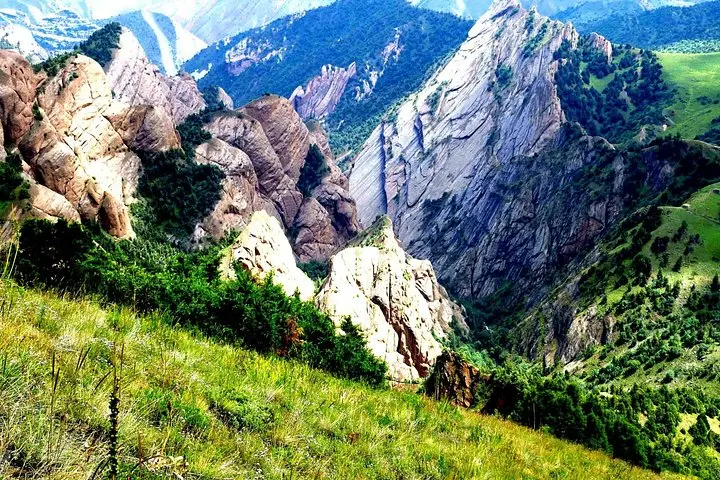
Geologically the route runs along folded, Cretaceous and Tertiary formations—limestone and shale that have been carved by glacial and fluvial action into steep canyons and plateaus. The culture you pass through is pastoral Kyrgyz: yurt camps, shepherds’ summer pastures (jailoo), and small villages that still follow seasonal rhythms of herding and hospitality.
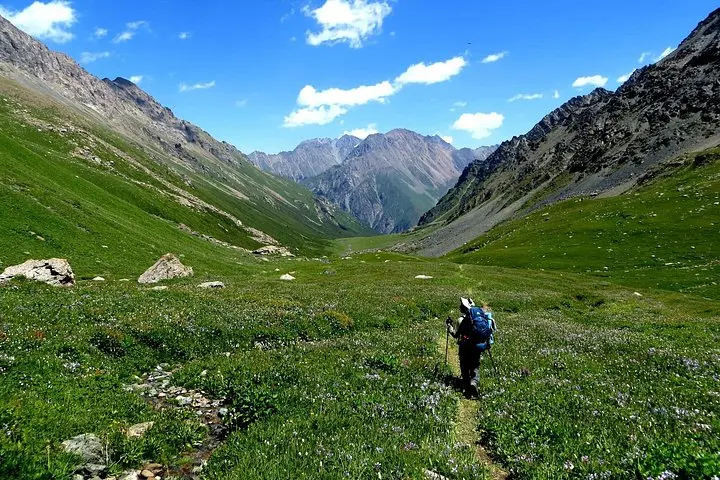
Expect seven days of trekking with daily walking typically 5–6 hours, two major passes (Sary‑Mogol ~4,280 m and Jiptik ~4,185 m), and multiple yurt stays and a few guesthouse nights. Trails alternate between compacted animal/foot paths, grassy meadows, rocky scrambles and short river crossings; weather can swing from sun to wind and snow in a day. Nature here dares you forward—rivers push, ridgelines challenge, and the air thins quickly.
Practical guidance: build at least moderate fitness and allow two days of acclimatization at Tulpar‑Kol. Pack layered clothing, a warm sleeping liner, sun protection, and a reliable water-treatment method. Start early on pass days to avoid afternoon storms, stay hydrated, and rely on local guides for route-finding and cultural translation. This is high‑altitude trekking in a remote landscape—rewarding, demanding, and unmistakably raw.
Previous multi‑day trekking experience is strongly recommended; the itinerary crosses two 4,000+m passes where altitude symptoms can occur.
A mix of traditional yurt camps and basic guesthouses with meals included; some yurts are shared-bed on carpets with simple toilets and solar showers.
Parts of the route are remote with no electricity or signal; Tulpar‑Kol and some guesthouses offer limited mobile coverage and solar charging but expect gaps.
Late June through September is the standard season when high passes are most accessible and snow risk is lower.
Alay Travel Guide operates guided outdoor trips and adventures with an emphasis on safety, stewardship, and memorable experiences.
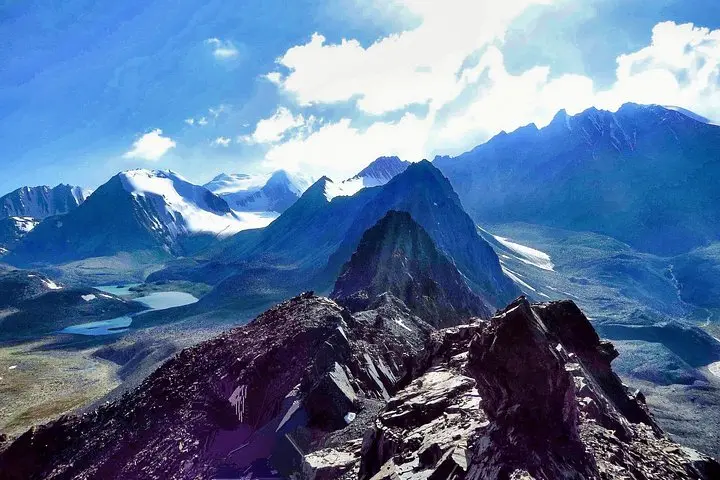
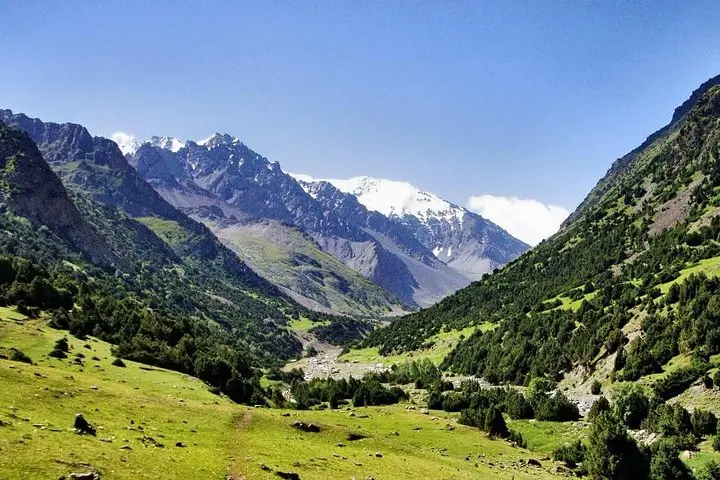
Wind and light change fast in the Alay Valley; your first steps out of Osh feel like stepping into another climate. The trail starts at high alpine lakes around Tulpar-Kol, where yurts sit under a wide sky and the ridgelines of the Trans‑Alay push upward like a jagged rule. Early hikes climb through meadows and scree to panoramic passes where Lenin Peak and the Zaalaysky crests dominate the skyline.
Wind and light change fast in the Alay Valley; your first steps out of Osh feel like stepping into another climate. The trail starts at high alpine lakes around Tulpar-Kol, where yurts sit under a wide sky and the ridgelines of the Trans‑Alay push upward like a jagged rule. Early hikes climb through meadows and scree to panoramic passes where Lenin Peak and the Zaalaysky crests dominate the skyline.
Geologically the route runs along folded, Cretaceous and Tertiary formations—limestone and shale that have been carved by glacial and fluvial action into steep canyons and plateaus. The culture you pass through is pastoral Kyrgyz: yurt camps, shepherds’ summer pastures (jailoo), and small villages that still follow seasonal rhythms of herding and hospitality.
Expect seven days of trekking with daily walking typically 5–6 hours, two major passes (Sary‑Mogol ~4,280 m and Jiptik ~4,185 m), and multiple yurt stays and a few guesthouse nights. Trails alternate between compacted animal/foot paths, grassy meadows, rocky scrambles and short river crossings; weather can swing from sun to wind and snow in a day. Nature here dares you forward—rivers push, ridgelines challenge, and the air thins quickly.
Practical guidance: build at least moderate fitness and allow two days of acclimatization at Tulpar‑Kol. Pack layered clothing, a warm sleeping liner, sun protection, and a reliable water-treatment method. Start early on pass days to avoid afternoon storms, stay hydrated, and rely on local guides for route-finding and cultural translation. This is high‑altitude trekking in a remote landscape—rewarding, demanding, and unmistakably raw.