THE ADVENTURE COLLECTIVE® · Independent discovery and booking for outdoor travel

Drive the classic Trans-Himalayan route from Chandigarh into Spiti over seven days, visiting Kalpa, Nako, Tabo, Dhankar and Kaza. Expect high-altitude villages, ancient monasteries, and long driving days with dramatic geological scenery.
Drive the classic Trans-Himalayan route from Chandigarh into Spiti over seven days, visiting Kalpa, Nako, Tabo, Dhankar and Kaza. Expect high-altitude villages, ancient monasteries, and long driving days with dramatic geological scenery.
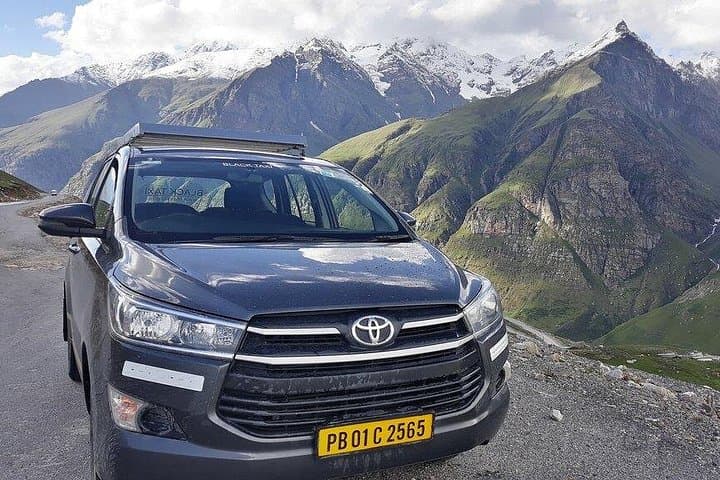
The engine hums as the road narrows and the landscape opens into a cold, sun-bleached plain—Spiti daring you to look farther. Over seven days you move from Chandigarh’s green foothills to wind-scoured villages at 4,000+ metres, trading orchards and pines for stony riverbeds, prayer flags, and monasteries clinging to cliffs.
Verified experiences and guided adventures in the surrounding area.
Operated by Black Taxi India · Kaza, Himachal Pradesh
The engine hums as the road narrows and the landscape opens into a cold, sun-bleached plain—Spiti daring you to look farther. Over seven days you move from Chandigarh’s green foothills to wind-scoured villages at 4,000+ metres, trading orchards and pines for stony riverbeds, prayer flags, and monasteries clinging to cliffs.
This route traces old salt and trade corridors across Kinnaur and Spiti. Geologically, you’re driving through young Himalaya ranges where uplifted sedimentary rock creates steep gorges and broad, high-altitude basins—the result of ongoing collision between the Indian and Eurasian plates. Culturally the valley is Tibetan-influenced: Tabo’s thousand-year-old gompa and Key Monastery hold frescoes and scriptures that explain local life and belief.
Expect long driving days—174 km to Narkanda, then on to Kalpa (2,960 m), Nako (3,662 m), Tabo (3,200 m), Dhankar (3,894 m), and Kaza (3,800 m). Key Monastery (4,116 m), Kibber (4,140 m), Komic and Hikkim present rare high-altitude village life and the world’s highest post office.
Practical guidance: acclimatize, carry layers for sub-zero nights, and plan fuel and cash stops—cards aren’t always accepted. Roads range from paved to rough gravel; expect single-lane Himalayan driving and occasional landslide detours. Hydrate, move slowly on steep sections, and allow extra time for stops and permits. Local guesthouses provide hot meals; bring a compact daypack for short walks and sunscreen for the thin air. With patient pacing, this itinerary becomes less a race and more a steady climb into high-country rhythms.
Inner-line permits are sometimes required depending on route and current regulations; your operator typically arranges check-post paperwork like the Sumdo check post on the way to Tabo.
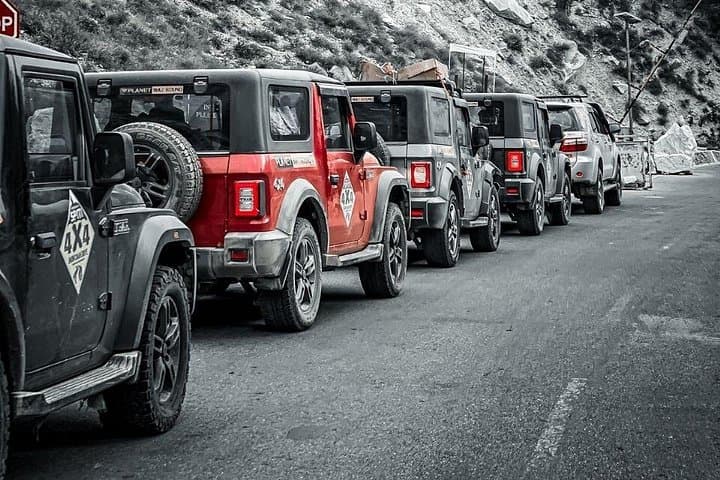
Expect a mix of paved and rough mountain roads; reliable high-clearance vehicles and experienced local drivers are recommended for safety and comfort.
The itinerary climbs above 3,000 m quickly; mild AMS is possible—hydrate, avoid alcohol, ascend gradually and speak to a doctor about medication if you have prior issues.
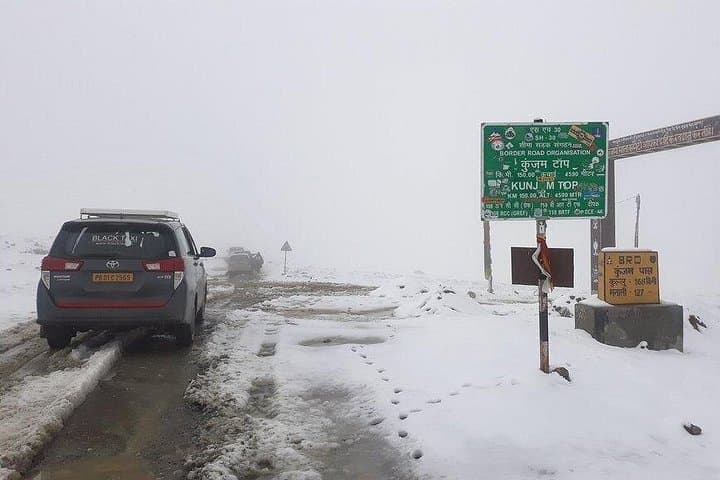
Late spring to early autumn (May–October) offers the most reliable road access; winters bring heavy snow and many roads close.
Black Taxi India operates guided outdoor trips and adventures with an emphasis on safety, stewardship, and memorable experiences.

The engine hums as the road narrows and the landscape opens into a cold, sun-bleached plain—Spiti daring you to look farther. Over seven days you move from Chandigarh’s green foothills to wind-scoured villages at 4,000+ metres, trading orchards and pines for stony riverbeds, prayer flags, and monasteries clinging to cliffs.
The engine hums as the road narrows and the landscape opens into a cold, sun-bleached plain—Spiti daring you to look farther. Over seven days you move from Chandigarh’s green foothills to wind-scoured villages at 4,000+ metres, trading orchards and pines for stony riverbeds, prayer flags, and monasteries clinging to cliffs.
This route traces old salt and trade corridors across Kinnaur and Spiti. Geologically, you’re driving through young Himalaya ranges where uplifted sedimentary rock creates steep gorges and broad, high-altitude basins—the result of ongoing collision between the Indian and Eurasian plates. Culturally the valley is Tibetan-influenced: Tabo’s thousand-year-old gompa and Key Monastery hold frescoes and scriptures that explain local life and belief.
Expect long driving days—174 km to Narkanda, then on to Kalpa (2,960 m), Nako (3,662 m), Tabo (3,200 m), Dhankar (3,894 m), and Kaza (3,800 m). Key Monastery (4,116 m), Kibber (4,140 m), Komic and Hikkim present rare high-altitude village life and the world’s highest post office.
Practical guidance: acclimatize, carry layers for sub-zero nights, and plan fuel and cash stops—cards aren’t always accepted. Roads range from paved to rough gravel; expect single-lane Himalayan driving and occasional landslide detours. Hydrate, move slowly on steep sections, and allow extra time for stops and permits. Local guesthouses provide hot meals; bring a compact daypack for short walks and sunscreen for the thin air. With patient pacing, this itinerary becomes less a race and more a steady climb into high-country rhythms.