THE ADVENTURE COLLECTIVE® · Independent discovery and booking for outdoor travel

Drive the Transfăgărășan to Vidraru Dam, scan the tree line for brown bears, and visit an ancient rock-carved monastery and the cliffs below Poenari Fortress. This full-day guided safari mixes wildlife watching, dramatic road scenery, and local history.
Drive the Transfăgărășan to Vidraru Dam, scan the tree line for brown bears, and visit an ancient rock-carved monastery and the cliffs below Poenari Fortress. This full-day guided safari mixes wildlife watching, dramatic road scenery, and local history.
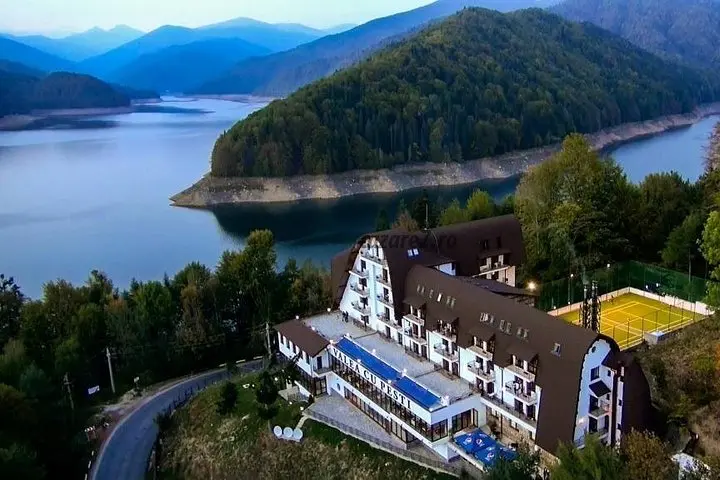
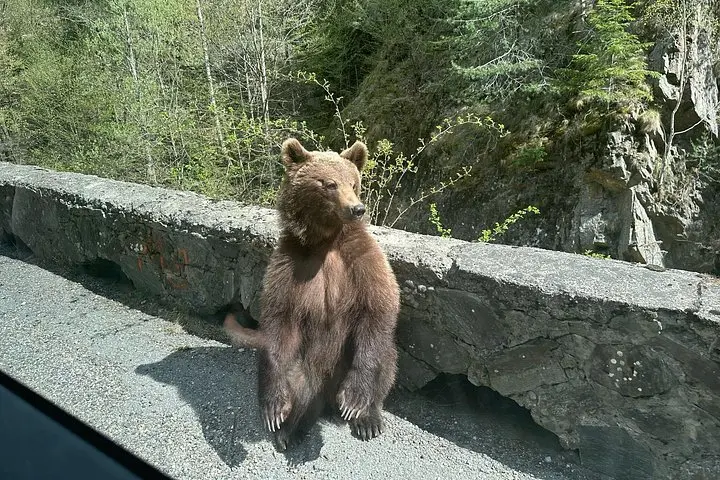
You crest a hairpin and the world opens: a corrugated spine of mountains, a lake like spilled mercury, and the road—Transfăgărășan—threading along ridges with a purposeful swagger. The vehicle hums as guides scan tree lines; ravens wheel and, if you’re lucky, a brown bear lumbers into view, briefly the king of this carved landscape.
Verified experiences and guided adventures in the surrounding area.
Operated by ETTA Mundo · Arefu, Argeș County
You crest a hairpin and the world opens: a corrugated spine of mountains, a lake like spilled mercury, and the road—Transfăgărășan—threading along ridges with a purposeful swagger. The vehicle hums as guides scan tree lines; ravens wheel and, if you’re lucky, a brown bear lumbers into view, briefly the king of this carved landscape.
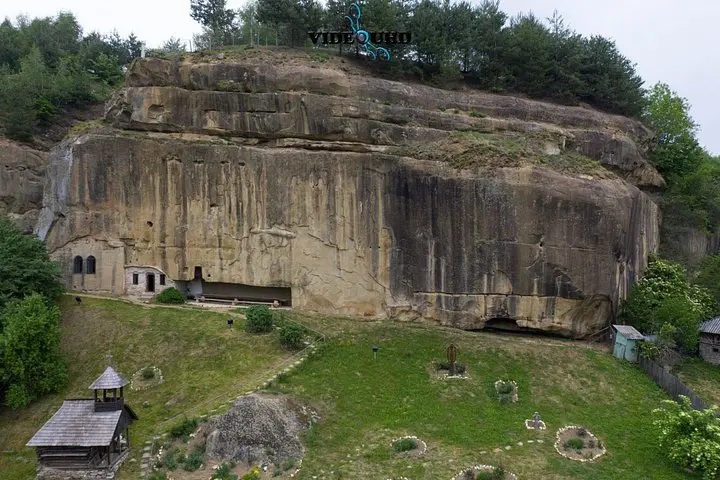
This route stitches modern engineering and deep history. Vidraru Dam, completed in the 1960s, anchors a reservoir fed by Făgăraș runoff; the surrounding peaks are part of the Southern Carpathians, sculpted by glaciation and steep, erosion-cut valleys. Nearby cave monasteries date to post-Dacian Christian communities who carved chapels into limestone faces—places that read like footnotes of regional faith and frontier defense. Poenari Fortress sits on a cliff above the Argeș valley, tied in legend to Vlad Țepeș; you see its profile from below rather than climb its steep stairs.
Practically: expect a long day (about 9–11 hours) with multiple short stops—wildlife viewing is opportunistic, not guaranteed. Bring layered clothing for wind and sun, binoculars for distant bears, and a camera with a good zoom. Respect wildlife by staying in the vehicle and following your guide’s instructions; mornings and late afternoons increase bear sighting odds. Restrooms and food stops are available at Vidraru and roadside lodges, but cell service is intermittent. The road’s dramatic curves mean motion-sensitive travelers should plan accordingly. This tour is equal parts natural spectacle, engineering story, and slice of Romanian history—ideal for people who want wild views with practical comforts of a guided day trip.
Sightings are opportunistic—guides know hotspots and scan frequently, so many groups see bears, but sightings can’t be guaranteed.
Yes; the tour is rated easy with minimal walking. It’s not recommended for those with serious heart problems due to long travel and mountain roads.
The tour includes bottled water and private transport; restaurant meals, personal purchases, and some admissions may be extra—confirm at booking.
Yes; snow or heavy weather can close sections seasonally—operators monitor conditions and may adjust the itinerary.
ETTA Mundo operates guided outdoor trips and adventures with an emphasis on safety, stewardship, and memorable experiences.

You crest a hairpin and the world opens: a corrugated spine of mountains, a lake like spilled mercury, and the road—Transfăgărășan—threading along ridges with a purposeful swagger. The vehicle hums as guides scan tree lines; ravens wheel and, if you’re lucky, a brown bear lumbers into view, briefly the king of this carved landscape.
You crest a hairpin and the world opens: a corrugated spine of mountains, a lake like spilled mercury, and the road—Transfăgărășan—threading along ridges with a purposeful swagger. The vehicle hums as guides scan tree lines; ravens wheel and, if you’re lucky, a brown bear lumbers into view, briefly the king of this carved landscape.
This route stitches modern engineering and deep history. Vidraru Dam, completed in the 1960s, anchors a reservoir fed by Făgăraș runoff; the surrounding peaks are part of the Southern Carpathians, sculpted by glaciation and steep, erosion-cut valleys. Nearby cave monasteries date to post-Dacian Christian communities who carved chapels into limestone faces—places that read like footnotes of regional faith and frontier defense. Poenari Fortress sits on a cliff above the Argeș valley, tied in legend to Vlad Țepeș; you see its profile from below rather than climb its steep stairs.
Practically: expect a long day (about 9–11 hours) with multiple short stops—wildlife viewing is opportunistic, not guaranteed. Bring layered clothing for wind and sun, binoculars for distant bears, and a camera with a good zoom. Respect wildlife by staying in the vehicle and following your guide’s instructions; mornings and late afternoons increase bear sighting odds. Restrooms and food stops are available at Vidraru and roadside lodges, but cell service is intermittent. The road’s dramatic curves mean motion-sensitive travelers should plan accordingly. This tour is equal parts natural spectacle, engineering story, and slice of Romanian history—ideal for people who want wild views with practical comforts of a guided day trip.