THE ADVENTURE COLLECTIVE® · Independent discovery and booking for outdoor travel

Climb the Transfagarasan by electric bike to Balea Lake and descend an adrenaline-filled alpine highway. This practical guide covers what to expect, historic context, and how to prepare for a high-altitude day ride.
Climb the Transfagarasan by electric bike to Balea Lake and descend an adrenaline-filled alpine highway. This practical guide covers what to expect, historic context, and how to prepare for a high-altitude day ride.
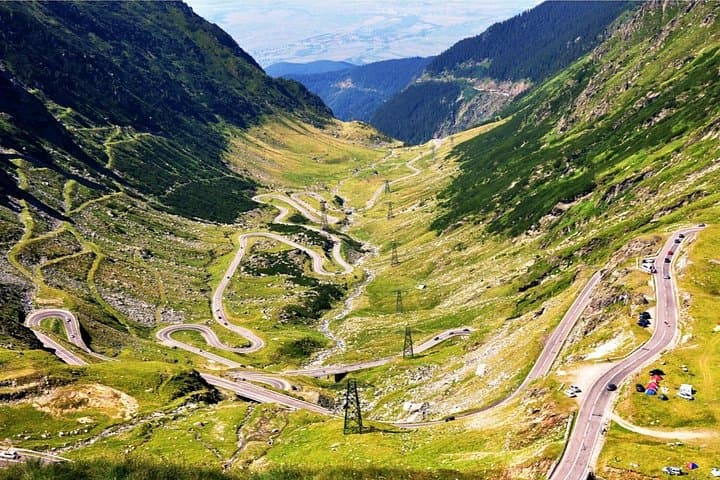
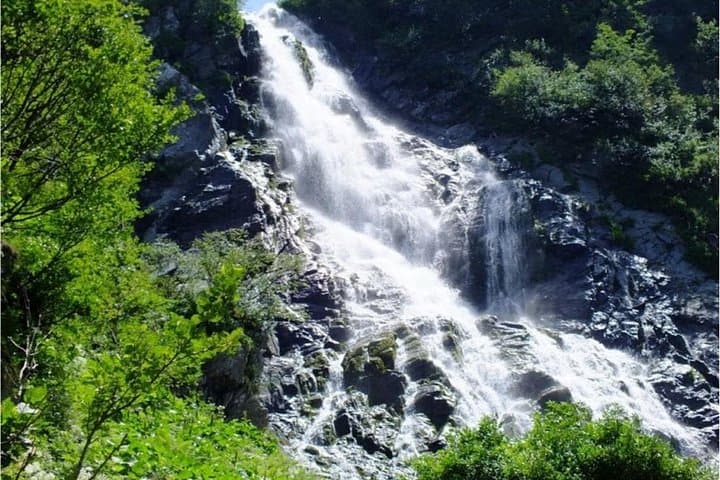
You push off from a small market at low altitude, the air still carrying the tang of fresh cheese and wood smoke, and the road immediately begins to climb. The Transfagarasan—hewn into the Făgăraș massif during Romania’s communist era—unfurls above you: hairpins cut into the mountainside, cliffs that seem to nudge the sky, and a waterfall that keeps daring riders to lean into the ascent.
Verified experiences and guided adventures in the surrounding area.
Operated by eBikeRide · Bâlea, Argeș County
You push off from a small market at low altitude, the air still carrying the tang of fresh cheese and wood smoke, and the road immediately begins to climb. The Transfagarasan—hewn into the Făgăraș massif during Romania’s communist era—unfurls above you: hairpins cut into the mountainside, cliffs that seem to nudge the sky, and a waterfall that keeps daring riders to lean into the ascent.
The highway itself is a modern artifact of mid-20th-century engineering, built to connect remote highland communities and military posts. Geologically, you are climbing an alpine spine carved from crystalline schist and granite; cirques and glacial hollows hold permanent snow into late spring. Culturally, the route threads pastoral hamlets and seasonal shepherding grounds—markets at the summit still sell mountain cheese, smoked meats and woven wares to passing travelers.
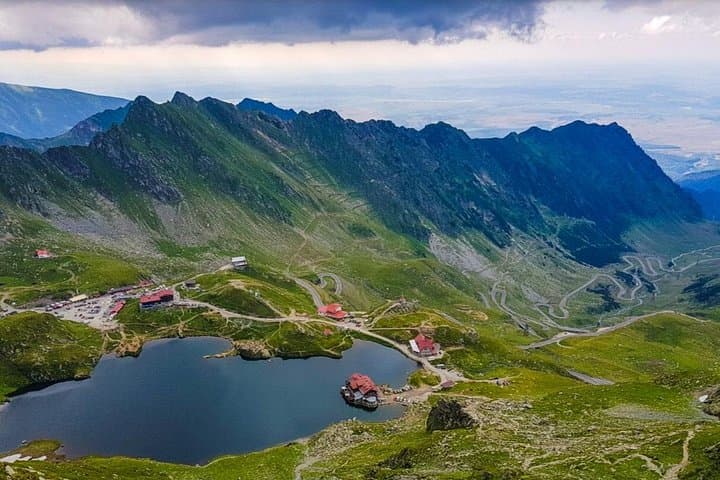
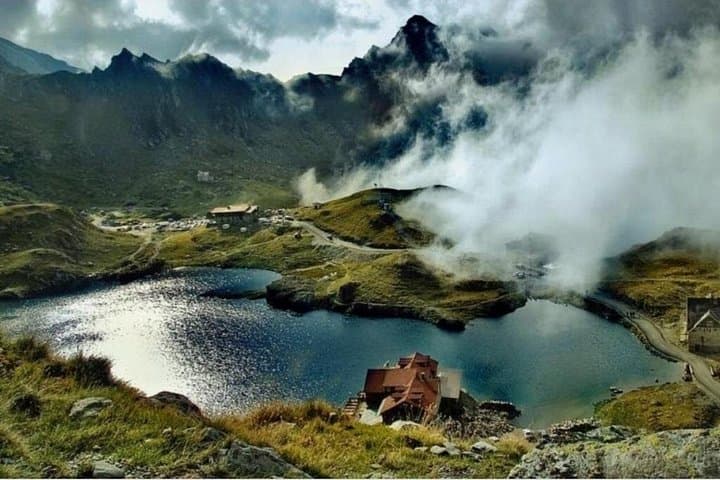
Arriving at Balea Lake (2034 m) feels earned: the glacier-formed tarn sits like a dark mirror, wind scolding at the surface while peaks keep watch. In winter this place is reachable only by cable car, but in summer and shoulder seasons the e-bike descent is an adrenaline-rich reward—long, fast sections punctuated by lookout stops.
Practical guidance: expect 5–6 hours including stops; battery management is critical—ride conservatively uphill to preserve assist for technical sections. Bring layered insulation and a waterproof shell; weather flips quickly above tree line. Wear sturdy, grippy shoes and be prepared for mixed traffic on the highway. Helmets and gloves are typically provided, but a personal lightweight windproof layer will make summit breaks far more comfortable.
With pedal-assist, the climb is achievable for riders with moderate fitness; expect sustained effort for 1,500 m of elevation gain spread over several kilometers.
Yes—e-bikes, helmets and gloves are normally included in guided tours, but confirm specifics when booking and bring your own for fit or comfort preferences.
No—during winter the mountain road is closed and access to Balea Lake is via cable car only; the e-bike tour runs in the thawed seasons.
Most operators require moderate fitness and may restrict pregnant riders or those with serious cardiovascular or spinal conditions; check the provider’s recommendations before booking.
eBikeRide operates guided outdoor trips and adventures with an emphasis on safety, stewardship, and memorable experiences.
You push off from a small market at low altitude, the air still carrying the tang of fresh cheese and wood smoke, and the road immediately begins to climb. The Transfagarasan—hewn into the Făgăraș massif during Romania’s communist era—unfurls above you: hairpins cut into the mountainside, cliffs that seem to nudge the sky, and a waterfall that keeps daring riders to lean into the ascent.
You push off from a small market at low altitude, the air still carrying the tang of fresh cheese and wood smoke, and the road immediately begins to climb. The Transfagarasan—hewn into the Făgăraș massif during Romania’s communist era—unfurls above you: hairpins cut into the mountainside, cliffs that seem to nudge the sky, and a waterfall that keeps daring riders to lean into the ascent.
The highway itself is a modern artifact of mid-20th-century engineering, built to connect remote highland communities and military posts. Geologically, you are climbing an alpine spine carved from crystalline schist and granite; cirques and glacial hollows hold permanent snow into late spring. Culturally, the route threads pastoral hamlets and seasonal shepherding grounds—markets at the summit still sell mountain cheese, smoked meats and woven wares to passing travelers.
Arriving at Balea Lake (2034 m) feels earned: the glacier-formed tarn sits like a dark mirror, wind scolding at the surface while peaks keep watch. In winter this place is reachable only by cable car, but in summer and shoulder seasons the e-bike descent is an adrenaline-rich reward—long, fast sections punctuated by lookout stops.
Practical guidance: expect 5–6 hours including stops; battery management is critical—ride conservatively uphill to preserve assist for technical sections. Bring layered insulation and a waterproof shell; weather flips quickly above tree line. Wear sturdy, grippy shoes and be prepared for mixed traffic on the highway. Helmets and gloves are typically provided, but a personal lightweight windproof layer will make summit breaks far more comfortable.