THE ADVENTURE COLLECTIVE® · Independent discovery and booking for outdoor travel

Drive one of Europe's most dramatic roads from Brașov to Balea Lake, stopping at the late-Gothic Carta Monastery and high-mountain viewpoints. This full-day tour blends short walks, dramatic vistas, and a cable car option when the road is closed by snow.
Drive one of Europe's most dramatic roads from Brașov to Balea Lake, stopping at the late-Gothic Carta Monastery and high-mountain viewpoints. This full-day tour blends short walks, dramatic vistas, and a cable car option when the road is closed by snow.
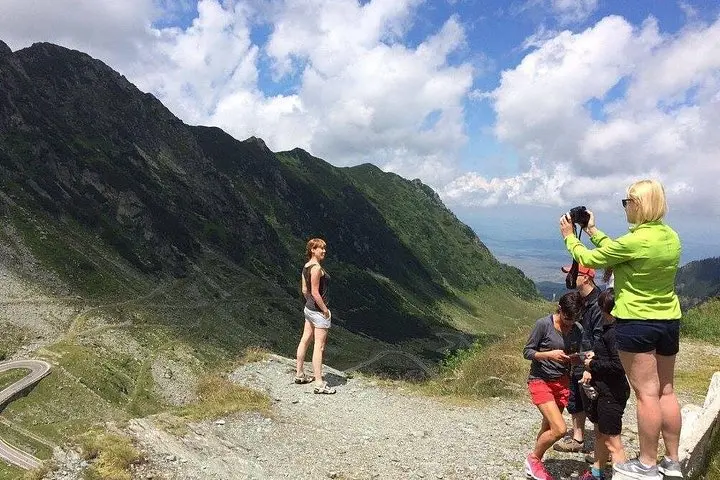
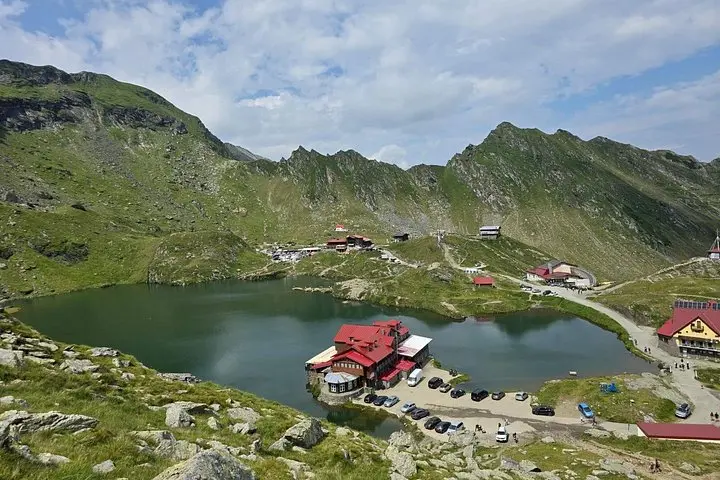
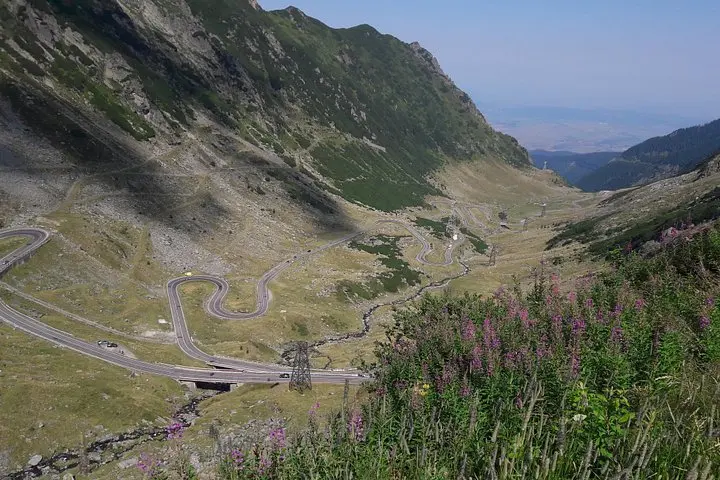
The road rises like a deliberate challenge, hairpins carving the mountainside as the van climbs out of Brașov toward the Făgăraș range. Wind hurries down gullies, waterfalls shout beside the asphalt, and the world opens to a glacial bowl where Balea Lake sits at just over 2,000 meters — cold, clear, and framed by steep ridges.
Verified experiences and guided adventures in the surrounding area.
Operated by Discovery Transylvania · Brașov, Brașov County
The road rises like a deliberate challenge, hairpins carving the mountainside as the van climbs out of Brașov toward the Făgăraș range. Wind hurries down gullies, waterfalls shout beside the asphalt, and the world opens to a glacial bowl where Balea Lake sits at just over 2,000 meters — cold, clear, and framed by steep ridges.
This route stitches Transylvania to Wallachia and carries layers of history: Carta Monastery, founded by Cistercian monks from Burgundy, shows late Gothic stonework amid pastoral fields; the Transfăgărășan itself is a late-20th-century engineering project, built in the 1970s for strategic access and now famed for its dramatic profile.
Geologically the Făgăraș are high, craggy, and glaciated — cirques and moraines tell of ice that carved the lake basin and left steep knife-edges where hikers sometimes trace ridgelines. Local culture remains rural: alpine pastures, seasonal shepherd huts (stâni), and roadside stands selling sheep cheese and țuică.
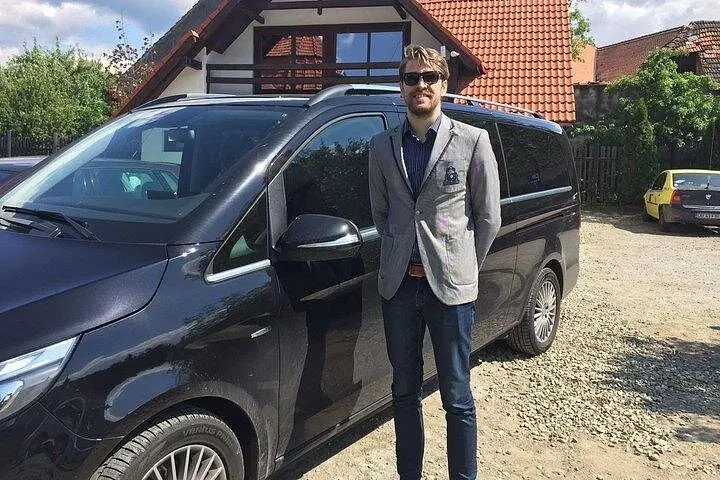
Practical guide: expect an 8–9 hour day with hotel pickup in Brașov, comfortable road travel in a Mercedes-style van, and short walks at viewpoints and the monastery. In winter and spring (Nov–June/July) the upper road closes above Hotel Bâlea Cascadă and the group uses the cable car to reach the lake (cable car fee ~€12, not included). Wear sturdy shoes and warm layers — mountain weather can change fast — and bring water, a camera, and sunscreen. If you want more time at the lake or a longer hike, plan a separate overnight in the Făgăraș range; otherwise the tour gives a concentrated, vivid introduction to one of Romania’s most dramatic drives.
No — when the Transfăgărășan is closed by snow (typically Nov–June/early July) the group uses the cable car from Hotel Bâlea Cascadă and tickets (around €12 round-trip) must be purchased separately.
The high section of the road is usually open from late July through October depending on snowfall and maintenance; exact dates vary each year with weather conditions.
No — the itinerary focuses on scenic driving with short, easy walks to viewpoints, the monastery courtyard, and around Balea Lake; it's suitable for passengers who prefer minimal hiking.
Yes — the tour includes hotel pickup and drop-off within Brașov; you’ll select a pickup point when booking.
Discovery Transylvania operates guided outdoor trips and adventures with an emphasis on safety, stewardship, and memorable experiences.
The road rises like a deliberate challenge, hairpins carving the mountainside as the van climbs out of Brașov toward the Făgăraș range. Wind hurries down gullies, waterfalls shout beside the asphalt, and the world opens to a glacial bowl where Balea Lake sits at just over 2,000 meters — cold, clear, and framed by steep ridges.
The road rises like a deliberate challenge, hairpins carving the mountainside as the van climbs out of Brașov toward the Făgăraș range. Wind hurries down gullies, waterfalls shout beside the asphalt, and the world opens to a glacial bowl where Balea Lake sits at just over 2,000 meters — cold, clear, and framed by steep ridges.
This route stitches Transylvania to Wallachia and carries layers of history: Carta Monastery, founded by Cistercian monks from Burgundy, shows late Gothic stonework amid pastoral fields; the Transfăgărășan itself is a late-20th-century engineering project, built in the 1970s for strategic access and now famed for its dramatic profile.
Geologically the Făgăraș are high, craggy, and glaciated — cirques and moraines tell of ice that carved the lake basin and left steep knife-edges where hikers sometimes trace ridgelines. Local culture remains rural: alpine pastures, seasonal shepherd huts (stâni), and roadside stands selling sheep cheese and țuică.
Practical guide: expect an 8–9 hour day with hotel pickup in Brașov, comfortable road travel in a Mercedes-style van, and short walks at viewpoints and the monastery. In winter and spring (Nov–June/July) the upper road closes above Hotel Bâlea Cascadă and the group uses the cable car to reach the lake (cable car fee ~€12, not included). Wear sturdy shoes and warm layers — mountain weather can change fast — and bring water, a camera, and sunscreen. If you want more time at the lake or a longer hike, plan a separate overnight in the Făgăraș range; otherwise the tour gives a concentrated, vivid introduction to one of Romania’s most dramatic drives.