THE ADVENTURE COLLECTIVE® · Independent discovery and booking for outdoor travel
Spend a full day tracing royal splendor and medieval stonework across the southern Carpathians. Visit Peleș Castle’s ornate interiors, explore Bran’s fortress corridors tied to Dracula lore, and finish with a walking tour of Brașov’s Gothic heart.
Spend a full day tracing royal splendor and medieval stonework across the southern Carpathians. Visit Peleș Castle’s ornate interiors, explore Bran’s fortress corridors tied to Dracula lore, and finish with a walking tour of Brașov’s Gothic heart.
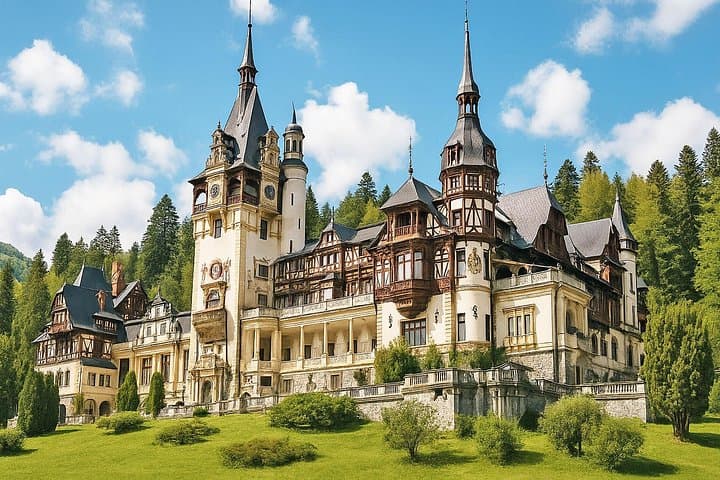
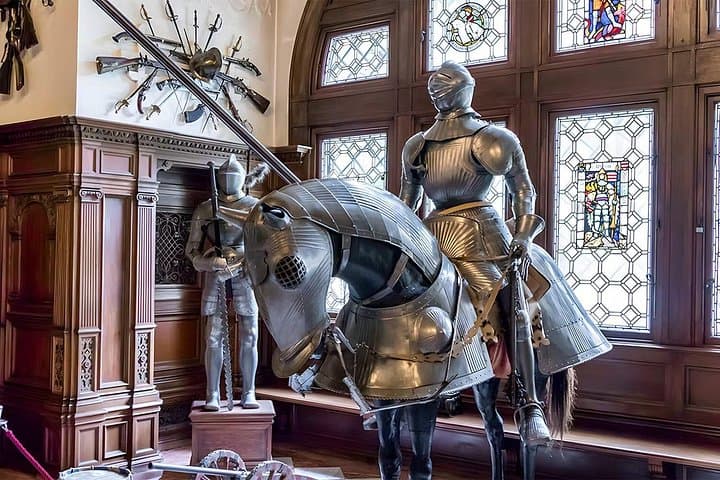
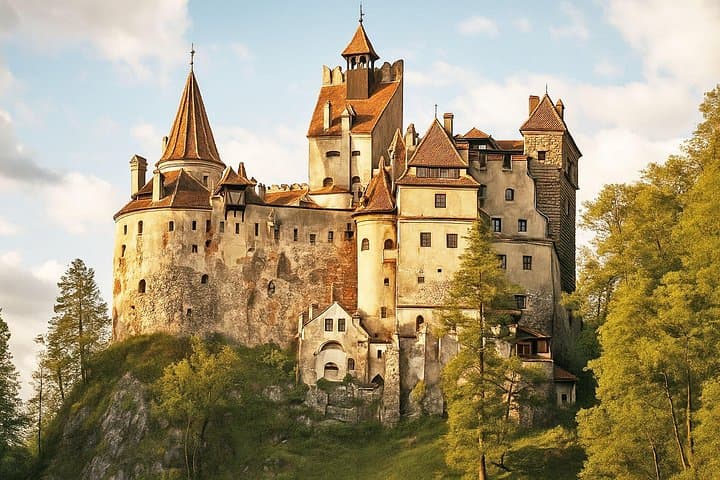
A cold wind from the Bucegi and Piatra Craiului ridgelines meets the coach as it climbs toward the Sinaia meadows; the Carpathians seem to watch as you pass, dark ridges pushing the sky into sharper blue. Your day begins among polished turrets and carved wood in Peleș Castle, moves to the crenelated silhouette of Bran—world-famous for its Dracula associations—and ends on the cobbled stones of Brașov’s Council Square where the mountain keeps its eye on the town.
Verified experiences and guided adventures in the surrounding area.
Operated by Travel Agencies & Trips · Bran, Brașov County
A cold wind from the Bucegi and Piatra Craiului ridgelines meets the coach as it climbs toward the Sinaia meadows; the Carpathians seem to watch as you pass, dark ridges pushing the sky into sharper blue. Your day begins among polished turrets and carved wood in Peleș Castle, moves to the crenelated silhouette of Bran—world-famous for its Dracula associations—and ends on the cobbled stones of Brașov’s Council Square where the mountain keeps its eye on the town.
Peleș, built for King Carol I in the late 19th century, shows neo-Renaissance craftsmanship and a wealth of European applied arts; Bran’s medieval origin is military and practical, later folded into folklore through connections to Vlad Țepeș. Brașov preserves Saxon trade-town geometry: fortified gates, Gothic churches, and Rope Street’s narrowness—architecture shaped by commerce and conflict.
Geology here is limestone and flysch; steep valleys funnel weather and create rapid microclimates—expect sudden gusts on exposed castle terraces. Local culture blends Romanian, Saxon, and Hungarian influences visible in cuisine, church design, and market crafts.
Practical guidance: this is a full-day, mostly low-impact outing with periods of walking on stairs and cobbles; comfortable, closed shoes and a layered jacket are essential. Bring a refillable water bottle and light daypack; guards limit touching interiors, and photography rules vary by site. Timed entry, a knowledgeable guide, and coach transport make the logistics simple—focus on listening, looking, and leaving the sites as you found them.
The full-day tour runs about 10–12 hours from Bucharest and includes scheduled stops at Peleș Castle, Bran Castle, and a walking tour of Brașov before returning to Bucharest.
This listing indicates admissions are not included for some sites; check the booking details or bring cash/credit for entry fees and optional exhibits.
The tour is family-friendly but involves stairs and uneven surfaces; those with limited mobility may find certain castle areas difficult to access.
Audio guides in multiple languages are mentioned; confirm the guide language at booking or request an audio option if available.
Travel Agencies & Trips operates guided outdoor trips and adventures with an emphasis on safety, stewardship, and memorable experiences.
A cold wind from the Bucegi and Piatra Craiului ridgelines meets the coach as it climbs toward the Sinaia meadows; the Carpathians seem to watch as you pass, dark ridges pushing the sky into sharper blue. Your day begins among polished turrets and carved wood in Peleș Castle, moves to the crenelated silhouette of Bran—world-famous for its Dracula associations—and ends on the cobbled stones of Brașov’s Council Square where the mountain keeps its eye on the town.
A cold wind from the Bucegi and Piatra Craiului ridgelines meets the coach as it climbs toward the Sinaia meadows; the Carpathians seem to watch as you pass, dark ridges pushing the sky into sharper blue. Your day begins among polished turrets and carved wood in Peleș Castle, moves to the crenelated silhouette of Bran—world-famous for its Dracula associations—and ends on the cobbled stones of Brașov’s Council Square where the mountain keeps its eye on the town.
Peleș, built for King Carol I in the late 19th century, shows neo-Renaissance craftsmanship and a wealth of European applied arts; Bran’s medieval origin is military and practical, later folded into folklore through connections to Vlad Țepeș. Brașov preserves Saxon trade-town geometry: fortified gates, Gothic churches, and Rope Street’s narrowness—architecture shaped by commerce and conflict.
Geology here is limestone and flysch; steep valleys funnel weather and create rapid microclimates—expect sudden gusts on exposed castle terraces. Local culture blends Romanian, Saxon, and Hungarian influences visible in cuisine, church design, and market crafts.
Practical guidance: this is a full-day, mostly low-impact outing with periods of walking on stairs and cobbles; comfortable, closed shoes and a layered jacket are essential. Bring a refillable water bottle and light daypack; guards limit touching interiors, and photography rules vary by site. Timed entry, a knowledgeable guide, and coach transport make the logistics simple—focus on listening, looking, and leaving the sites as you found them.
