THE ADVENTURE COLLECTIVE® · Independent discovery and booking for outdoor travel
Drive the Olt Valley and the Carpathian high road on a private six-day tour that pairs Corvin, Bran and Peles castles with Saxon citadels and UNESCO fortified churches. Expect cobbled streets, frescoed village churches and short alpine viewpoints.
Drive the Olt Valley and the Carpathian high road on a private six-day tour that pairs Corvin, Bran and Peles castles with Saxon citadels and UNESCO fortified churches. Expect cobbled streets, frescoed village churches and short alpine viewpoints.
You meet the road outside Bucharest as the city drops behind you and the Olt River carves a green corridor through the foothills. Window frames catch slate roofs, church towers and the first dark line of the Carpathians; the trip feels like a deliberate move back in time, each village a page turned.
Verified experiences and guided adventures in the surrounding area.
Operated by Transylvanian Tours · Brașov, Brașov County
You meet the road outside Bucharest as the city drops behind you and the Olt River carves a green corridor through the foothills. Window frames catch slate roofs, church towers and the first dark line of the Carpathians; the trip feels like a deliberate move back in time, each village a page turned.
The six-day route threads history and geology: Roman castra and Dacian highlands give way to medieval stone—fortified churches raised by Saxon settlers, Corvin’s Gothic battlements, and Peles’ late-19th-century flourishes. Teutonic Knights, Hungarian regents and Wallachian voivodes all left practical marks—defensive towers, narrow citadel streets, and trade roads that still shape modern villages.
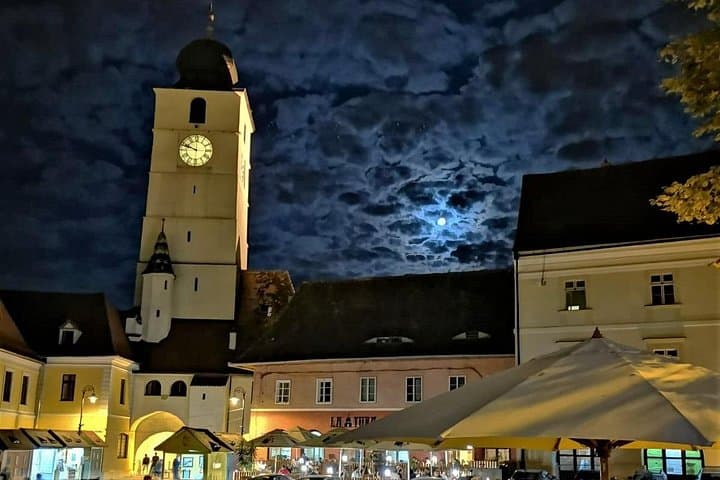
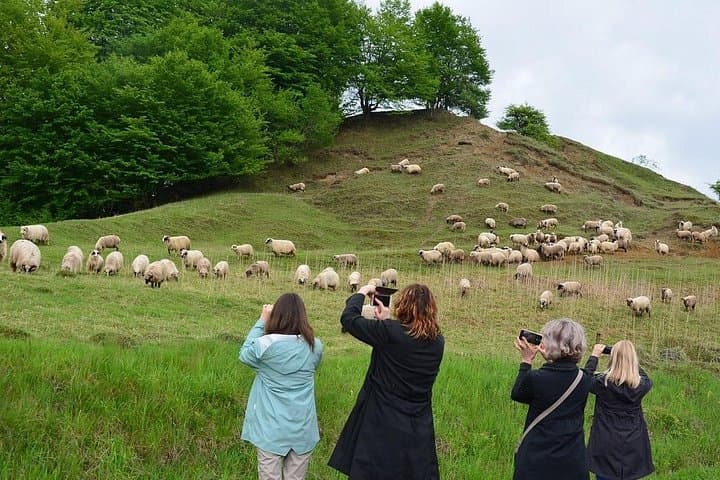
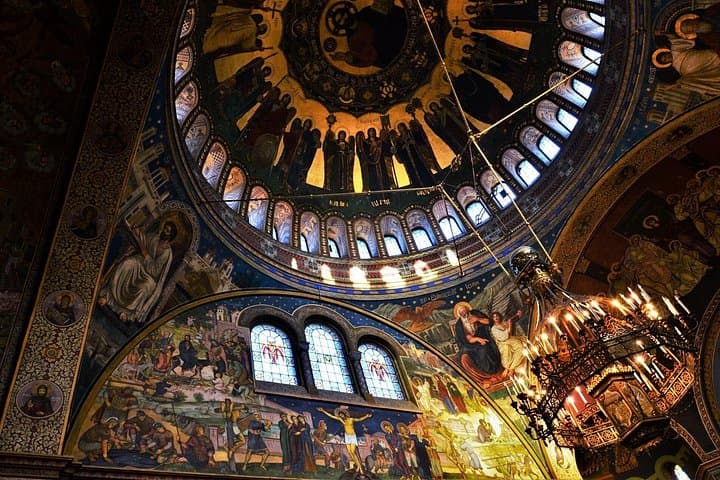
Culturally, this is rural Romania: organic lunches in Viscri, Lutheran church frescoes recently uncovered in Malâncrav, and the layered legends around Bran and Vlad the Impaler. The landscape alternates forested valley roads with plateau views and short alpine climbs near Poiana Brașov; expect cobbled streets, steep staircases in citadels and a cable-car ride to around 1,720 m for a broad Carpathian panorama.
Practical guidance: pack comfortable walking shoes for cobbles and stairways, layers for mountain-to-valley temperature swings, and a daypack for camera, water and documents. Daily drives vary from one to three hours; most on-tour walking is light but includes steps and short uphill approaches. Carry some local currency for small village purchases and confirm mobility needs ahead—hotels are 3-star comfort but historic sites can be uneven underfoot. Early starts minimize crowds at key castles; allow extra time at UNESCO churches for photography and to absorb frescoes.
Daily drives typically range from 1–3 hours between towns and sites; expect multiple short transfers with stops en route.
Some admissions (e.g., Corvin, Peles) are included on this itinerary; confirm specifics with the operator before travel.
The tour is rated physically easy but historic sites have uneven surfaces and stairs—check mobility needs in advance and request accommodations if necessary.
Romanian leu (RON) is standard in villages; credit cards are widely accepted in cities but small sellers often prefer cash.
Transylvanian Tours operates guided outdoor trips and adventures with an emphasis on safety, stewardship, and memorable experiences.
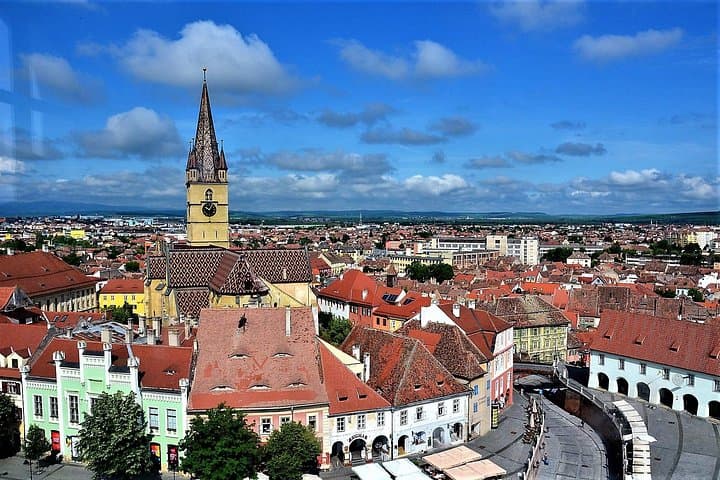
You meet the road outside Bucharest as the city drops behind you and the Olt River carves a green corridor through the foothills. Window frames catch slate roofs, church towers and the first dark line of the Carpathians; the trip feels like a deliberate move back in time, each village a page turned.
You meet the road outside Bucharest as the city drops behind you and the Olt River carves a green corridor through the foothills. Window frames catch slate roofs, church towers and the first dark line of the Carpathians; the trip feels like a deliberate move back in time, each village a page turned.
The six-day route threads history and geology: Roman castra and Dacian highlands give way to medieval stone—fortified churches raised by Saxon settlers, Corvin’s Gothic battlements, and Peles’ late-19th-century flourishes. Teutonic Knights, Hungarian regents and Wallachian voivodes all left practical marks—defensive towers, narrow citadel streets, and trade roads that still shape modern villages.
Culturally, this is rural Romania: organic lunches in Viscri, Lutheran church frescoes recently uncovered in Malâncrav, and the layered legends around Bran and Vlad the Impaler. The landscape alternates forested valley roads with plateau views and short alpine climbs near Poiana Brașov; expect cobbled streets, steep staircases in citadels and a cable-car ride to around 1,720 m for a broad Carpathian panorama.
Practical guidance: pack comfortable walking shoes for cobbles and stairways, layers for mountain-to-valley temperature swings, and a daypack for camera, water and documents. Daily drives vary from one to three hours; most on-tour walking is light but includes steps and short uphill approaches. Carry some local currency for small village purchases and confirm mobility needs ahead—hotels are 3-star comfort but historic sites can be uneven underfoot. Early starts minimize crowds at key castles; allow extra time at UNESCO churches for photography and to absorb frescoes.
