THE ADVENTURE COLLECTIVE® · Independent discovery and booking for outdoor travel

Walk three hours through Trastevere and Rome’s Jewish Ghetto with a local guide, soaking up medieval streets, basilicas, river views and a slice of authentic Roman pizza. Small groups (max 8) make this a conversational tour ideal for history buffs and food lovers.
Walk three hours through Trastevere and Rome’s Jewish Ghetto with a local guide, soaking up medieval streets, basilicas, river views and a slice of authentic Roman pizza. Small groups (max 8) make this a conversational tour ideal for history buffs and food lovers.
Book with Walks in Europe
Verified experiences and guided adventures in the surrounding area.
Operated by Walks in Europe · Roma, Lazio
Trastevere & the Jewish Ghetto meet at the Tiber in Rome, where narrow medieval lanes, ancient basilicas and riverfront ruins form a walking route that compresses the city’s layered history into three lively hours. This semi-private walking tour starts in Trastevere, the district once called Trans-Tiberim, and moves across the Ponte Rotto toward the historic Jewish Ghetto, revealing churches, squares, and culinary stops along the way.
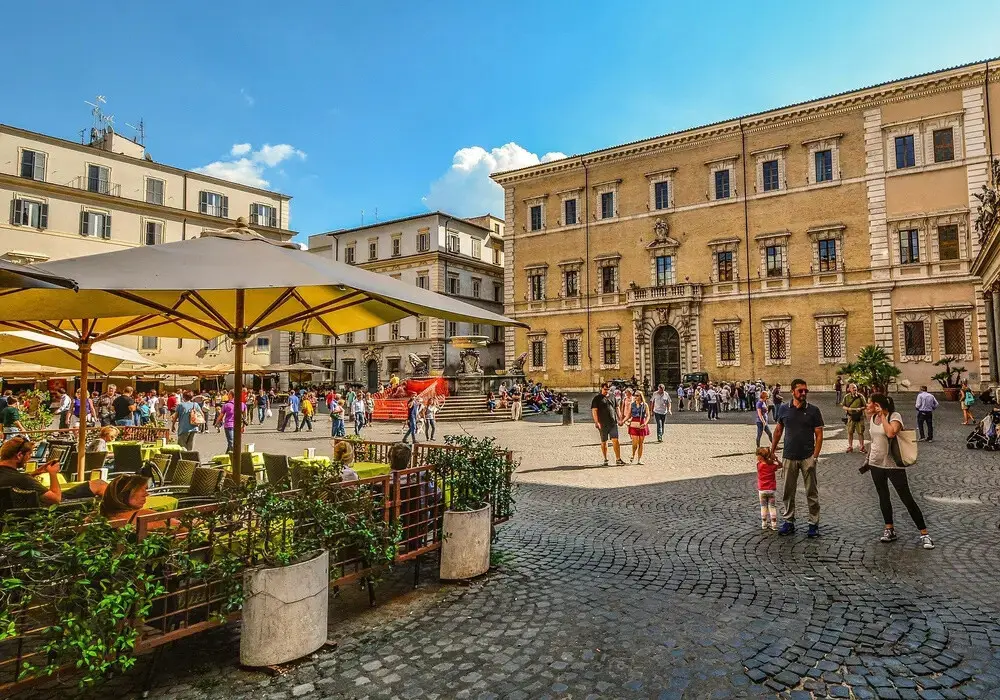
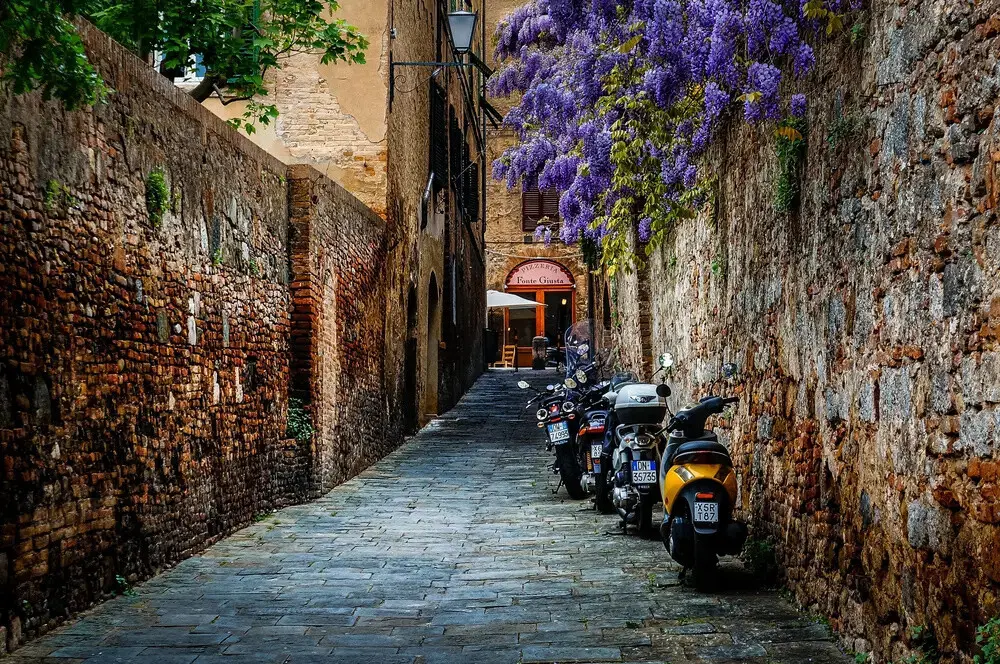
Begin among Trastevere’s cobblestone alleys and colorful façades, where the Basilica of Santa Maria in Trastevere stands as one of Rome’s oldest Christian sites. The guide pauses to unpack the basilica’s mosaics and the district’s medieval street plan, then leads you to the quieter, richly textured interior of the Basilica of Santa Cecilia, built on the saint’s former home. These churches are architectural anchors — stone, fresco and mosaic that show how faith shaped neighborhoods long before modern Rome.
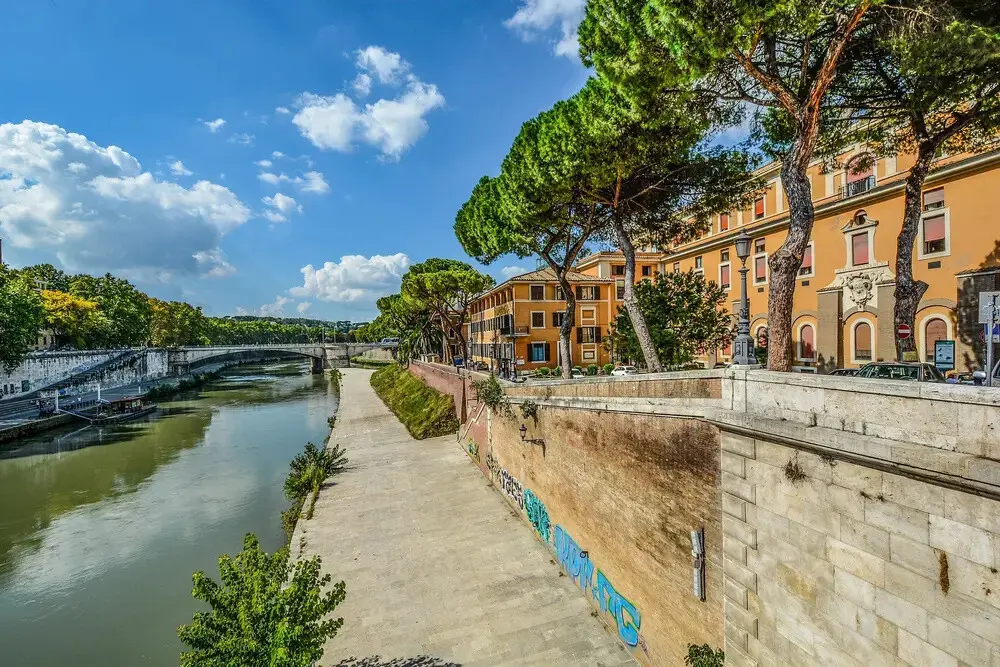
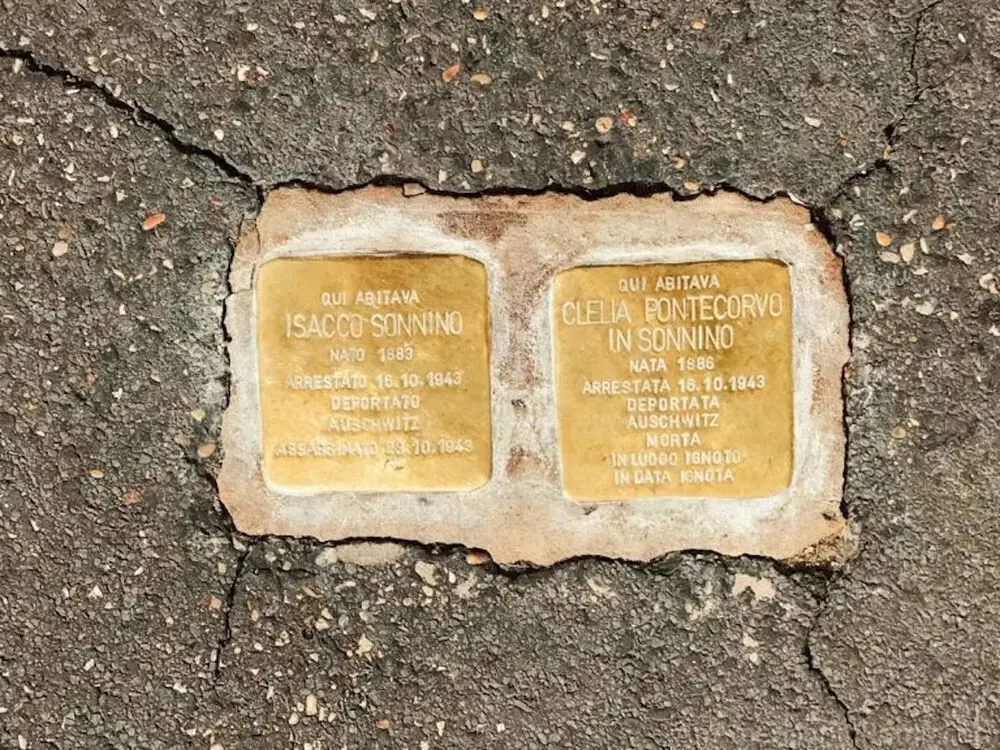
Crossing the Tiber offers one of the day’s best vantage points: a view back to Ponte Rotto, the fragmentary remnant of Rome’s oldest stone bridge, and a sweep across Tiber Island, steeped in myths and river-side cures. The route moves into the Jewish Ghetto, created in 1555 under Pope Paul IV. Here the story changes from ecclesiastical art to resilience and culinary tradition: kosher bakeries, family-run trattorie, and the imposing exterior of the Great Synagogue stitch together a community history that survived confinement and became cultural pride.
This tour is formatted as a small-group experience, capped at eight people, which keeps the pace intimate and conversational. The three-hour duration balances discovery and rest, with a culinary stop to taste authentic Roman pizza — a practical, tasty way to sample local flavor while discussing food history and neighborhood identity. Guides highlight the Porticus Octaviae, the remains of the Marcellus Theatre, and the Turtle Fountain, making clear the layers of Roman life from antiquity through the medieval era and into today’s bustling squares.
Practical notes: the route is mostly on cobblestones and narrow streets, so wear supportive shoes and be prepared for modest dress codes at sacred sites. The tour is not suitable for people with reduced mobility due to uneven paths and steps. For photographers and history lovers alike, this walk earns its keep: it’s a compact curriculum on Rome’s urban evolution, delivered by local specialists who read buildings as evidence and cuisine as living culture.
Expect questions and anecdotes from guides who grew up in these neighborhoods; they point out small shops where recipes have passed through generations and explain how modern restoration projects balance tourism and resident life. The small group size also allows time for personalized recommendations on where to eat, linger, or return later to explore at a slower pace and savor.
The meeting point is not provided in the supplied listing; please check the booking confirmation for exact meeting details.
No — the route includes cobblestones, steps and narrow streets that make it unsuitable for many mobility aids.
Groups are limited to a maximum of eight people for an intimate experience.
The itinerary notes exterior visits to some sites; entry depends on service hours and dress codes — modest clothing is required.
A culinary stop to sample an authentic slice of Roman pizza is included as part of the three-hour experience.
Ask your guide or the operator in advance; many stops are family-run and can advise on options, but kosher rules apply in the Ghetto.
Walks in Europe is a guided-tour operator based in Milano, Lombardia, offering small-group and private walking tours across Italy and select nearby destinations. Specializing in city highlights and cultural deep-dives, the company provides pre-reserved tickets, priority access, and expert local guides for major sites including St. Mark’s Basilica, the Doge’s Palace, the Leaning Tower of Pisa, Florence’s Accademia and cathedral, Milan’s Duomo and Sforza Castle, and Verona’s Roman Arena. Each itinerary emphasizes local stories, architecture, and culinary stops where noted, combining on-foot exploration with reserved entries or optional experiences such as gondola rides and cable car ascents. Tours listed include Venice highlights, the Jewish Ghetto and synagogue visits, Doge’s Palace guided tours with optional gondola rides, Verona walking and food tours with cable car access, Pisa guided visits to Miracles Square, Paris Sainte-Chapelle and Conciergerie tours, Milan Duomo and Pietà highlights, and Florence Medici and David-focused experiences. Walks in Europe operates from Milano while serving travelers visiting Venice, Verona, Pisa, Florence, Milan and Paris. The operator’s use of pre-booked tickets and priority access reduces wait times and enhances time-on-site for visitors. Local guides deliver historical context, accessible pacing, and curated routes suited to small groups and private bookings. Travelers seeking guided walking tours with efficient logistics and expert guidance can find the company’s offerings aligned to classic landmarks, art, and cultural heritage across its listed routes. Booking options include small-group departures and private experiences with clear cancellation policies, accessible meeting points, and multilingual guide availability when specified upon special request.
Book with Walks in Europe