THE ADVENTURE COLLECTIVE® · Independent discovery and booking for outdoor travel

Explore Egypt's headline monuments and a classic Nile cruise in one compact itinerary. From Giza's pyramids to Abu Simbel, this 10-day private tour combines guided archaeology with onboard relaxation.
Explore Egypt's headline monuments and a classic Nile cruise in one compact itinerary. From Giza's pyramids to Abu Simbel, this 10-day private tour combines guided archaeology with onboard relaxation.
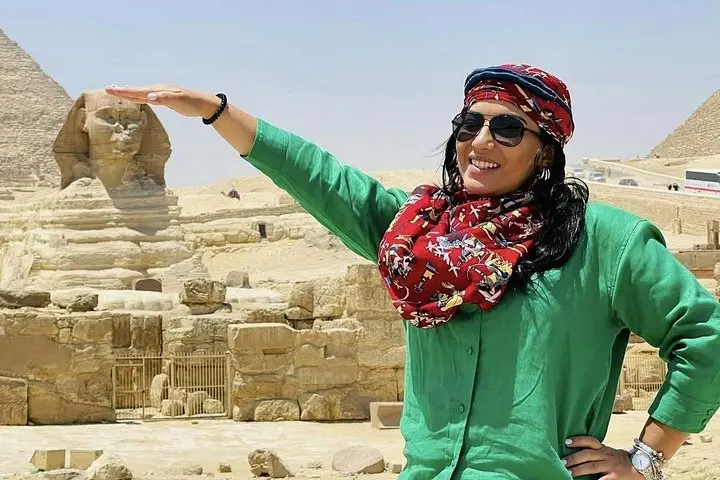
The sun pulls the desert into sharp relief as you stand before the Great Pyramid, stone faces casting long, cool shadows across the Giza plateau. Cairo's traffic hum fades; the air smells faintly of spice and diesel, and a guide's voice begins to tie the skyline of minarets and modern towers to three millennia of history.
Verified experiences and guided adventures in the surrounding area.
Operated by Bastet Travel · Cairo, Cairo Governorate
The sun pulls the desert into sharp relief as you stand before the Great Pyramid, stone faces casting long, cool shadows across the Giza plateau. Cairo's traffic hum fades; the air smells faintly of spice and diesel, and a guide's voice begins to tie the skyline of minarets and modern towers to three millennia of history.
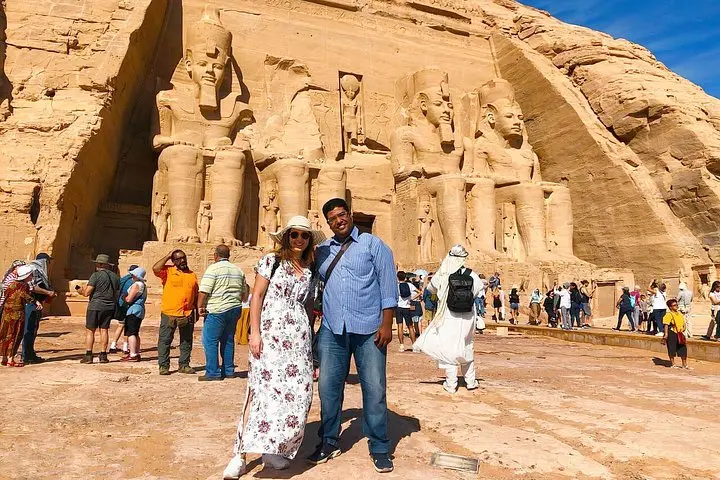
This 10-day itinerary threads Egypt's high points: Giza and Saqqara on the Nile's floodplain, the crowded galleries of the Egyptian Museum, and then the slow, rhythmic motion of a Nile cruise between Luxor and Aswan. Along the river the landscape flattens; temples—Karnak, Luxor, Edfu, Kom Ombo—rise from sand and stone, Ptolemaic columns and carved reliefs that record pharaonic ritual and daily life. West of Luxor the Valley of the Kings holds roughly 60 royal tombs cut into limestone cliffs; Abu Simbel, rescued and rebuilt above Lake Nasser, stands as 20th-century proof of modern conservation.
Expect sustained walking on uneven stone, short ferry hops to islands like Philae, and long coach transfers—Abu Simbel lies ~280 km south of Aswan by road. Temperatures can spike; mornings and late afternoons are best for photography and longer walks.
Practical edge: bring sturdy closed-toe shoes, brimmed hat, ample water and a compact sun layer. Carry small local currency for tips and market purchases; negotiate taxi fares up front. Respect dress norms at religious sites and allow flexible time—delays and security checks are common. With a certified Egyptologist leading, the trip balances deep context with manageable logistics, turning iconic monuments into a coherent, transportive journey.
Yes—round-trip local flights (Cairo–Luxor–Aswan–Cairo) are included in the itinerary to shorten transfer times.
The tour notes wheelchair accessibility for some services, but many historic sites have uneven terrain and steps; discuss specific needs with the operator before booking.
Most travelers require a visa; rules vary by nationality—obtain a visa on arrival for many countries or an e-Visa in advance and confirm current requirements before travel.
The cruise component typically covers multiple nights between Luxor and Aswan with daily shore excursions to major temples such as Karnak, Luxor, Edfu and Kom Ombo.
Bastet Travel operates guided outdoor trips and adventures with an emphasis on safety, stewardship, and memorable experiences.
The sun pulls the desert into sharp relief as you stand before the Great Pyramid, stone faces casting long, cool shadows across the Giza plateau. Cairo's traffic hum fades; the air smells faintly of spice and diesel, and a guide's voice begins to tie the skyline of minarets and modern towers to three millennia of history.
The sun pulls the desert into sharp relief as you stand before the Great Pyramid, stone faces casting long, cool shadows across the Giza plateau. Cairo's traffic hum fades; the air smells faintly of spice and diesel, and a guide's voice begins to tie the skyline of minarets and modern towers to three millennia of history.
This 10-day itinerary threads Egypt's high points: Giza and Saqqara on the Nile's floodplain, the crowded galleries of the Egyptian Museum, and then the slow, rhythmic motion of a Nile cruise between Luxor and Aswan. Along the river the landscape flattens; temples—Karnak, Luxor, Edfu, Kom Ombo—rise from sand and stone, Ptolemaic columns and carved reliefs that record pharaonic ritual and daily life. West of Luxor the Valley of the Kings holds roughly 60 royal tombs cut into limestone cliffs; Abu Simbel, rescued and rebuilt above Lake Nasser, stands as 20th-century proof of modern conservation.
Expect sustained walking on uneven stone, short ferry hops to islands like Philae, and long coach transfers—Abu Simbel lies ~280 km south of Aswan by road. Temperatures can spike; mornings and late afternoons are best for photography and longer walks.
Practical edge: bring sturdy closed-toe shoes, brimmed hat, ample water and a compact sun layer. Carry small local currency for tips and market purchases; negotiate taxi fares up front. Respect dress norms at religious sites and allow flexible time—delays and security checks are common. With a certified Egyptologist leading, the trip balances deep context with manageable logistics, turning iconic monuments into a coherent, transportive journey.