THE ADVENTURE COLLECTIVE® · Independent discovery and booking for outdoor travel

Trace pharaonic history along the Nile on a nine-day circuit from Cairo to Abu Simbel. This itinerary pairs the Pyramids and Saqqara with a four-night Nile cruise and Luxor’s temple heartlands for a compact, low-impact cultural adventure.
Trace pharaonic history along the Nile on a nine-day circuit from Cairo to Abu Simbel. This itinerary pairs the Pyramids and Saqqara with a four-night Nile cruise and Luxor’s temple heartlands for a compact, low-impact cultural adventure.
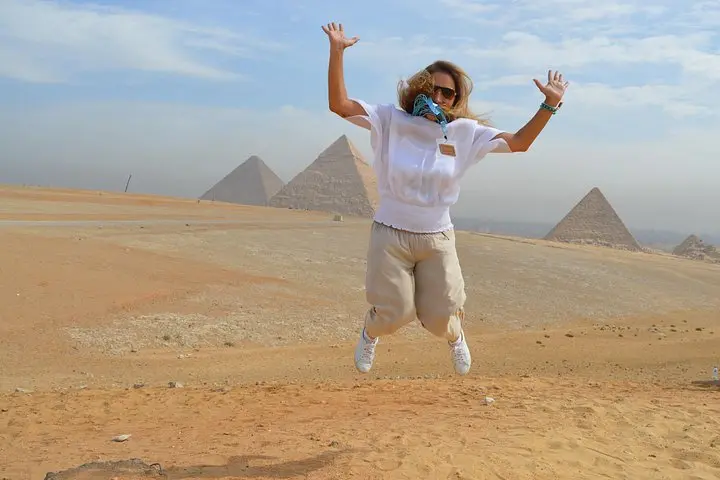
You arrive before dawn at the rim of Giza; winded dust and the hawks above make the stones look alive. The Great Pyramid rises like an old, immovable ruler while the Nile below promises a softer, moving history that will carry you south — through Luxor’s temple avenues, the West Bank’s rock-cut tombs, and the compact silhouette of Abu Simbel set against Nubian desert.
Verified experiences and guided adventures in the surrounding area.
Operated by Travabia Travel · Cairo, Cairo Governorate
You arrive before dawn at the rim of Giza; winded dust and the hawks above make the stones look alive. The Great Pyramid rises like an old, immovable ruler while the Nile below promises a softer, moving history that will carry you south — through Luxor’s temple avenues, the West Bank’s rock-cut tombs, and the compact silhouette of Abu Simbel set against Nubian desert.
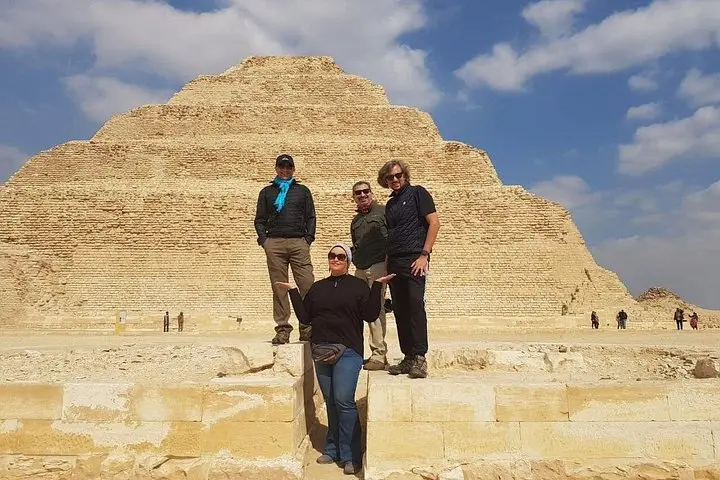
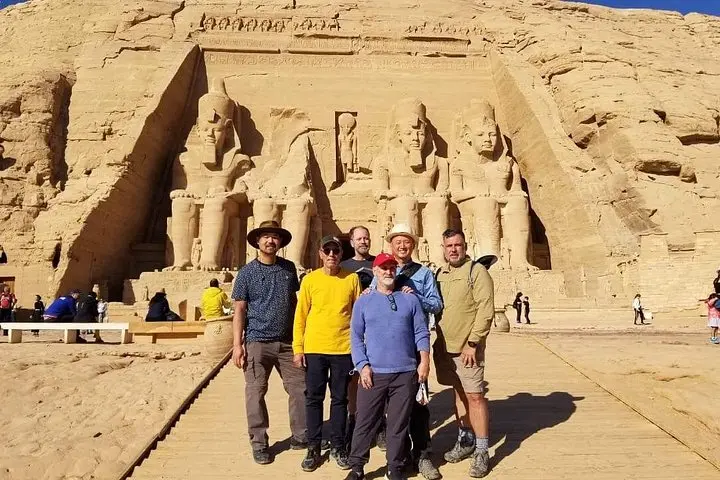
This nine-day itinerary stitches together layered histories: Old Kingdom mastabas at Saqqara, New Kingdom opulence in Karnak and the Valley of the Kings, and Ramesses II’s colossal presence at Abu Simbel. Geologically, the Nile’s floodplain carved a ribbon of fertile silt across an otherwise arid landscape, shaping settlement patterns and sacred alignments that you’ll see echoed in temple orientations and agricultural terraces.
Culturally, you’ll move from the urban bustle of Cairo and Khan el-Khalili to the measured pace of a four-night Nile cruise, with evenings punctuated by sunset light across temple pylons. Expect local rhythms: prayer calls, market bargaining, and the practiced economy of guides and felucca crews.
Practical guidance: domestic flights link Cairo, Luxor and Aswan; travel is low-impact physically but involves many stairs, uneven stone floors, and hot midday sun. Carry reusable water, sun protection, and comfortable shoes with good traction. Time visits early or late to avoid heat and crowds; at sensitive sites follow photo and entry rules—tombs rotate open for conservation. With modest planning, this trip feels immersive without being strenuous: a measured passage through Egypt’s best-preserved chapters of its past.
Most nationalities require a tourist visa; check current entry requirements and obtain a visa in advance or on arrival where applicable.
The itinerary lists domestic flights (Cairo–Luxor–Aswan–Cairo) and many entrance fees; confirm specific inclusions with the operator before booking.
This tour involves many stairs, steps in tombs and temples, and uneven surfaces; it may not be suitable for travelers with significant mobility constraints.
Tipping is customary: expect to budget daily for guides, drivers, and cruise staff—small bills in local currency are useful.
Travabia Travel operates guided outdoor trips and adventures with an emphasis on safety, stewardship, and memorable experiences.
You arrive before dawn at the rim of Giza; winded dust and the hawks above make the stones look alive. The Great Pyramid rises like an old, immovable ruler while the Nile below promises a softer, moving history that will carry you south — through Luxor’s temple avenues, the West Bank’s rock-cut tombs, and the compact silhouette of Abu Simbel set against Nubian desert.
You arrive before dawn at the rim of Giza; winded dust and the hawks above make the stones look alive. The Great Pyramid rises like an old, immovable ruler while the Nile below promises a softer, moving history that will carry you south — through Luxor’s temple avenues, the West Bank’s rock-cut tombs, and the compact silhouette of Abu Simbel set against Nubian desert.
This nine-day itinerary stitches together layered histories: Old Kingdom mastabas at Saqqara, New Kingdom opulence in Karnak and the Valley of the Kings, and Ramesses II’s colossal presence at Abu Simbel. Geologically, the Nile’s floodplain carved a ribbon of fertile silt across an otherwise arid landscape, shaping settlement patterns and sacred alignments that you’ll see echoed in temple orientations and agricultural terraces.
Culturally, you’ll move from the urban bustle of Cairo and Khan el-Khalili to the measured pace of a four-night Nile cruise, with evenings punctuated by sunset light across temple pylons. Expect local rhythms: prayer calls, market bargaining, and the practiced economy of guides and felucca crews.
Practical guidance: domestic flights link Cairo, Luxor and Aswan; travel is low-impact physically but involves many stairs, uneven stone floors, and hot midday sun. Carry reusable water, sun protection, and comfortable shoes with good traction. Time visits early or late to avoid heat and crowds; at sensitive sites follow photo and entry rules—tombs rotate open for conservation. With modest planning, this trip feels immersive without being strenuous: a measured passage through Egypt’s best-preserved chapters of its past.