THE ADVENTURE COLLECTIVE® · Independent discovery and booking for outdoor travel

A rugged two-day trek from Guayaquil to Nevado El Altar (Kapak Urku) and Laguna Amarilla that combines high-altitude camping, volcanic landscapes, and sweeping páramo views. Ideal for fit hikers comfortable above 3,800 m; guides provide logistics and permits.
A rugged two-day trek from Guayaquil to Nevado El Altar (Kapak Urku) and Laguna Amarilla that combines high-altitude camping, volcanic landscapes, and sweeping páramo views. Ideal for fit hikers comfortable above 3,800 m; guides provide logistics and permits.
You wake before dawn in a small hotel lobby in Guayaquil, bundled against a damp coastal chill, watching headlamps bob as the minibus pulls away toward the highlands. The road climbs, cities thin, and the air sharpens — by late morning you smell the dry grass of páramo and see the fractured skyline of El Altar, Kapak Urku, rising with ragged shoulders that tell of ancient collapse.
Verified experiences and guided adventures in the surrounding area.
Operated by Perfect Destiny · Penipe, Chimborazo
You wake before dawn in a small hotel lobby in Guayaquil, bundled against a damp coastal chill, watching headlamps bob as the minibus pulls away toward the highlands. The road climbs, cities thin, and the air sharpens — by late morning you smell the dry grass of páramo and see the fractured skyline of El Altar, Kapak Urku, rising with ragged shoulders that tell of ancient collapse.
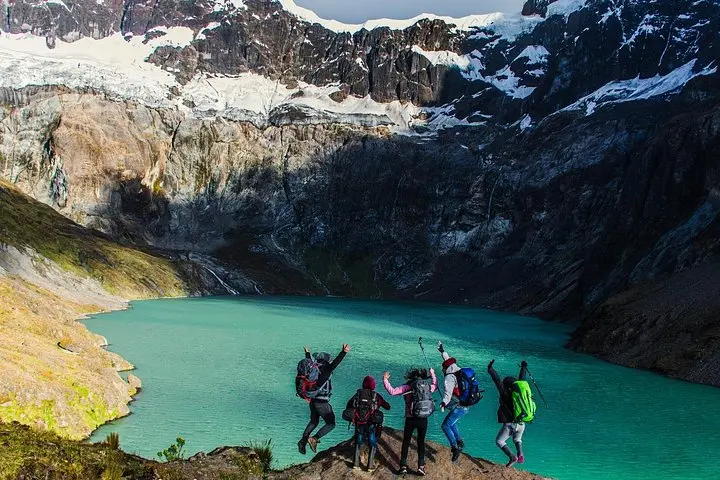
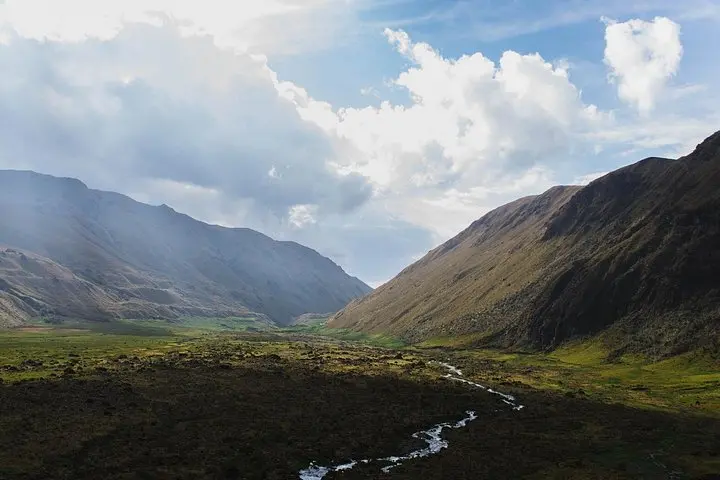
El Altar is an eroded volcanic complex east of Riobamba whose caldera and glacier-carved ridges frame the Collanes Valley. The yellow lagoon (Laguna Amarilla) sits in a shallow crater, its sulfur-tinted shores giving the water a distinct color; local Kichwa people call the massif Kapak Urku, and the route crosses landscapes shaped by glaciation, volcanic rock, and páramo peat.
Culture here is agricultural and Quechua-rooted — Penipe’s communities still herd livestock and maintain mountain trails. You camp at Collanes Valley, under thin high-altitude sky, where nights are cold and silence is big enough to listen to the wind.
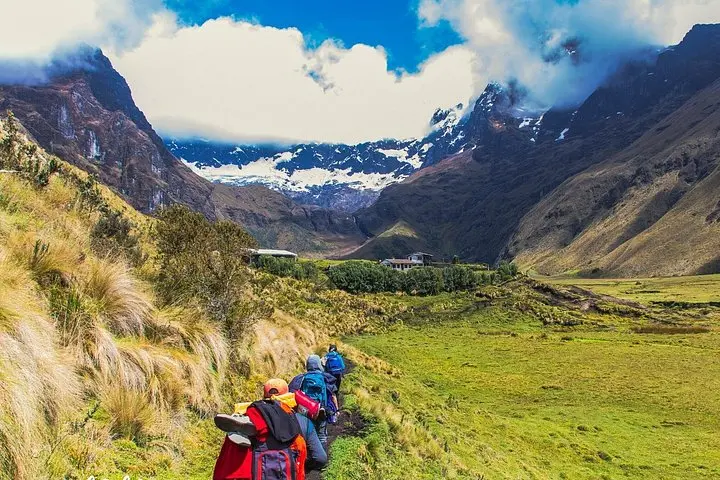
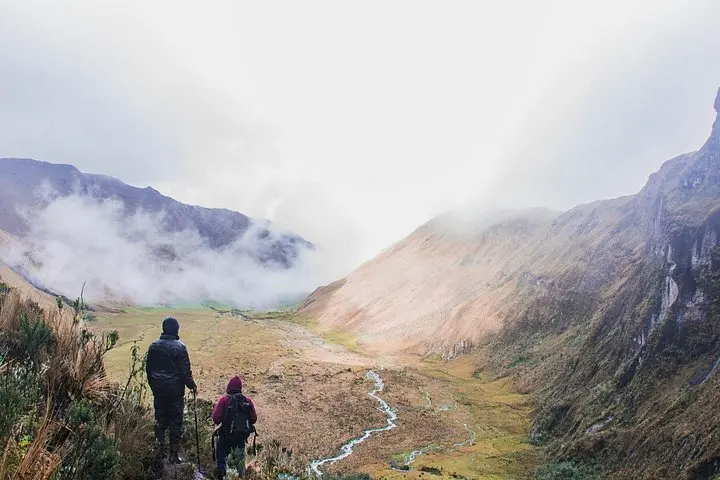
Practical notes: expect two days of trekking with sustained uphill sections above 3,800–4,200 m, loose volcanic scree, and muddy páramo trails after rain. Guides handle permits, tents, and meals; you should focus on layering, hydration, and pacing to manage altitude. Bring warm, breathable layers, a waterproof shell, sturdy boots, and a camera with spare batteries (cold drains power fast). Start early on day two to reach Laguna Amarilla in clear light, and allow time for slow descents. The route rewards climbers with sweeping valley views, quiet lakeshores, and a close look at high-Andean ecosystems.
The trek reaches elevations around 4,000+ m; most travelers feel shortness of breath and mild headaches without proper acclimatization — plan at least one day at intermediate altitude beforehand.
Yes, guided tours typically supply 3-season tents, sleeping bags or insulated liners, and country-style meals as part of the package.
No technical climbing gear is required; the route is a high-altitude trek over trails and scree, not a technical ascent.
Weather is variable: sunny mornings can turn to wind and rain by afternoon; nights are cold. Waterproof layers, sun protection, and warm camp clothing are essential.
Perfect Destiny operates guided outdoor trips and adventures with an emphasis on safety, stewardship, and memorable experiences.
You wake before dawn in a small hotel lobby in Guayaquil, bundled against a damp coastal chill, watching headlamps bob as the minibus pulls away toward the highlands. The road climbs, cities thin, and the air sharpens — by late morning you smell the dry grass of páramo and see the fractured skyline of El Altar, Kapak Urku, rising with ragged shoulders that tell of ancient collapse.
You wake before dawn in a small hotel lobby in Guayaquil, bundled against a damp coastal chill, watching headlamps bob as the minibus pulls away toward the highlands. The road climbs, cities thin, and the air sharpens — by late morning you smell the dry grass of páramo and see the fractured skyline of El Altar, Kapak Urku, rising with ragged shoulders that tell of ancient collapse.
El Altar is an eroded volcanic complex east of Riobamba whose caldera and glacier-carved ridges frame the Collanes Valley. The yellow lagoon (Laguna Amarilla) sits in a shallow crater, its sulfur-tinted shores giving the water a distinct color; local Kichwa people call the massif Kapak Urku, and the route crosses landscapes shaped by glaciation, volcanic rock, and páramo peat.
Culture here is agricultural and Quechua-rooted — Penipe’s communities still herd livestock and maintain mountain trails. You camp at Collanes Valley, under thin high-altitude sky, where nights are cold and silence is big enough to listen to the wind.
Practical notes: expect two days of trekking with sustained uphill sections above 3,800–4,200 m, loose volcanic scree, and muddy páramo trails after rain. Guides handle permits, tents, and meals; you should focus on layering, hydration, and pacing to manage altitude. Bring warm, breathable layers, a waterproof shell, sturdy boots, and a camera with spare batteries (cold drains power fast). Start early on day two to reach Laguna Amarilla in clear light, and allow time for slow descents. The route rewards climbers with sweeping valley views, quiet lakeshores, and a close look at high-Andean ecosystems.