THE ADVENTURE COLLECTIVE® · Independent discovery and booking for outdoor travel

Walk 11–12 km through Muong Hoa valley from Lao Chai to Ta Van, passing Hmong and Zay villages, terraced rice fields and rivers. This 6-hour guided trek combines cultural visits with sweeping valley views and a local lunch.
Walk 11–12 km through Muong Hoa valley from Lao Chai to Ta Van, passing Hmong and Zay villages, terraced rice fields and rivers. This 6-hour guided trek combines cultural visits with sweeping valley views and a local lunch.
A morning mist lifts off the rice terraces as the group leaves Sapa town and drops into Muong Hoa valley. Footsteps pass wooden stiles and narrow paths as the valley exhales—rice paddies reflecting sky, a river nudging the trail, and terraces stepping down the hillside like deliberate shelves carved by generations.
Verified experiences and guided adventures in the surrounding area.
Operated by Sapa Original Trek · Sapa, Lao Cai
A morning mist lifts off the rice terraces as the group leaves Sapa town and drops into Muong Hoa valley. Footsteps pass wooden stiles and narrow paths as the valley exhales—rice paddies reflecting sky, a river nudging the trail, and terraces stepping down the hillside like deliberate shelves carved by generations.
The route follows old footpaths past Y Linh Ho, through Lao Chai and on to Ta Van, where Hmong and Zay communities still farm and live in traditional wooden houses. Geologically the valley is a steep-sided glacial trough cut into metamorphic bedrock; soils on the terrace risers are thin but fertile, supported by careful irrigation that dates back centuries. French explorers first wrote about Sapa’s highlands in the early 20th century; today local guides balance tourism income with village life.
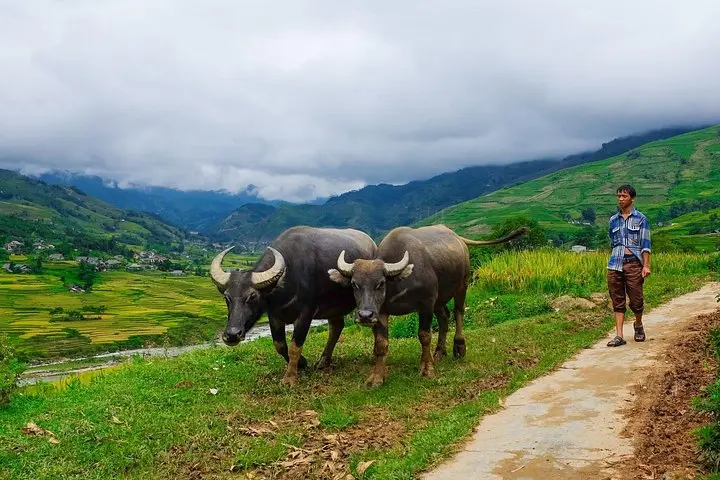
Expect 11–12 km of walking, roughly 200–300 m of cumulative ascent and descent, and about six hours on trail. Surfaces vary from packed dirt and stone to muddy rice-track after rain; the guide arranges lunch in a village restaurant and returns travelers to Sapa by car mid-afternoon. Encounters with villagers, small tea houses, and livestock are part of the day—listen, ask before photographing, and accept invitations respectfully.
Practical tips: start at 9:00 when the valley clears, carry layered rain protection, and wear sturdy shoes for slippery steps. Bring small bills to buy snacks or tip the guide. The route suits fit walkers comfortable with uneven terrain and moderate grades; it’s an accessible, culturally rich day trek that rewards steady pace and curiosity.
Yes—lunch at a local restaurant in Ta Van or nearby is included as described in the tour details.
The trek is rated easy-to-moderate: 11–12 km with 200–300 m of elevation change over about six hours—uneven terrain but no technical sections.
Yes—local guides typically pick up participants in Sapa town before the 9:00 AM start time; confirm exact pickup details when booking.
Children may join but trails include steep and narrow sections; infants must sit on an adult’s lap for transport portions per operator policy.
Sapa Original Trek operates guided outdoor trips and adventures with an emphasis on safety, stewardship, and memorable experiences.
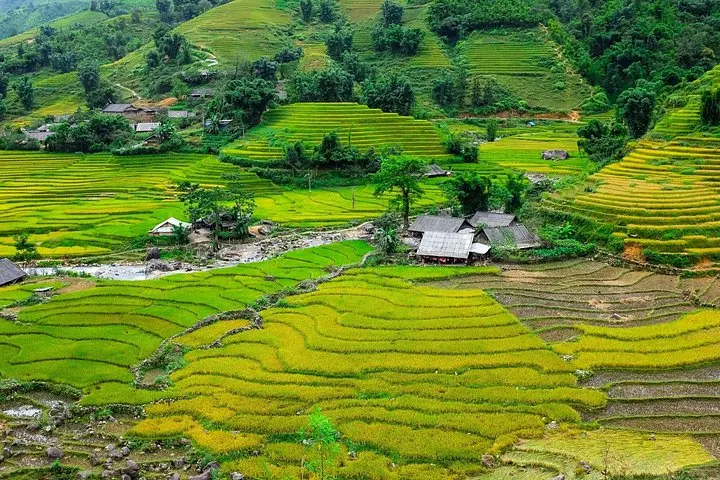


A morning mist lifts off the rice terraces as the group leaves Sapa town and drops into Muong Hoa valley. Footsteps pass wooden stiles and narrow paths as the valley exhales—rice paddies reflecting sky, a river nudging the trail, and terraces stepping down the hillside like deliberate shelves carved by generations.
A morning mist lifts off the rice terraces as the group leaves Sapa town and drops into Muong Hoa valley. Footsteps pass wooden stiles and narrow paths as the valley exhales—rice paddies reflecting sky, a river nudging the trail, and terraces stepping down the hillside like deliberate shelves carved by generations.
The route follows old footpaths past Y Linh Ho, through Lao Chai and on to Ta Van, where Hmong and Zay communities still farm and live in traditional wooden houses. Geologically the valley is a steep-sided glacial trough cut into metamorphic bedrock; soils on the terrace risers are thin but fertile, supported by careful irrigation that dates back centuries. French explorers first wrote about Sapa’s highlands in the early 20th century; today local guides balance tourism income with village life.
Expect 11–12 km of walking, roughly 200–300 m of cumulative ascent and descent, and about six hours on trail. Surfaces vary from packed dirt and stone to muddy rice-track after rain; the guide arranges lunch in a village restaurant and returns travelers to Sapa by car mid-afternoon. Encounters with villagers, small tea houses, and livestock are part of the day—listen, ask before photographing, and accept invitations respectfully.
Practical tips: start at 9:00 when the valley clears, carry layered rain protection, and wear sturdy shoes for slippery steps. Bring small bills to buy snacks or tip the guide. The route suits fit walkers comfortable with uneven terrain and moderate grades; it’s an accessible, culturally rich day trek that rewards steady pace and curiosity.