THE ADVENTURE COLLECTIVE® · Independent discovery and booking for outdoor travel

A four-day guided trek into the Sierra Nevada to reach Ciudad Perdida by way of jungle trails, river crossings and a 1,200-step Tayrona stairway. Expect humid rainforest, basic camps, and deep cultural context with Kogui communities.
A four-day guided trek into the Sierra Nevada to reach Ciudad Perdida by way of jungle trails, river crossings and a 1,200-step Tayrona stairway. Expect humid rainforest, basic camps, and deep cultural context with Kogui communities.
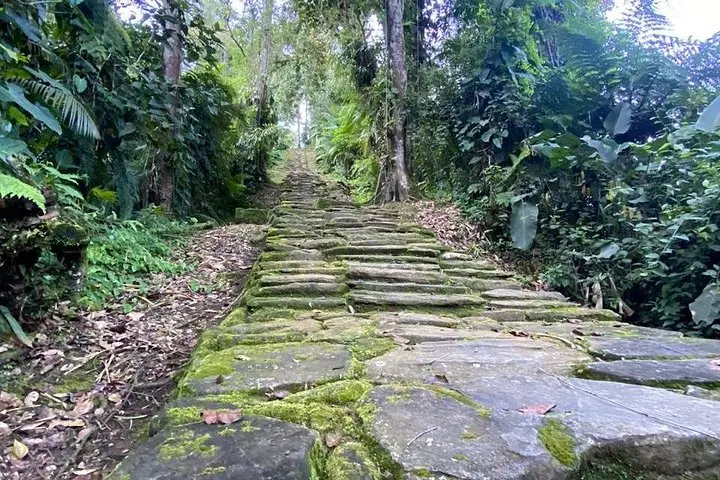
You leave Santa Marta before dawn; a battered 4x4 shudders up the rutted road to Mamey and the jungle closes around you like a living wall. On day three the trail narrows into the ancient Tayrona stairway—1,200 stone steps hewn into the slope—each step a granular reminder that this place predates Machu Picchu by centuries.
Verified experiences and guided adventures in the surrounding area.
Operated by Ecosierra Perdida Tours · Santa Marta, Magdalena
You leave Santa Marta before dawn; a battered 4x4 shudders up the rutted road to Mamey and the jungle closes around you like a living wall. On day three the trail narrows into the ancient Tayrona stairway—1,200 stone steps hewn into the slope—each step a granular reminder that this place predates Machu Picchu by centuries.
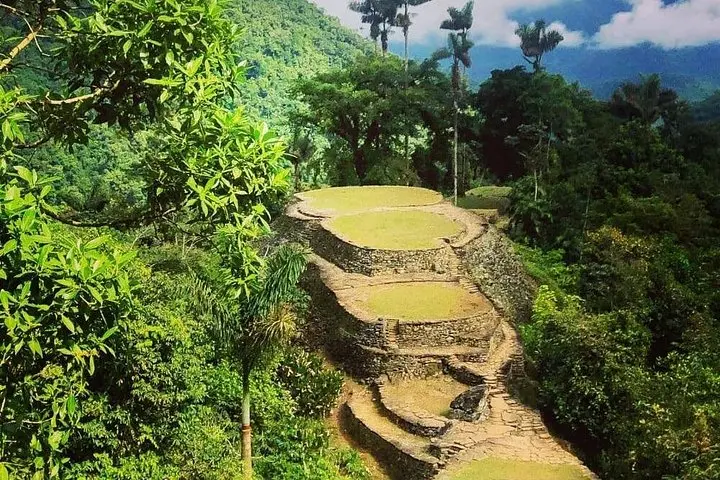
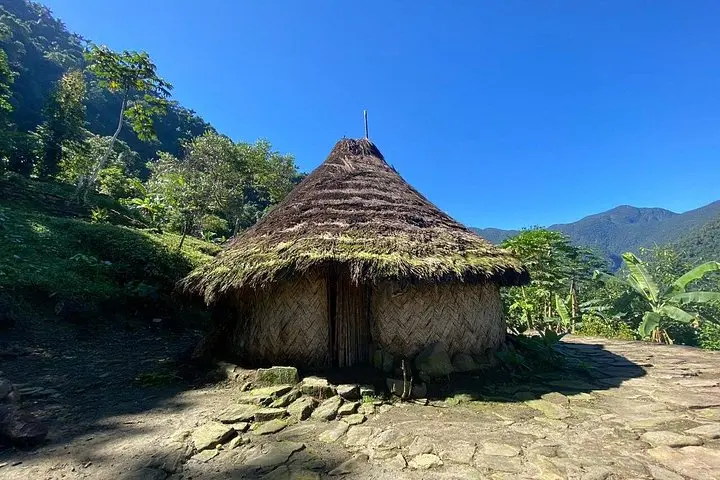
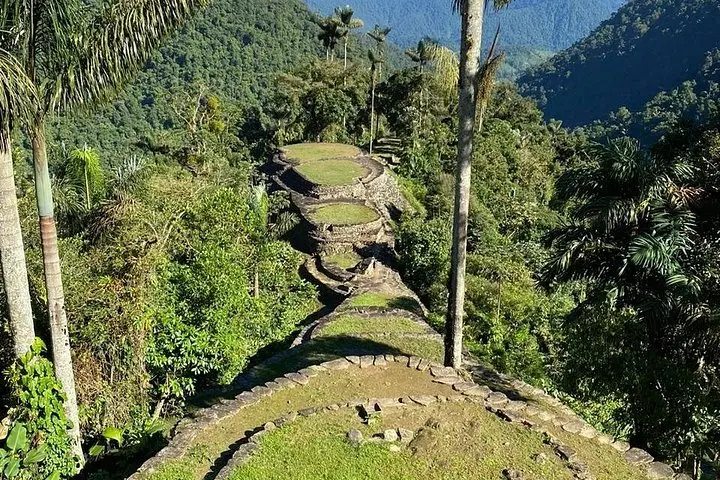
The Lost City (Ciudad Perdida or Teyuna) sits on mountain terraces cut into the Sierra Nevada de Santa Marta, one of the world's highest coastal ranges. The geology creates steep ridges, fast rivers and a mosaic of microclimates that feed dense rainforest. The Tayrona engineered tiled paths and circular plazas; the ruins are more a sequence of terraces than a single structure, and Kogui and Arhuaco communities still live in the surrounding valleys.
Expect jungle terrain: muddy trails, river crossings, humid heat and sudden showers. Camps are basic—hammocks or beds at communal sites—with hot meals included. Each hiking day can run 4–8 hours; the big moment is the pre-dawn climb of the stone stairway to the city where a guide explains the terraces, petroglyphs and ancestral practices.
Practical edge: carry good waterproof footwear, a lightweight rain jacket and a 2–3L hydration system. Protect electronics in dry bags and bring cash for tips and small purchases in villages. Travel with a licensed guide, respect local customs, and plan buffer time in Santa Marta for the land transfer. The Lost City is raw, immersive and demanding—reward is in the slow reveal of ancient stone among the trees.
The stairway is steep and sustained but not technical; expect an aerobic climb that takes steady pacing—guides schedule it early and allow rest stops.
No technical experience is required, but you should be comfortable hiking several hours a day on uneven, muddy trails and carrying a daypack.
Yes—access to Ciudad Perdida is managed and visits are only permitted with licensed local guides as part of organized tours to protect the site and surrounding communities.
Camps are rustic with hammock or basic bed options; meals are simple, locally prepared dishes included in the tour price.
Ecosierra Perdida Tours operates guided outdoor trips and adventures with an emphasis on safety, stewardship, and memorable experiences.
You leave Santa Marta before dawn; a battered 4x4 shudders up the rutted road to Mamey and the jungle closes around you like a living wall. On day three the trail narrows into the ancient Tayrona stairway—1,200 stone steps hewn into the slope—each step a granular reminder that this place predates Machu Picchu by centuries.
You leave Santa Marta before dawn; a battered 4x4 shudders up the rutted road to Mamey and the jungle closes around you like a living wall. On day three the trail narrows into the ancient Tayrona stairway—1,200 stone steps hewn into the slope—each step a granular reminder that this place predates Machu Picchu by centuries.
The Lost City (Ciudad Perdida or Teyuna) sits on mountain terraces cut into the Sierra Nevada de Santa Marta, one of the world's highest coastal ranges. The geology creates steep ridges, fast rivers and a mosaic of microclimates that feed dense rainforest. The Tayrona engineered tiled paths and circular plazas; the ruins are more a sequence of terraces than a single structure, and Kogui and Arhuaco communities still live in the surrounding valleys.
Expect jungle terrain: muddy trails, river crossings, humid heat and sudden showers. Camps are basic—hammocks or beds at communal sites—with hot meals included. Each hiking day can run 4–8 hours; the big moment is the pre-dawn climb of the stone stairway to the city where a guide explains the terraces, petroglyphs and ancestral practices.
Practical edge: carry good waterproof footwear, a lightweight rain jacket and a 2–3L hydration system. Protect electronics in dry bags and bring cash for tips and small purchases in villages. Travel with a licensed guide, respect local customs, and plan buffer time in Santa Marta for the land transfer. The Lost City is raw, immersive and demanding—reward is in the slow reveal of ancient stone among the trees.