THE ADVENTURE COLLECTIVE® · Independent discovery and booking for outdoor travel

Trek the Short Inca Trail from Cusco to Pisac for a day of terraces, Sun Temple ruins and a hands-on pottery workshop in Cuyo Chico. This private eight-hour outing pairs archaeology with living Quechua craft—ideal for acclimatized, moderately fit travelers.
Trek the Short Inca Trail from Cusco to Pisac for a day of terraces, Sun Temple ruins and a hands-on pottery workshop in Cuyo Chico. This private eight-hour outing pairs archaeology with living Quechua craft—ideal for acclimatized, moderately fit travelers.
You step out of the van while the valley air pins your breath—thin, cool, and sharpened by distant snow. A narrow path snakes up through terraces, and stone walls lean into the slope like careful hands. The Short Inca Trail threads past agricultural platforms and the Sun Temple’s carved stones, then descends toward Pisac’s bright market and the low clay kilns of Cuyo Chico.
Verified experiences and guided adventures in the surrounding area.
Operated by Peru4Fun Servicios Turísticos EIRL · Pisac, Cusco
You step out of the van while the valley air pins your breath—thin, cool, and sharpened by distant snow. A narrow path snakes up through terraces, and stone walls lean into the slope like careful hands. The Short Inca Trail threads past agricultural platforms and the Sun Temple’s carved stones, then descends toward Pisac’s bright market and the low clay kilns of Cuyo Chico.
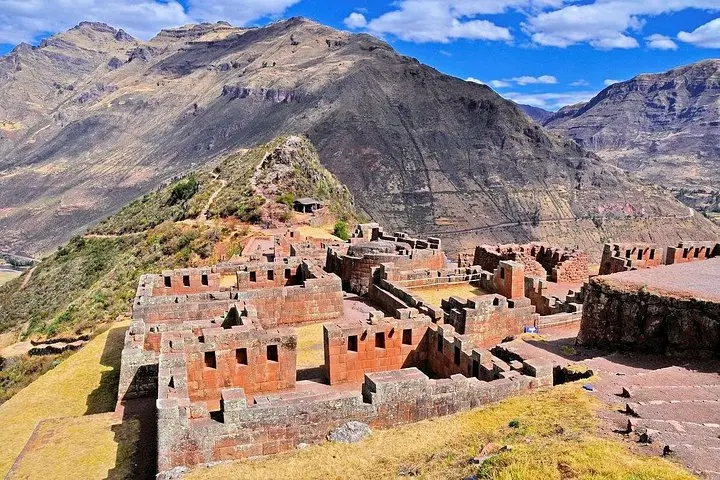
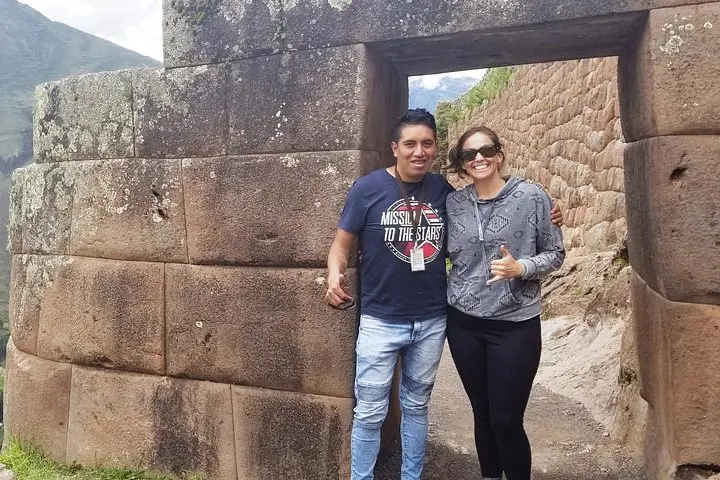
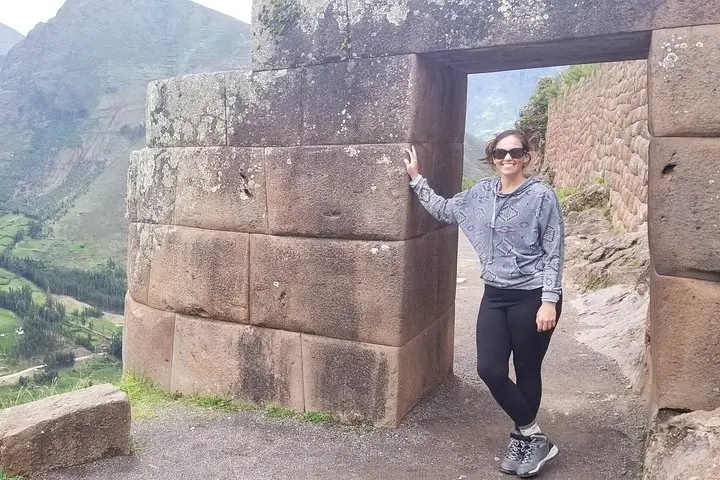
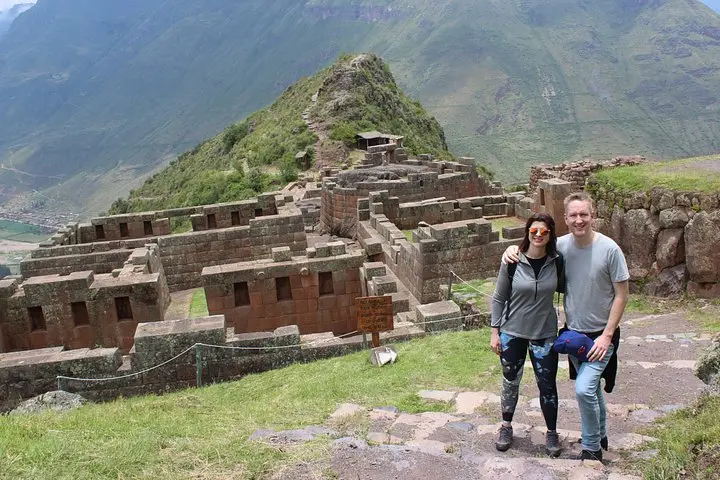
The ruins at Pisac combine ritual architecture, defensive walls and high cemetery terraces; one doorway still carries the name Amaru Punku, the ‘Door of the Snakes.’ Geologically, the Sacred Valley is a river-carved trough in the eastern Andes where glacial action and tectonic uplift expose banded volcanic and sedimentary rocks—these raw forms were shaped and then reworked by Inca builders. The market and workshops of Pisac keep centuries-old Quechua craftsmanship alive: textiles and ceramics follow patterns and pigments with clear lineage to pre-Columbian practice.
On a practical level this private, eight-hour trek from Cusco requires moderate fitness and a head for altitude—Cusco sits above 3,300 m and Pisac’s ruins reach similar elevations. Expect uneven stone steps, loose scree on approach ramps, and sunny exposed stretches; mornings bring the clearest light for photography, while afternoons are better for the pottery session when the market cools. Bring water, sun protection and layered clothing; wear sturdy footwear with good traction for Inca stone and terraced slopes. Travelers should also be mindful of local customs: buying from village artisans and following marked trails helps sustain the community and preserve fragile ruins.
Moderate: several hours of hiking with stone steps and elevation changes; good for those with a basic level of fitness and acclimatization.
Yes — this private tour typically includes admission fees and guided access to the main archaeological sectors.
Yes — most workshops let you shape and decorate a piece to take home; drying/firing timelines vary, so check whether pickup or postal delivery is arranged.
Yes — itineraries usually schedule a market visit after the ruins, with time to browse textiles, ceramics and local produce.
Peru4Fun Servicios Turísticos EIRL operates guided outdoor trips and adventures with an emphasis on safety, stewardship, and memorable experiences.
You step out of the van while the valley air pins your breath—thin, cool, and sharpened by distant snow. A narrow path snakes up through terraces, and stone walls lean into the slope like careful hands. The Short Inca Trail threads past agricultural platforms and the Sun Temple’s carved stones, then descends toward Pisac’s bright market and the low clay kilns of Cuyo Chico.
You step out of the van while the valley air pins your breath—thin, cool, and sharpened by distant snow. A narrow path snakes up through terraces, and stone walls lean into the slope like careful hands. The Short Inca Trail threads past agricultural platforms and the Sun Temple’s carved stones, then descends toward Pisac’s bright market and the low clay kilns of Cuyo Chico.
The ruins at Pisac combine ritual architecture, defensive walls and high cemetery terraces; one doorway still carries the name Amaru Punku, the ‘Door of the Snakes.’ Geologically, the Sacred Valley is a river-carved trough in the eastern Andes where glacial action and tectonic uplift expose banded volcanic and sedimentary rocks—these raw forms were shaped and then reworked by Inca builders. The market and workshops of Pisac keep centuries-old Quechua craftsmanship alive: textiles and ceramics follow patterns and pigments with clear lineage to pre-Columbian practice.
On a practical level this private, eight-hour trek from Cusco requires moderate fitness and a head for altitude—Cusco sits above 3,300 m and Pisac’s ruins reach similar elevations. Expect uneven stone steps, loose scree on approach ramps, and sunny exposed stretches; mornings bring the clearest light for photography, while afternoons are better for the pottery session when the market cools. Bring water, sun protection and layered clothing; wear sturdy footwear with good traction for Inca stone and terraced slopes. Travelers should also be mindful of local customs: buying from village artisans and following marked trails helps sustain the community and preserve fragile ruins.