THE ADVENTURE COLLECTIVE® · Independent discovery and booking for outdoor travel
Walk where the High Atlas carves deep red canyons and climb textured sandstone faces above terraced gardens. This guide explains what to expect on a half-day trekking and climbing experience in the Dades Gorges and how to prepare.
Walk where the High Atlas carves deep red canyons and climb textured sandstone faces above terraced gardens. This guide explains what to expect on a half-day trekking and climbing experience in the Dades Gorges and how to prepare.
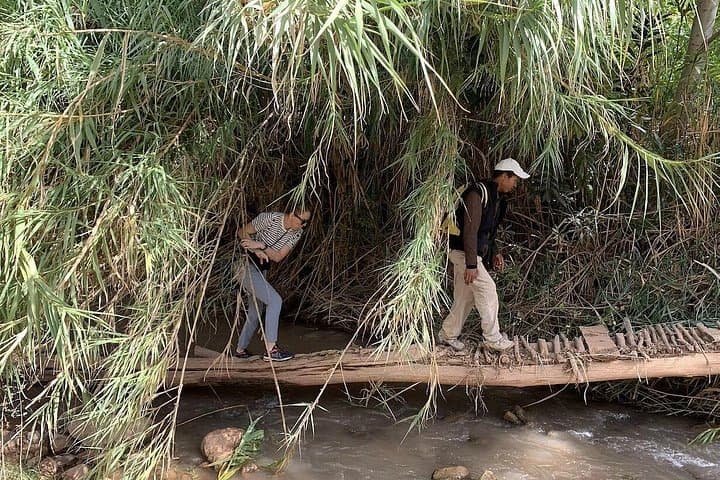
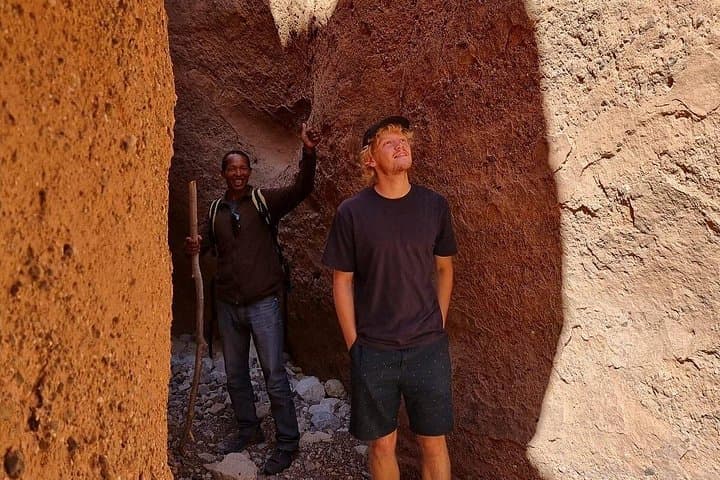
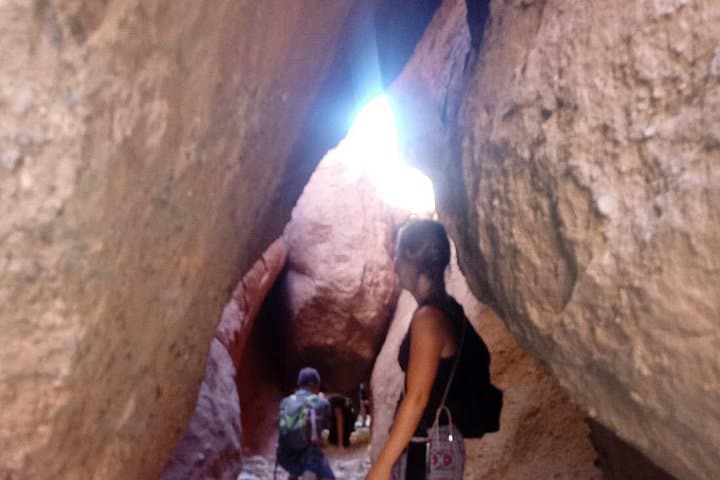
You push through a grove of almond and palm, the air suddenly cooler as the Dades Oued narrows and the canyon walls rise—rock faces catching late-afternoon light like copper plates. Footsteps echo; wind and water shape the passage, daring you to move farther into the valley.
Verified experiences and guided adventures in the surrounding area.
Operated by Morocco Rock Climbing · Boumalne Dades, Drâa-Tafilalet
You push through a grove of almond and palm, the air suddenly cooler as the Dades Oued narrows and the canyon walls rise—rock faces catching late-afternoon light like copper plates. Footsteps echo; wind and water shape the passage, daring you to move farther into the valley.
The Dades Gorges were carved by the High Atlas’s runoff over millennia, exposing layers of sedimentary rock and conglomerate that local Berber communities have lived beside for generations. Kasbahs and terraced gardens mark the valley floor; villages still practice small-scale irrigation and almond cultivation that bloom spectacularly in spring.
Geologically, expect steep walls of reddish sandstone and conglomerate, short steep gullies, and scree slopes between narrow ledges. Climbs here range from short sport routes on textured rock to exposed multi-pitch lines; typical day treks cover 4–8 km with 200–400 m of cumulative elevation gain depending on your chosen route.
On the trail you’ll trade desert heat for pocketed shade: argan and poplar trees offer relief and birds ride the thermals above the cliffs. Guides often include a Berber tea stop—an opportunity to learn local storytelling and seasonal planting cycles.
Practical notes: start early in summer to avoid midday heat, bring 2–3 liters of water, a sturdy pair of approach or hiking shoes with good grip, and sun protection. If you plan to climb, confirm rope systems and helmets are provided or bring certified gear. Respect irrigation channels and private gardens—stay on established paths and pack out waste so the gorge remains both wild and livable.
Guided half-day itineraries typically last about 4–5 hours covering 4–8 km depending on stops and climbs.
There are accessible single-pitch sport routes for beginners with a guide, but multi-pitch and exposed climbs require experience or a certified guide and proper gear.
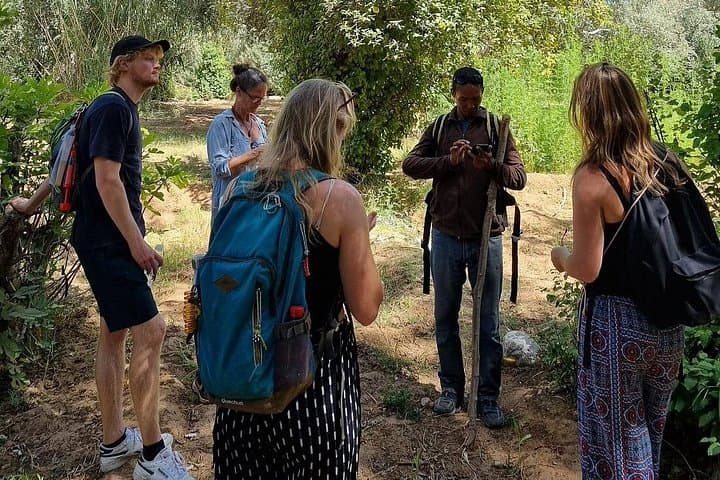
A guide is recommended for route-finding, safety on climbs, and cultural context—many operators include a local Berber guide.
Boumalne Dades is reached by road from Ouarzazate or Tinghir; shared buses and private transfers are common—confirm pickup options with your operator.
Morocco Rock Climbing operates guided outdoor trips and adventures with an emphasis on safety, stewardship, and memorable experiences.
You push through a grove of almond and palm, the air suddenly cooler as the Dades Oued narrows and the canyon walls rise—rock faces catching late-afternoon light like copper plates. Footsteps echo; wind and water shape the passage, daring you to move farther into the valley.
You push through a grove of almond and palm, the air suddenly cooler as the Dades Oued narrows and the canyon walls rise—rock faces catching late-afternoon light like copper plates. Footsteps echo; wind and water shape the passage, daring you to move farther into the valley.
The Dades Gorges were carved by the High Atlas’s runoff over millennia, exposing layers of sedimentary rock and conglomerate that local Berber communities have lived beside for generations. Kasbahs and terraced gardens mark the valley floor; villages still practice small-scale irrigation and almond cultivation that bloom spectacularly in spring.
Geologically, expect steep walls of reddish sandstone and conglomerate, short steep gullies, and scree slopes between narrow ledges. Climbs here range from short sport routes on textured rock to exposed multi-pitch lines; typical day treks cover 4–8 km with 200–400 m of cumulative elevation gain depending on your chosen route.
On the trail you’ll trade desert heat for pocketed shade: argan and poplar trees offer relief and birds ride the thermals above the cliffs. Guides often include a Berber tea stop—an opportunity to learn local storytelling and seasonal planting cycles.
Practical notes: start early in summer to avoid midday heat, bring 2–3 liters of water, a sturdy pair of approach or hiking shoes with good grip, and sun protection. If you plan to climb, confirm rope systems and helmets are provided or bring certified gear. Respect irrigation channels and private gardens—stay on established paths and pack out waste so the gorge remains both wild and livable.
