THE ADVENTURE COLLECTIVE® · Independent discovery and booking for outdoor travel

A six-day traverse across the eastern flank of Mercedario, this trek combines turquoise glacial streams, high camps, and a long summit-day to the Balcón de los Seismiles. Expect steep gains, moraine walking, and panoramic views across Argentina's central Andes.
A six-day traverse across the eastern flank of Mercedario, this trek combines turquoise glacial streams, high camps, and a long summit-day to the Balcón de los Seismiles. Expect steep gains, moraine walking, and panoramic views across Argentina's central Andes.
The high desert opens like a page turned by wind: stony ridges, a stubborn ribbon of turquoise water, and a line of peaks that climb until the air tastes thin. You meet the trip in Barreal, where a last cup of coffee and the guide’s gear-check are the final gestures before the road climbs through the Valle del Río Los Patos. From the vehicle the landscape changes fast—cactus and scrub give way to grey scree and then to moraine and permanent snow. By the second day you’re pitching tents at Laguna Blanca (≈3,100 m), waiting as mules shoulder the heavy loads and the sky grows cold and clear.
Verified experiences and guided adventures in the surrounding area.
Operated by Posta Inca Adventures Expeditions · Barreal, San Juan
The high desert opens like a page turned by wind: stony ridges, a stubborn ribbon of turquoise water, and a line of peaks that climb until the air tastes thin. You meet the trip in Barreal, where a last cup of coffee and the guide’s gear-check are the final gestures before the road climbs through the Valle del Río Los Patos. From the vehicle the landscape changes fast—cactus and scrub give way to grey scree and then to moraine and permanent snow. By the second day you’re pitching tents at Laguna Blanca (≈3,100 m), waiting as mules shoulder the heavy loads and the sky grows cold and clear.
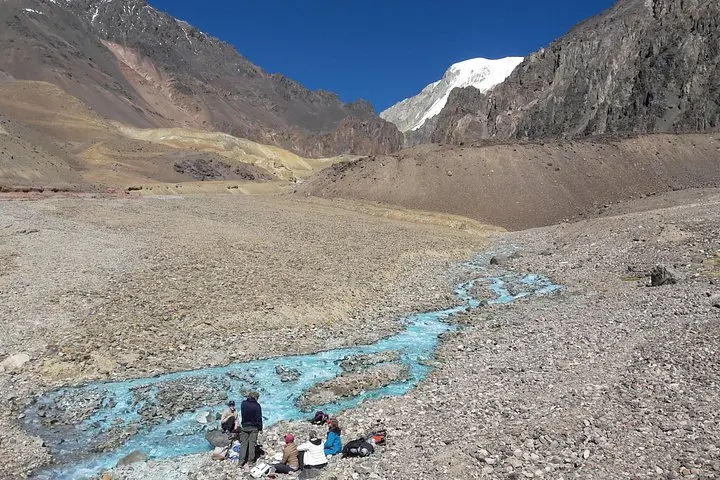
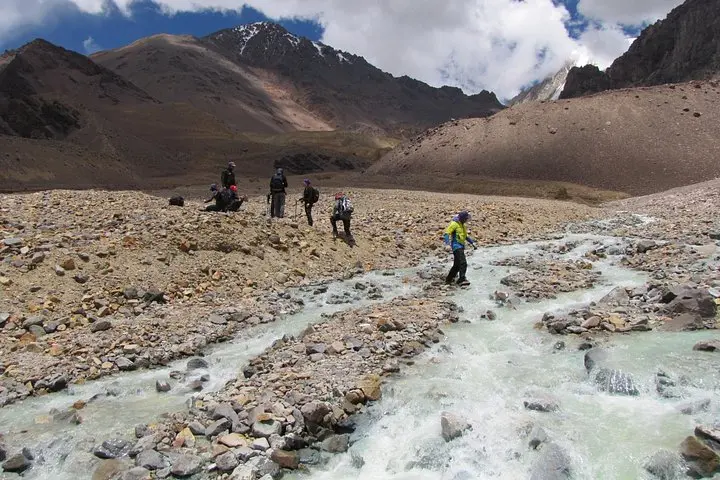
This traverse follows routes first explored by Polish mountaineers more than eighty years ago, the same teams behind early ascents in the central Andes. Geologically, you’re moving along the eastern flank of the high Cordillera: uplifted sedimentary beds overturned by tectonic pressure, glaciers scouring bowls and leaving behind glacially milled valleys. The turquoise hue of the Arroyo Turquesa comes from mineral-rich meltwater—suspended glacial flour that catches the light and dares you to step closer.
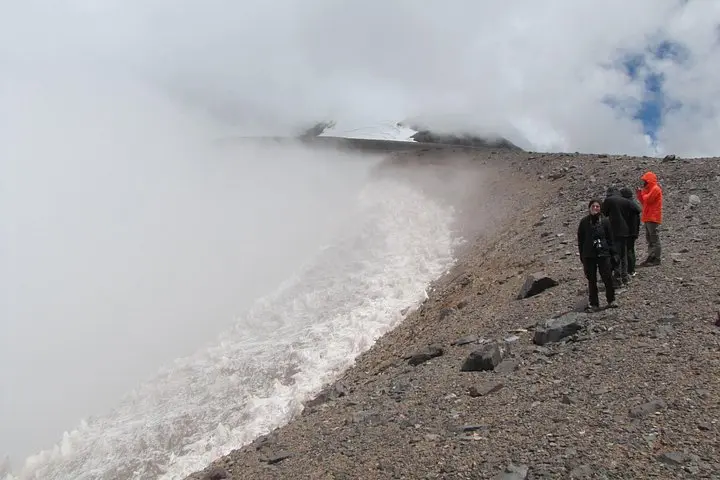
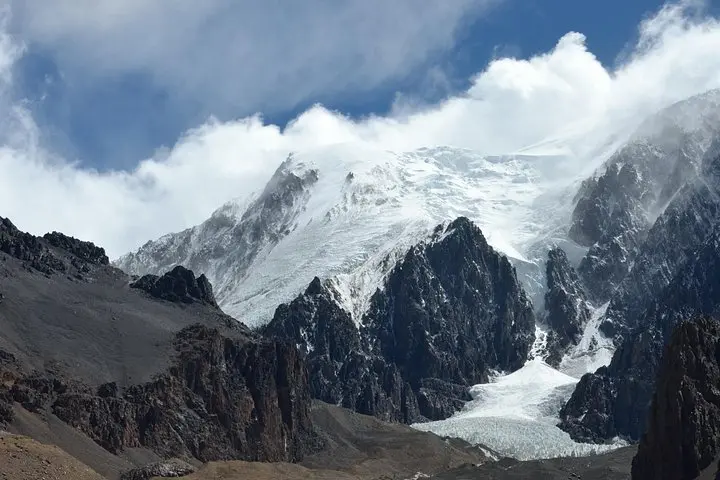
The itinerary balances acclimatization and ambition. Camp Guanaquitos sits around 3,550 m and is base for day hikes to the Mirador del Glaciar del Caballito—a compact, moraine-lined cirque where ice clings to steep walls—and for the longer push to the Balcón de los Seismiles. From the base to the Balcón you can expect roughly 1,200–1,300 m of elevation gain; it’s a long, high day (6–9 hours) over mixed terrain: hard-packed trail, loose scree, and wind-exposed ridgelines. The payoff is immediate: a panoramic bowl exposing Mercedario, Pico Polaco, La Mesa and the Ramada massif, and a view down into the Río Colorado valley rimmed by glaciers.
Practical edges matter here. Weather swings quickly; strong sun, biting wind, and cold nights are normal. Guides run group logistics—mules, meals (breakfasts, four lunches, five dinners on the trip), and safety—but you are expected to carry a daypack, know basic camp etiquette and be fit for sustained high-altitude trekking. The route isn’t technical climbing, but altitude makes it demanding.
Plan for thorough acclimatization, layered clothing, high-SPF sun protection, and boots that perform on scree. Respect water sources and pack out waste; these high-plateau ecosystems are thin and slow to recover. For travelers willing to spend six days above tree line, the reward is raw, immediate Andes—icy blue water daring you forward, peaks that command attention, and nights under a sky that makes altitude feel like a private country.
Minimum age is 13; all minors must be accompanied by an adult.
Yes—a current, valid passport is required on the day of travel for registration and logistics.
No technical climbing equipment is required for the Balcón route described, but the ascent involves significant altitude and exposed sections—experience in high-altitude trekking is important.
Expect up to ~1,200–1,300 m of ascent on the Balcón day; gradual acclimatization days are built into the itinerary to reduce altitude sickness risk.
Yes: breakfasts, lunches and dinners are included as listed in the itinerary, along with hotel pickup and 4x4 transfers between Barreal and Laguna Blanca.
Full refund available if you cancel at least 24 hours before departure; see booking terms for details.
Posta Inca Adventures Expeditions operates guided outdoor trips and adventures with an emphasis on safety, stewardship, and memorable experiences.
The high desert opens like a page turned by wind: stony ridges, a stubborn ribbon of turquoise water, and a line of peaks that climb until the air tastes thin. You meet the trip in Barreal, where a last cup of coffee and the guide’s gear-check are the final gestures before the road climbs through the Valle del Río Los Patos. From the vehicle the landscape changes fast—cactus and scrub give way to grey scree and then to moraine and permanent snow. By the second day you’re pitching tents at Laguna Blanca (≈3,100 m), waiting as mules shoulder the heavy loads and the sky grows cold and clear.
The high desert opens like a page turned by wind: stony ridges, a stubborn ribbon of turquoise water, and a line of peaks that climb until the air tastes thin. You meet the trip in Barreal, where a last cup of coffee and the guide’s gear-check are the final gestures before the road climbs through the Valle del Río Los Patos. From the vehicle the landscape changes fast—cactus and scrub give way to grey scree and then to moraine and permanent snow. By the second day you’re pitching tents at Laguna Blanca (≈3,100 m), waiting as mules shoulder the heavy loads and the sky grows cold and clear.
This traverse follows routes first explored by Polish mountaineers more than eighty years ago, the same teams behind early ascents in the central Andes. Geologically, you’re moving along the eastern flank of the high Cordillera: uplifted sedimentary beds overturned by tectonic pressure, glaciers scouring bowls and leaving behind glacially milled valleys. The turquoise hue of the Arroyo Turquesa comes from mineral-rich meltwater—suspended glacial flour that catches the light and dares you to step closer.
The itinerary balances acclimatization and ambition. Camp Guanaquitos sits around 3,550 m and is base for day hikes to the Mirador del Glaciar del Caballito—a compact, moraine-lined cirque where ice clings to steep walls—and for the longer push to the Balcón de los Seismiles. From the base to the Balcón you can expect roughly 1,200–1,300 m of elevation gain; it’s a long, high day (6–9 hours) over mixed terrain: hard-packed trail, loose scree, and wind-exposed ridgelines. The payoff is immediate: a panoramic bowl exposing Mercedario, Pico Polaco, La Mesa and the Ramada massif, and a view down into the Río Colorado valley rimmed by glaciers.
Practical edges matter here. Weather swings quickly; strong sun, biting wind, and cold nights are normal. Guides run group logistics—mules, meals (breakfasts, four lunches, five dinners on the trip), and safety—but you are expected to carry a daypack, know basic camp etiquette and be fit for sustained high-altitude trekking. The route isn’t technical climbing, but altitude makes it demanding.
Plan for thorough acclimatization, layered clothing, high-SPF sun protection, and boots that perform on scree. Respect water sources and pack out waste; these high-plateau ecosystems are thin and slow to recover. For travelers willing to spend six days above tree line, the reward is raw, immediate Andes—icy blue water daring you forward, peaks that command attention, and nights under a sky that makes altitude feel like a private country.