THE ADVENTURE COLLECTIVE® · Independent discovery and booking for outdoor travel

Stand beneath Chimborazo’s vast cone and feel how altitude shapes every step. This 8‑hour trekking experience from Riobamba highlights the volcano’s unique geology, high‑altitude ecology, and practical considerations for a safe, rewarding mountain day.
Stand beneath Chimborazo’s vast cone and feel how altitude shapes every step. This 8‑hour trekking experience from Riobamba highlights the volcano’s unique geology, high‑altitude ecology, and practical considerations for a safe, rewarding mountain day.
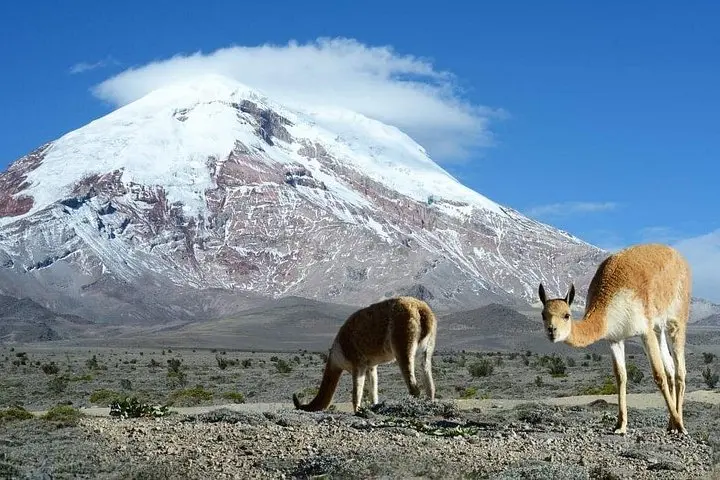
Wind cuts thin and bright across the high plains as you step from the van and take your first look at Chimborazo, a broad, glacial-capped cone rising above puna grasslands.
Verified experiences and guided adventures in the surrounding area.
Operated by Special holiday offer. Best of Ecuador | Tour Operator - Explorjungle · Riobamba, Chimborazo
Wind cuts thin and bright across the high plains as you step from the van and take your first look at Chimborazo, a broad, glacial-capped cone rising above puna grasslands.
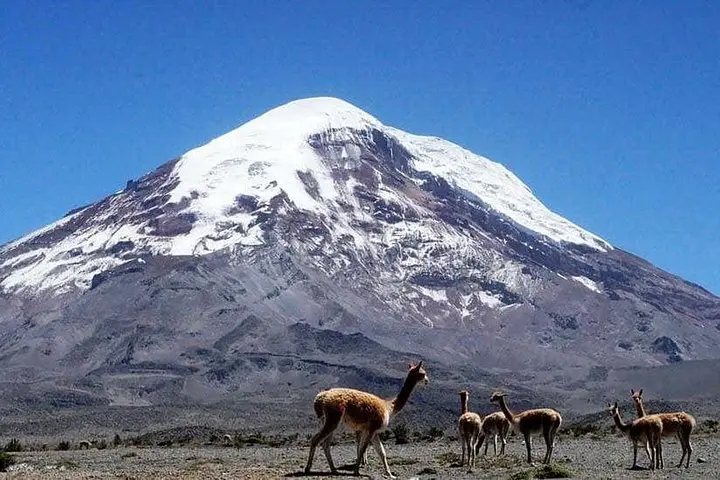
The mountain is the highest volcano in Ecuador (6,263 m / 20,548 ft) and, thanks to the equatorial bulge, its summit is the point on Earth farthest from the planet’s center — a geographic quirk that turns altitude into a tangible presence. The flanks are sculpted from andesitic layers laid down in eruptions and later carved by ice; below the snowline, Polylepis groves and tussock grasses host Quechua communities whose livestock — including the region's famed vicuñas — graze the slopes.
Historically the peaks have framed Andean life for millennia and today blend cultural shepherding with scientific interest: glaciers here are retreating faster than before, altering water cycles for downstream valleys.
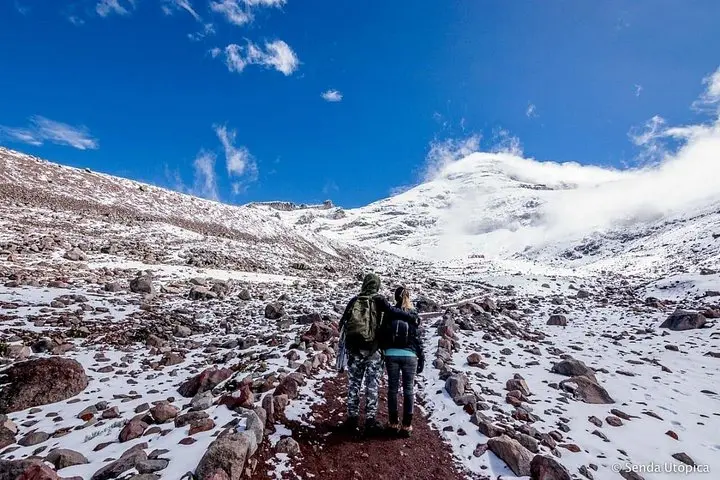
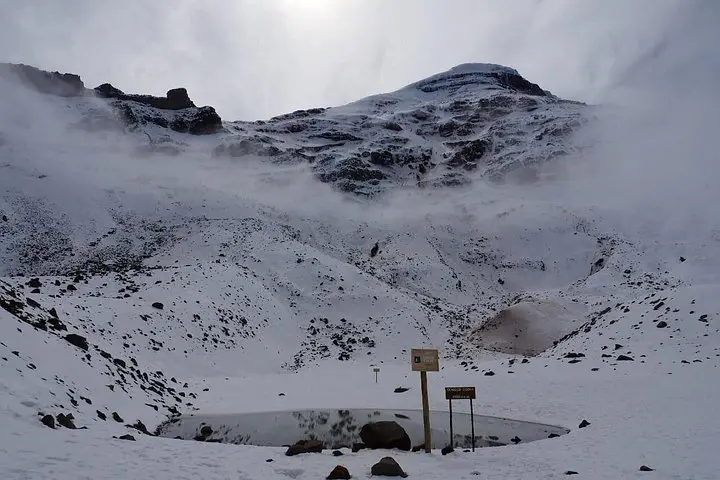
On a day trek or guided mountaineering push expect a mix of rocky trails, steep scree, and possible snow or ice near the higher camps. The tour typically includes transport from Riobamba, a boxed lunch, and a guided approach to a high camp or viewpoint; summit attempts require technical gear and acclimatization.
Plan for rapid weather changes and strong sun — the mountain gives no quarter. Hydrate early, move deliberately to counter altitude, and hire guides for glacier travel. Sturdy boots, layered insulation, sun protection, and basic crampons if you push above 5,000 m will make the difference between a memorable ascent and an uncomfortable retreat.
This itinerary runs about 8 hours roundtrip from Riobamba, including transport and a guided approach to high viewpoints or refugio level; summit bids take longer and usually require additional acclimatization.
Guides are strongly recommended for safety, route-finding, and glacier travel; permits are managed locally for protected areas — your operator usually handles logistics.
Clear mornings are common in the dry season, but afternoons can bring high winds, rain or snow; temperatures swing wildly between sun and shade.
Day treks to lower viewpoints are accessible to fit beginners with acclimatization, but summit attempts demand mountaineering experience and technical gear.
Special holiday offer. Best of Ecuador | Tour Operator - Explorjungle operates guided outdoor trips and adventures with an emphasis on safety, stewardship, and memorable experiences.
Wind cuts thin and bright across the high plains as you step from the van and take your first look at Chimborazo, a broad, glacial-capped cone rising above puna grasslands.
Wind cuts thin and bright across the high plains as you step from the van and take your first look at Chimborazo, a broad, glacial-capped cone rising above puna grasslands.
The mountain is the highest volcano in Ecuador (6,263 m / 20,548 ft) and, thanks to the equatorial bulge, its summit is the point on Earth farthest from the planet’s center — a geographic quirk that turns altitude into a tangible presence. The flanks are sculpted from andesitic layers laid down in eruptions and later carved by ice; below the snowline, Polylepis groves and tussock grasses host Quechua communities whose livestock — including the region's famed vicuñas — graze the slopes.
Historically the peaks have framed Andean life for millennia and today blend cultural shepherding with scientific interest: glaciers here are retreating faster than before, altering water cycles for downstream valleys.
On a day trek or guided mountaineering push expect a mix of rocky trails, steep scree, and possible snow or ice near the higher camps. The tour typically includes transport from Riobamba, a boxed lunch, and a guided approach to a high camp or viewpoint; summit attempts require technical gear and acclimatization.
Plan for rapid weather changes and strong sun — the mountain gives no quarter. Hydrate early, move deliberately to counter altitude, and hire guides for glacier travel. Sturdy boots, layered insulation, sun protection, and basic crampons if you push above 5,000 m will make the difference between a memorable ascent and an uncomfortable retreat.