THE ADVENTURE COLLECTIVE® · Independent discovery and booking for outdoor travel

Enter Sinharaja at dawn with a naturalist and trade city noise for layered rainforest sound. This guided trek focuses on endemic birds, rare plants and the dense lowland forest that earned UNESCO protection.
Enter Sinharaja at dawn with a naturalist and trade city noise for layered rainforest sound. This guided trek focuses on endemic birds, rare plants and the dense lowland forest that earned UNESCO protection.
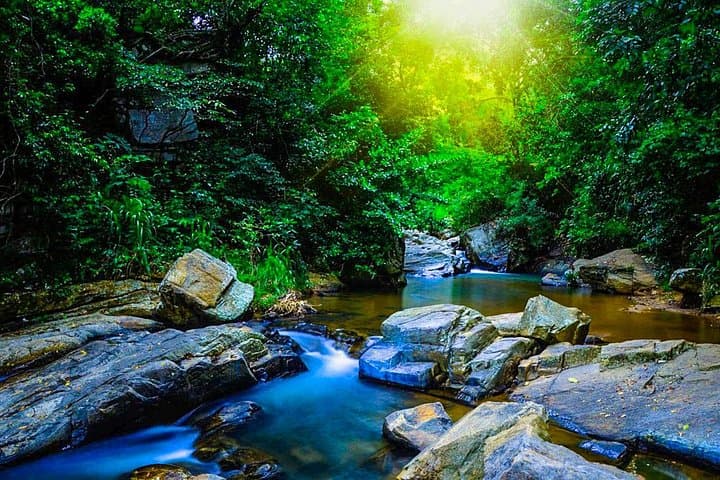
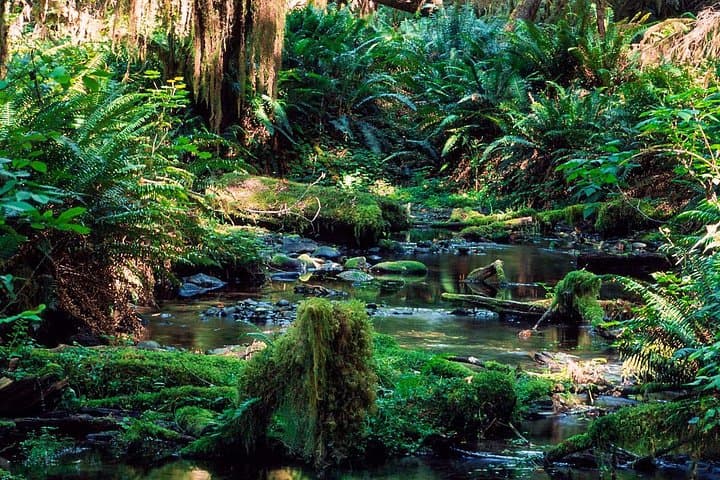
You step through a narrow curtain of vines and the world hushes—the rainforest closes in, moisture clinging to leaves and the air alive with high-pitched calls. A local naturalist leads the way, machete at the ready to part ferns, while light bands sluice through the canopy and the trail alternates between soft leaf litter and exposed roots. Birdsong directs your gaze: flashes of color, an unseen movement that the guide names before you find it.
Verified experiences and guided adventures in the surrounding area.
Operated by Lakpura LLC · Deniyaya, Southern Province
You step through a narrow curtain of vines and the world hushes—the rainforest closes in, moisture clinging to leaves and the air alive with high-pitched calls. A local naturalist leads the way, machete at the ready to part ferns, while light bands sluice through the canopy and the trail alternates between soft leaf litter and exposed roots. Birdsong directs your gaze: flashes of color, an unseen movement that the guide names before you find it.
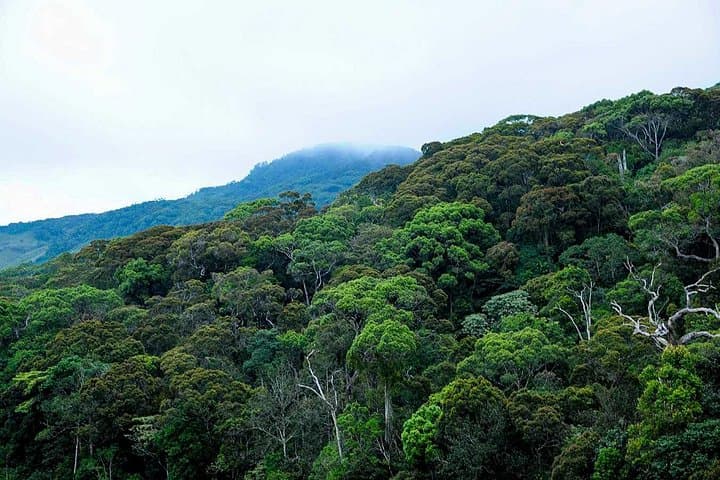
Sinharaja is Sri Lanka’s last substantial lowland rainforest and a UNESCO World Heritage Site noted for extreme endemism. Geologically it sits in the wet-zone foothills where ancient soils and high rainfall built the dense, multi-layered forest you walk today. Culturally, nearby villages have long harvested forest products and now host guides whose knowledge of birds, butterflies and medicinal plants makes each outing richer.
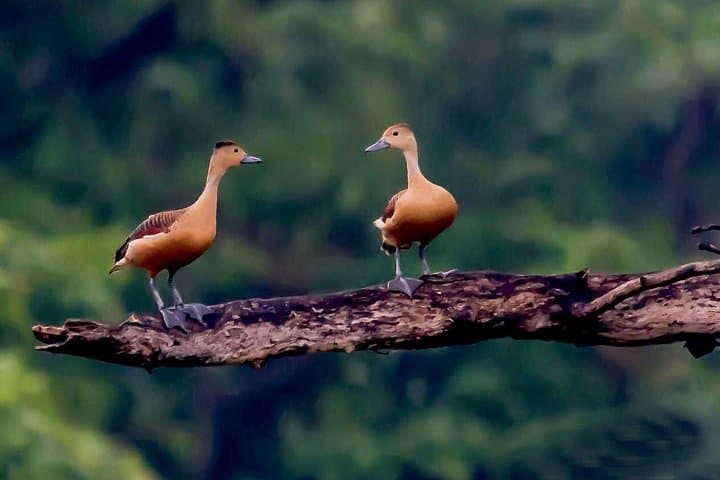
Expect a hands-on natural history lesson—your guide will point out endemic trees, frogs, and the Sri Lanka blue magpie among 20+ specialty birds often seen on dawn treks. Trails are singletrack, sometimes steep and slick after rain; the rhythm of the hike is punctuated by short, sharp climbs and flat, moist gullies alive with insect noise.
Practical notes: tours commonly start at 6:00 a.m., run about six hours, and include light refreshments but not heavy meals. Carry a full water bottle, wear sturdy, grippy shoes, and bring a waterproof layer and binoculars. Start early for best birding, respect quiet zones, and follow your guide’s path to minimize disturbance—here patience rewards you with close encounters rather than spectacle.
Typical guided treks are about six hours on singletrack trails with short steep sections; overall difficulty is moderate and suitable for those with basic hiking experience.
Leopards are present but extremely elusive; sightings are rare—this trek is best for birding and plant life rather than guaranteed large-mammal encounters.
Entry fees to the Sinharaja reserve and payment for a certified naturalist guide are standard; these are usually arranged by the tour operator but confirm before booking.
Yes—during the southwest monsoon and inter-monsoonal rains trails can be very muddy and slippery, so waterproof gear and good footwear are important.
Lakpura LLC operates guided outdoor trips and adventures with an emphasis on safety, stewardship, and memorable experiences.
You step through a narrow curtain of vines and the world hushes—the rainforest closes in, moisture clinging to leaves and the air alive with high-pitched calls. A local naturalist leads the way, machete at the ready to part ferns, while light bands sluice through the canopy and the trail alternates between soft leaf litter and exposed roots. Birdsong directs your gaze: flashes of color, an unseen movement that the guide names before you find it.
You step through a narrow curtain of vines and the world hushes—the rainforest closes in, moisture clinging to leaves and the air alive with high-pitched calls. A local naturalist leads the way, machete at the ready to part ferns, while light bands sluice through the canopy and the trail alternates between soft leaf litter and exposed roots. Birdsong directs your gaze: flashes of color, an unseen movement that the guide names before you find it.
Sinharaja is Sri Lanka’s last substantial lowland rainforest and a UNESCO World Heritage Site noted for extreme endemism. Geologically it sits in the wet-zone foothills where ancient soils and high rainfall built the dense, multi-layered forest you walk today. Culturally, nearby villages have long harvested forest products and now host guides whose knowledge of birds, butterflies and medicinal plants makes each outing richer.
Expect a hands-on natural history lesson—your guide will point out endemic trees, frogs, and the Sri Lanka blue magpie among 20+ specialty birds often seen on dawn treks. Trails are singletrack, sometimes steep and slick after rain; the rhythm of the hike is punctuated by short, sharp climbs and flat, moist gullies alive with insect noise.
Practical notes: tours commonly start at 6:00 a.m., run about six hours, and include light refreshments but not heavy meals. Carry a full water bottle, wear sturdy, grippy shoes, and bring a waterproof layer and binoculars. Start early for best birding, respect quiet zones, and follow your guide’s path to minimize disturbance—here patience rewards you with close encounters rather than spectacle.