THE ADVENTURE COLLECTIVE® · Independent discovery and booking for outdoor travel

Walk the miners’ paths from Nebida to Masua, explore Laveria ruins and Porto Flavia, and stop to swim at five secluded beaches. This half‑day coastal trek combines industrial history, dramatic geology, and straightforward trail logistics.
Walk the miners’ paths from Nebida to Masua, explore Laveria ruins and Porto Flavia, and stop to swim at five secluded beaches. This half‑day coastal trek combines industrial history, dramatic geology, and straightforward trail logistics.
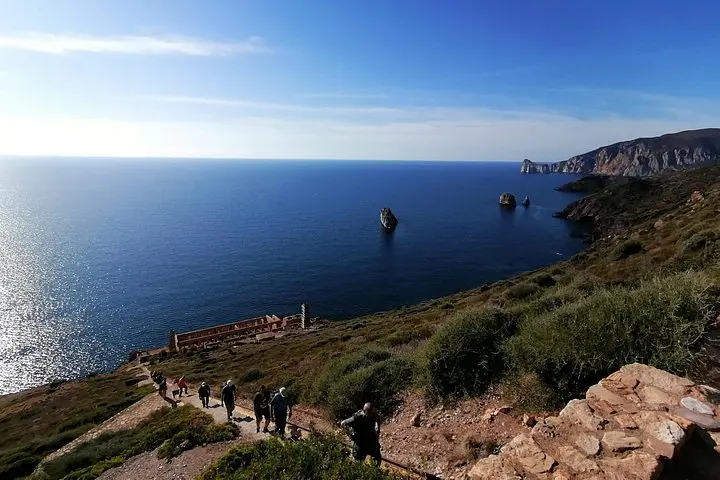
The cliff breathes salt and mineral dust as you step onto the trail above the Tyrrhenian; wind tugs at your sleeves and the sea dares you to look over the edge. This trek follows the miner’s tracks between Nebida and Masua, skirting rusted Laveria ruins and vaulted ore chutes that still point to a work-driven past. At several coves the trail drops to pebbled beaches—five in total—where the turquoise pulls you in for a cooling swim.
Verified experiences and guided adventures in the surrounding area.
Operated by sulcis hiking biking trek · Nebida, Sardinia
The cliff breathes salt and mineral dust as you step onto the trail above the Tyrrhenian; wind tugs at your sleeves and the sea dares you to look over the edge. This trek follows the miner’s tracks between Nebida and Masua, skirting rusted Laveria ruins and vaulted ore chutes that still point to a work-driven past. At several coves the trail drops to pebbled beaches—five in total—where the turquoise pulls you in for a cooling swim.
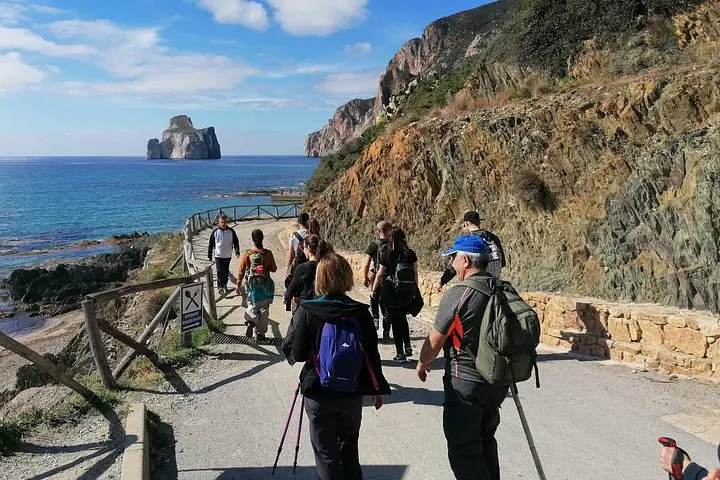
The route traces Sardinia’s 19th–20th century mining story: Laveria Lamarmora and Porto Flavia were engineering answers to moving ore to market, carved into cliffs and rock. Geology here is dramatic — jagged schist and limestone cliffs sculpted by waves, with the iconic Pan di Zucchero sea stack offshore. Local villages reflect a mining culture; guides often pass along miners’ tales and explain how the coastline’s form followed industry.
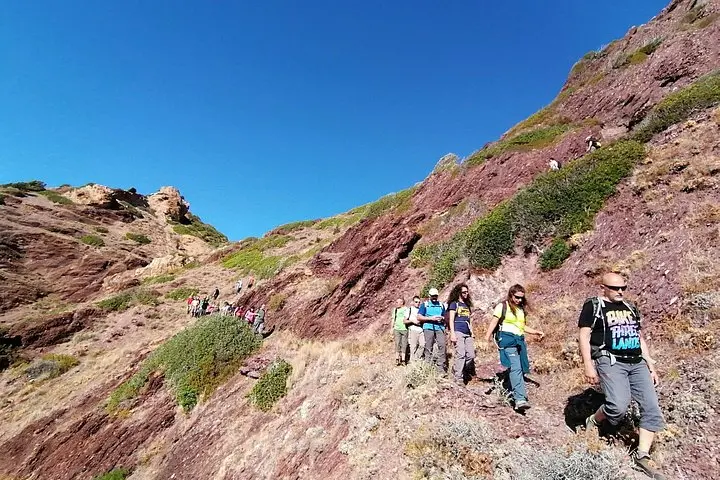
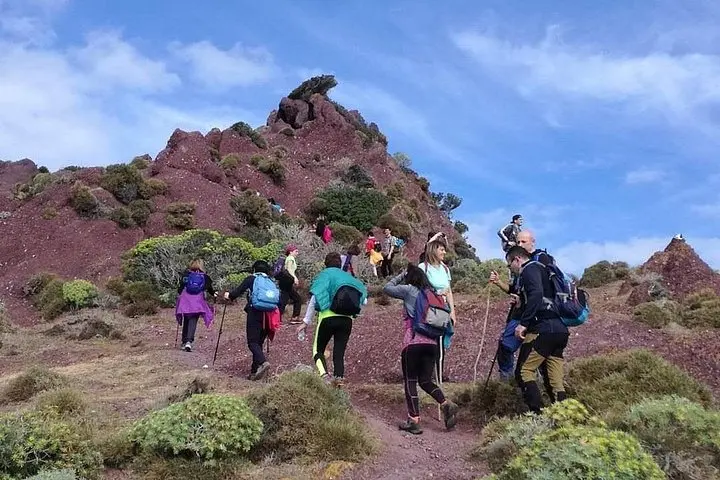
Expect narrow coastal tracks, stone steps, and occasional loose scree. The pace alternates between steady climbs to viewpoints and relaxed shoreline sections for swims and lunch. Bring fresh water, reef-safe sunscreen, and shoes with grip: tides and heat matter. Morning departures avoid stronger winds and crowded beaches; late afternoon light turns cliffs gold and cools the air.
Practicalities: moderate fitness and surefootedness make this most enjoyable. Some sections require care on exposed benches above the sea; guides provide historical context and handle simple logistics. If you want coastal mining history, sea swimming, and rugged Mediterranean scenery in one half‑day adventure, this trek delivers clarity and contrast — landscape that still carries the echo of pickaxes and pulley lines.
The trek is rated moderate—suitable for regular walkers. Some exposed sections and uneven rock require surefootedness, but no technical climbing is needed.
Yes—guides stop at five beaches for swimming; water is generally clear but bring reef shoes for pebbly entry and always check local conditions before entering.
Bring a valid ID, comfortable shoes, sun protection, swimwear, water, and any personal medications; guides provide local safety briefings.
Public transport options exist to the area but meeting points vary—check the booking confirmation and allow extra time for transfers from Iglesias or nearby towns.
sulcis hiking biking trek operates guided outdoor trips and adventures with an emphasis on safety, stewardship, and memorable experiences.
The cliff breathes salt and mineral dust as you step onto the trail above the Tyrrhenian; wind tugs at your sleeves and the sea dares you to look over the edge. This trek follows the miner’s tracks between Nebida and Masua, skirting rusted Laveria ruins and vaulted ore chutes that still point to a work-driven past. At several coves the trail drops to pebbled beaches—five in total—where the turquoise pulls you in for a cooling swim.
The cliff breathes salt and mineral dust as you step onto the trail above the Tyrrhenian; wind tugs at your sleeves and the sea dares you to look over the edge. This trek follows the miner’s tracks between Nebida and Masua, skirting rusted Laveria ruins and vaulted ore chutes that still point to a work-driven past. At several coves the trail drops to pebbled beaches—five in total—where the turquoise pulls you in for a cooling swim.
The route traces Sardinia’s 19th–20th century mining story: Laveria Lamarmora and Porto Flavia were engineering answers to moving ore to market, carved into cliffs and rock. Geology here is dramatic — jagged schist and limestone cliffs sculpted by waves, with the iconic Pan di Zucchero sea stack offshore. Local villages reflect a mining culture; guides often pass along miners’ tales and explain how the coastline’s form followed industry.
Expect narrow coastal tracks, stone steps, and occasional loose scree. The pace alternates between steady climbs to viewpoints and relaxed shoreline sections for swims and lunch. Bring fresh water, reef-safe sunscreen, and shoes with grip: tides and heat matter. Morning departures avoid stronger winds and crowded beaches; late afternoon light turns cliffs gold and cools the air.
Practicalities: moderate fitness and surefootedness make this most enjoyable. Some sections require care on exposed benches above the sea; guides provide historical context and handle simple logistics. If you want coastal mining history, sea swimming, and rugged Mediterranean scenery in one half‑day adventure, this trek delivers clarity and contrast — landscape that still carries the echo of pickaxes and pulley lines.