THE ADVENTURE COLLECTIVE® · Independent discovery and booking for outdoor travel

Spend a day from Huaraz exploring the Cordillera Blanca: fizzing mineral springs, towering Puya Raimondi, ancient rock art and a high-altitude walk to the Pastoruri Glacier. Expect dramatic geology, short high-elevation hikes and important altitude considerations.
Spend a day from Huaraz exploring the Cordillera Blanca: fizzing mineral springs, towering Puya Raimondi, ancient rock art and a high-altitude walk to the Pastoruri Glacier. Expect dramatic geology, short high-elevation hikes and important altitude considerations.
A pale Andean sun slides over the Callejón de Huaylas as your minivan threads steep switchbacks toward Cátac. Wind and stone announce the high country; grasses bow and the air thins with every kilometer. By midmorning you pass carbonated springs that fizz like a secret, then stands of Puya Raimondi—towering, spiky plants that look as if time forgot them here.
Verified experiences and guided adventures in the surrounding area.
Operated by Peru Expeditions Tours · Huaraz, Ancash
A pale Andean sun slides over the Callejón de Huaylas as your minivan threads steep switchbacks toward Cátac. Wind and stone announce the high country; grasses bow and the air thins with every kilometer. By midmorning you pass carbonated springs that fizz like a secret, then stands of Puya Raimondi—towering, spiky plants that look as if time forgot them here.
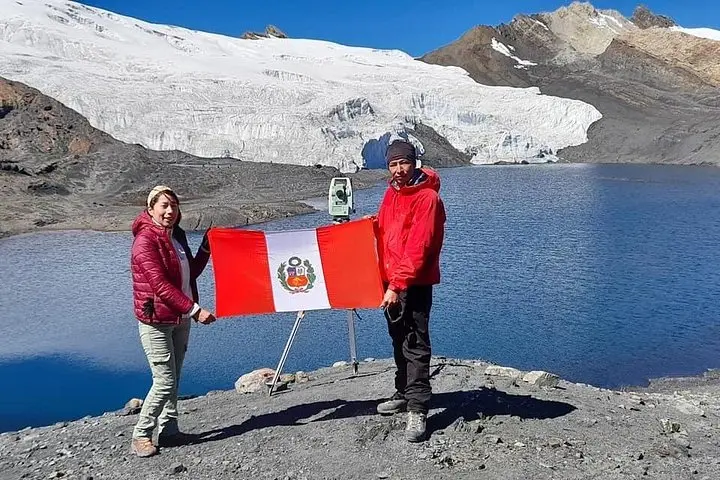
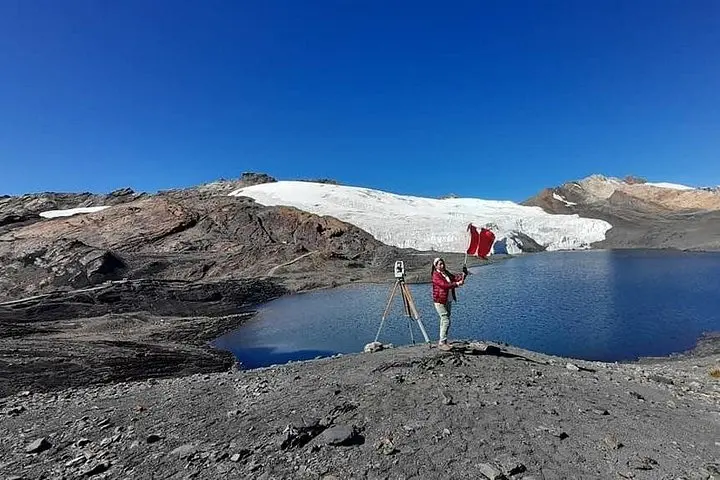
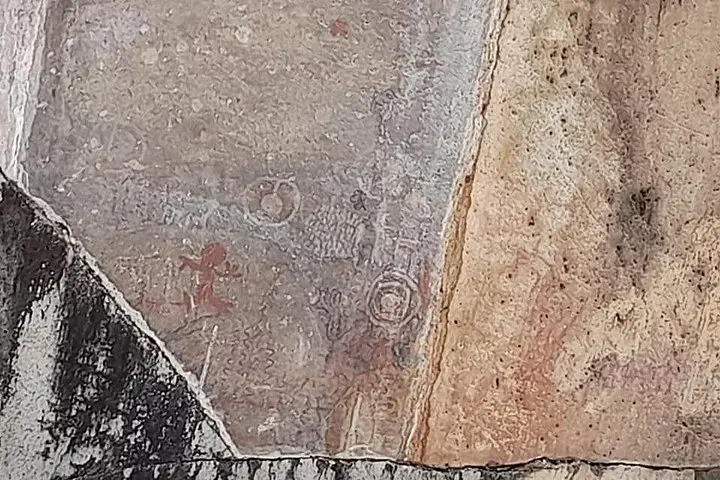
This full-day route runs from Huaraz (≈3,100 m) through Ticapampa and Quebrada Pachacoto to the Pastoruri area (approaching 5,000 m). Geology is on display: glaciated cirques, moraine rubble and turquoise high-lake basins such as Laguna Patococha. Local communities left faint rock paintings along the route, and the mineral-rich waters of Pumapashimin shift color with the sun.
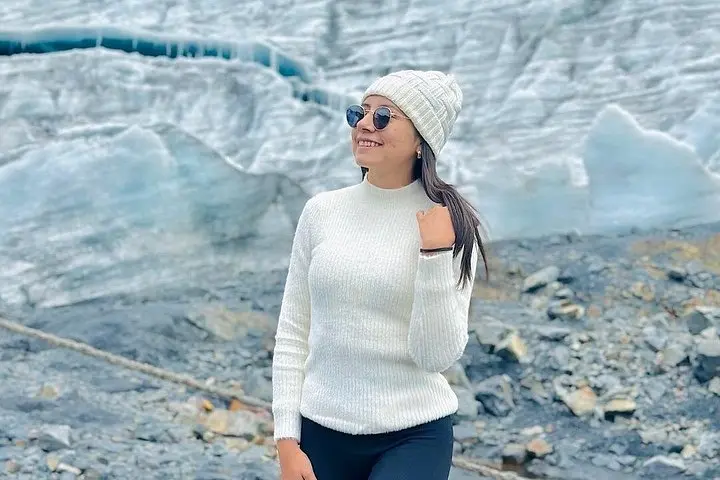
The final approach is a gentle, high-altitude hike—typically a 45–75 minute walk (≈1–2 km) from the roadside with roughly 200–400 m of gain depending on the trailhead—rewarding with ice caves, frozen lagoons, and expansive views of snow-clad ridgelines.
Practical notes: departures are usually at 9:00 a.m. with private transport and an official guide; return to Huaraz is mid-to-late afternoon. Altitude is the defining challenge: pace yourself, hydrate, and watch for acute mountain sickness. Trails are short but steep in places and weather can change rapidly—sun protection and windproof layers are essential. For photographers and naturalists alike, this outing compresses the Cordillera Blanca’s geology, culture and fragility into one striking day.
The area approaches ~5,000 m; the guided walk is typically a 45–75 minute, 1–2 km ascent from the road with modest vertical gain—effort is magnified by altitude.
Yes—large stands of Puya Raimondi (an iconic long-lived Andean plant) are a highlight and visible near the high valley sections.
This tour is not recommended for pregnant travelers, and children should be able to handle high altitude; consult organizers about age limits and medical considerations.
Basic facilities and kiosks are available at roadside stops, but bring snacks and water; lunch and exact stops depend on the operator’s itinerary.
Peru Expeditions Tours operates guided outdoor trips and adventures with an emphasis on safety, stewardship, and memorable experiences.
A pale Andean sun slides over the Callejón de Huaylas as your minivan threads steep switchbacks toward Cátac. Wind and stone announce the high country; grasses bow and the air thins with every kilometer. By midmorning you pass carbonated springs that fizz like a secret, then stands of Puya Raimondi—towering, spiky plants that look as if time forgot them here.
A pale Andean sun slides over the Callejón de Huaylas as your minivan threads steep switchbacks toward Cátac. Wind and stone announce the high country; grasses bow and the air thins with every kilometer. By midmorning you pass carbonated springs that fizz like a secret, then stands of Puya Raimondi—towering, spiky plants that look as if time forgot them here.
This full-day route runs from Huaraz (≈3,100 m) through Ticapampa and Quebrada Pachacoto to the Pastoruri area (approaching 5,000 m). Geology is on display: glaciated cirques, moraine rubble and turquoise high-lake basins such as Laguna Patococha. Local communities left faint rock paintings along the route, and the mineral-rich waters of Pumapashimin shift color with the sun.
The final approach is a gentle, high-altitude hike—typically a 45–75 minute walk (≈1–2 km) from the roadside with roughly 200–400 m of gain depending on the trailhead—rewarding with ice caves, frozen lagoons, and expansive views of snow-clad ridgelines.
Practical notes: departures are usually at 9:00 a.m. with private transport and an official guide; return to Huaraz is mid-to-late afternoon. Altitude is the defining challenge: pace yourself, hydrate, and watch for acute mountain sickness. Trails are short but steep in places and weather can change rapidly—sun protection and windproof layers are essential. For photographers and naturalists alike, this outing compresses the Cordillera Blanca’s geology, culture and fragility into one striking day.