THE ADVENTURE COLLECTIVE® · Independent discovery and booking for outdoor travel

Walk a 12–16 km stretch through Angostura canyon from San Pedro de Atacama to where the Rio Grande meets the Rio Salado. This guided trek combines shifting desert geology, quiet riverbeds and ancient petroglyph panels over roughly 4–5 hours.
Walk a 12–16 km stretch through Angostura canyon from San Pedro de Atacama to where the Rio Grande meets the Rio Salado. This guided trek combines shifting desert geology, quiet riverbeds and ancient petroglyph panels over roughly 4–5 hours.
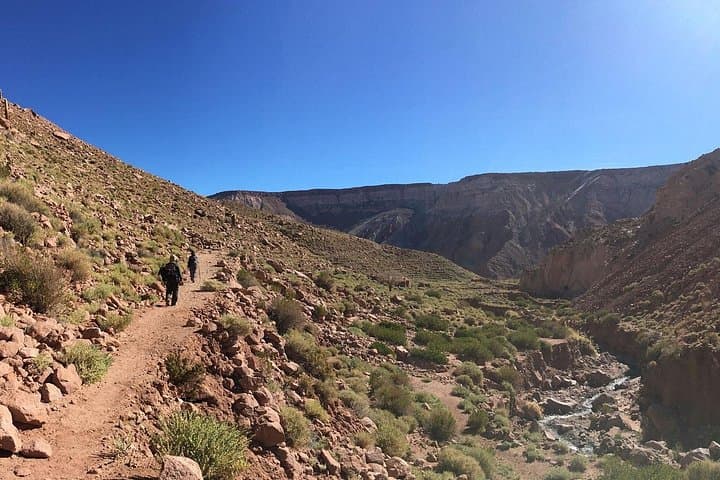
The guide leads from a dusty hotel courtyard before the land opens into a narrow canyon; stone walls lean in close and the Rio Grande dares you forward, its shallow channels glinting in the sun. Footfalls on gravel shift the silence and, step by deliberate step, the landscape peels away into wide salt flats and towering cliffs marked with ancient marks.
Verified experiences and guided adventures in the surrounding area.
Operated by Tangol · San Pedro de Atacama, Antofagasta
The guide leads from a dusty hotel courtyard before the land opens into a narrow canyon; stone walls lean in close and the Rio Grande dares you forward, its shallow channels glinting in the sun. Footfalls on gravel shift the silence and, step by deliberate step, the landscape peels away into wide salt flats and towering cliffs marked with ancient marks.
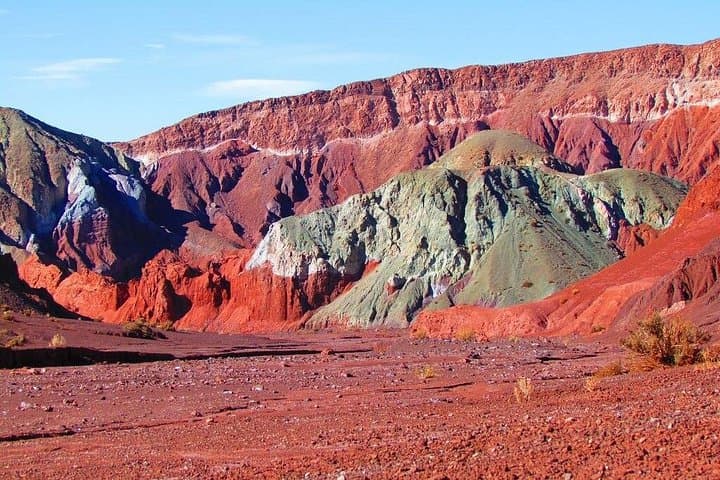
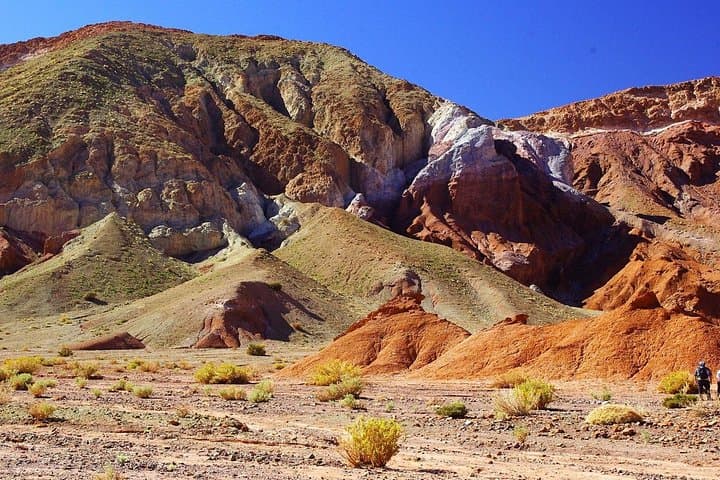
This trek follows routes used for millennia where Atacameño people left petroglyphs on sheltering faces of rock. Geologically the canyon is carved from volcanic and sedimentary layers—dark basalt bands and pale, wind-polished sediment—revealing an arid history of uplift, erosion and the intermittent fury of Andean runoff. Local culture still reads the stone panels; the petroglyphs here are quiet records of herding, hunting and celestial observation.
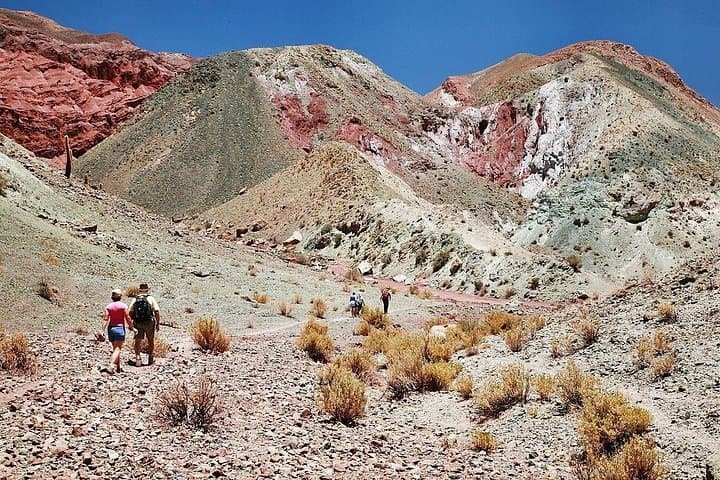
Expect a 12–16 km walk through riverbed sand, broken stone, and scrub, with abrupt elevation shifts as the canyon narrows and opens. Keep an eye for small clusters of algarrobo and the hard, sculpted cast of desert life. The petroglyph panels arrive without fanfare—flat faces etched with human figures and animals—rewarding steady attention more than dramatic viewpoints.
Practical notes: the route takes about 4–5 hours guided, so bring 2–3 liters of water, sun protection and sturdy boots with good grip for loose gravel. Walk early to avoid peak heat, pace yourself on the longer 16 km option and follow your guide near fragile rock art. The desert is unforgiving but direct: move deliberately, leave no trace, and the canyon will tell its story as you walk it.
The guided walk lasts about 4–5 hours. Guests can choose a shorter ~12 km route or the longer ~16 km variant depending on fitness and conditions.
Yes—pickup and drop-off are included for centrally located hotels in San Pedro de Atacama; confirm your pickup point when booking.
San Pedro sits around 2,400–2,500 m; while not extreme, those with cardiovascular issues should consult a doctor and allow time to acclimatize before strenuous activity.
There are no facilities on the route; the tour includes snacks but plan bathroom use in town before departure and bring extra food for longer distances.
Tangol operates guided outdoor trips and adventures with an emphasis on safety, stewardship, and memorable experiences.
The guide leads from a dusty hotel courtyard before the land opens into a narrow canyon; stone walls lean in close and the Rio Grande dares you forward, its shallow channels glinting in the sun. Footfalls on gravel shift the silence and, step by deliberate step, the landscape peels away into wide salt flats and towering cliffs marked with ancient marks.
The guide leads from a dusty hotel courtyard before the land opens into a narrow canyon; stone walls lean in close and the Rio Grande dares you forward, its shallow channels glinting in the sun. Footfalls on gravel shift the silence and, step by deliberate step, the landscape peels away into wide salt flats and towering cliffs marked with ancient marks.
This trek follows routes used for millennia where Atacameño people left petroglyphs on sheltering faces of rock. Geologically the canyon is carved from volcanic and sedimentary layers—dark basalt bands and pale, wind-polished sediment—revealing an arid history of uplift, erosion and the intermittent fury of Andean runoff. Local culture still reads the stone panels; the petroglyphs here are quiet records of herding, hunting and celestial observation.
Expect a 12–16 km walk through riverbed sand, broken stone, and scrub, with abrupt elevation shifts as the canyon narrows and opens. Keep an eye for small clusters of algarrobo and the hard, sculpted cast of desert life. The petroglyph panels arrive without fanfare—flat faces etched with human figures and animals—rewarding steady attention more than dramatic viewpoints.
Practical notes: the route takes about 4–5 hours guided, so bring 2–3 liters of water, sun protection and sturdy boots with good grip for loose gravel. Walk early to avoid peak heat, pace yourself on the longer 16 km option and follow your guide near fragile rock art. The desert is unforgiving but direct: move deliberately, leave no trace, and the canyon will tell its story as you walk it.