THE ADVENTURE COLLECTIVE® · Independent discovery and booking for outdoor travel

Follow a guided day hike from Assisi into limestone woods where springs, caves and waterfalls shape the route. This 5‑hour trek blends geology, pastoral history and a local lunch to round out the experience.
Follow a guided day hike from Assisi into limestone woods where springs, caves and waterfalls shape the route. This 5‑hour trek blends geology, pastoral history and a local lunch to round out the experience.
The trail opens with cool air that smells faintly of limestone and moss; a ribbon of water threads downhill, daring you to follow. Hikers leave the village roads behind and climb through mixed oak and chestnut woodland, passing small karst springs that have fed Umbrian farms for centuries. Caves appear as dark mouths beside the path; waterfalls step down over slabby rock into shallow pools where light pools like coin.
Verified experiences and guided adventures in the surrounding area.
Operated by SORPRENDIMI UMBRIA · Assisi, Umbria
The trail opens with cool air that smells faintly of limestone and moss; a ribbon of water threads downhill, daring you to follow. Hikers leave the village roads behind and climb through mixed oak and chestnut woodland, passing small karst springs that have fed Umbrian farms for centuries. Caves appear as dark mouths beside the path; waterfalls step down over slabby rock into shallow pools where light pools like coin.
This part of Umbria is shaped by Apennine geology and a long pastoral history — shepherd tracks, hermitages, and terraced fields are common. The itinerary includes entry to the hermitage of S. M. Giacobbe, a reminder of medieval devotional life and local stewardship of sacred springs. Culturally, the route threads rural hospitality into the landscape: guides point out family-run mills, field crops, and seasonal foraging traditions that still influence local plates.
Expect 8–10 km of mixed dirt track, forest trail and rocky approaches with roughly 300–450 m total ascent over about five hours. Terrain can be uneven and slippery near waterfalls; waterproof boots and trekking poles help. Bring water, sun protection, and a light rain layer in shoulder seasons. The finish is a relaxed two-course lunch at a nearby trattoria featuring Umbrian specialties and local wine — a practical, satisfying way to close a day spent where water, rock and human history meet.
Timing: start mornings for lower crowds and fuller springs; avoid heavy rain when cave approaches can be hazardous.
The excursion lasts about five hours, covering roughly 8–10 km with 300–450 m of ascent; it’s rated easy and suitable for most walkers.
Yes — a two-course local lunch with drinks is included at a nearby restaurant after the hike.
Infants must sit on an adult’s lap; the operator notes the activity is suitable for a wide range of ages but assess mobility for young children on uneven trail sections.
Tours are cancelled in unsafe weather; the specific booking states all sales are final, so confirm conditions with the operator before arrival.
SORPRENDIMI UMBRIA operates guided outdoor trips and adventures with an emphasis on safety, stewardship, and memorable experiences.
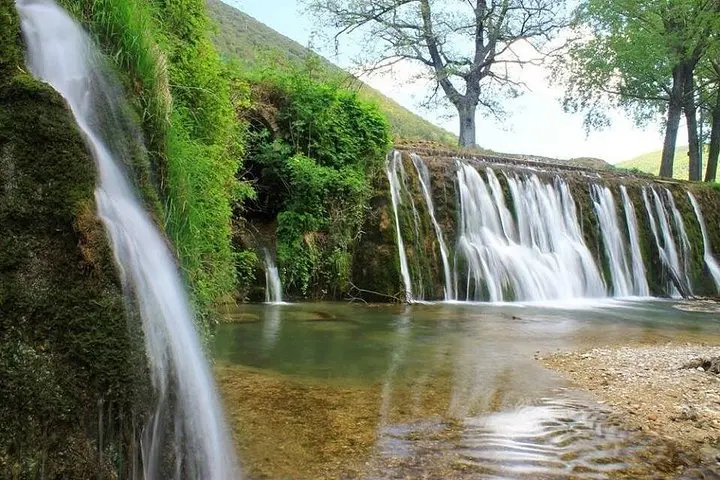
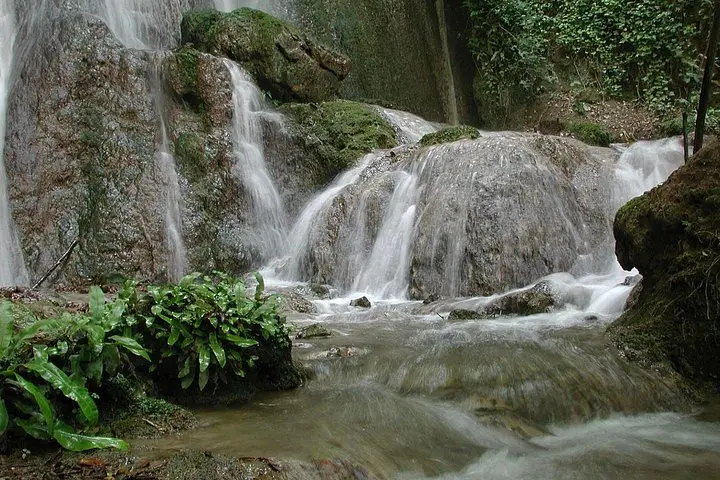
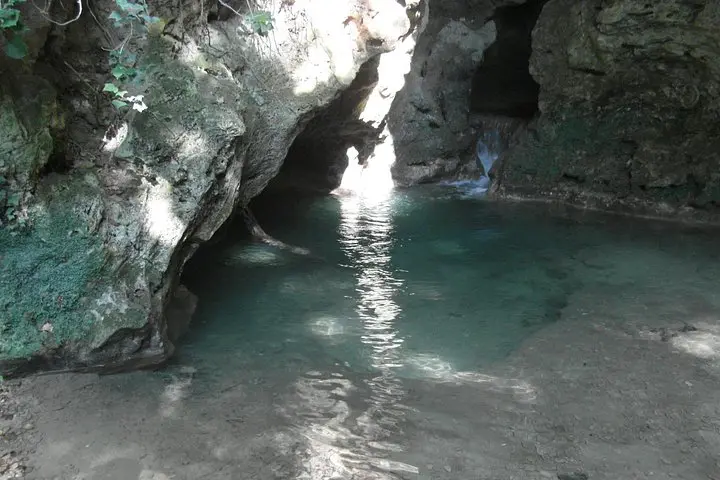
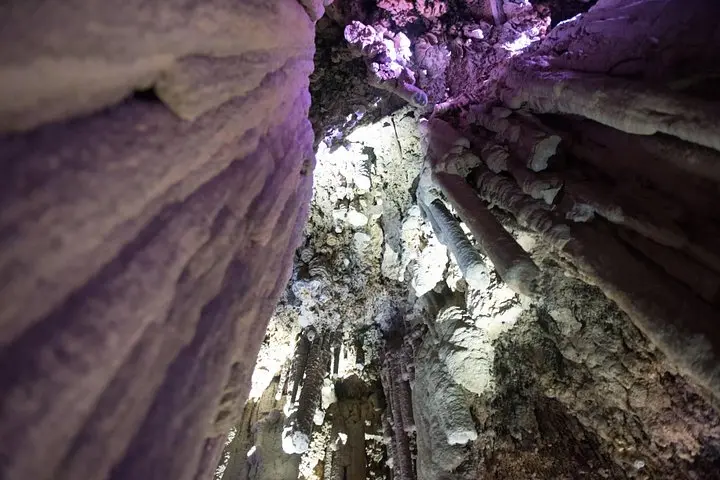
The trail opens with cool air that smells faintly of limestone and moss; a ribbon of water threads downhill, daring you to follow. Hikers leave the village roads behind and climb through mixed oak and chestnut woodland, passing small karst springs that have fed Umbrian farms for centuries. Caves appear as dark mouths beside the path; waterfalls step down over slabby rock into shallow pools where light pools like coin.
The trail opens with cool air that smells faintly of limestone and moss; a ribbon of water threads downhill, daring you to follow. Hikers leave the village roads behind and climb through mixed oak and chestnut woodland, passing small karst springs that have fed Umbrian farms for centuries. Caves appear as dark mouths beside the path; waterfalls step down over slabby rock into shallow pools where light pools like coin.
This part of Umbria is shaped by Apennine geology and a long pastoral history — shepherd tracks, hermitages, and terraced fields are common. The itinerary includes entry to the hermitage of S. M. Giacobbe, a reminder of medieval devotional life and local stewardship of sacred springs. Culturally, the route threads rural hospitality into the landscape: guides point out family-run mills, field crops, and seasonal foraging traditions that still influence local plates.
Expect 8–10 km of mixed dirt track, forest trail and rocky approaches with roughly 300–450 m total ascent over about five hours. Terrain can be uneven and slippery near waterfalls; waterproof boots and trekking poles help. Bring water, sun protection, and a light rain layer in shoulder seasons. The finish is a relaxed two-course lunch at a nearby trattoria featuring Umbrian specialties and local wine — a practical, satisfying way to close a day spent where water, rock and human history meet.
Timing: start mornings for lower crowds and fuller springs; avoid heavy rain when cave approaches can be hazardous.