THE ADVENTURE COLLECTIVE® · Independent discovery and booking for outdoor travel

Follow a 9.5 km trail from Y Linh Ho through the Muong Hoa Valley to Lao Chai and Ta Van villages, where terraced rice fields, mountain views, and local Hmong and Dzay culture shape the walk. This half-day guided trek blends manageable terrain with strong cultural and scenic payoff.
Follow a 9.5 km trail from Y Linh Ho through the Muong Hoa Valley to Lao Chai and Ta Van villages, where terraced rice fields, mountain views, and local Hmong and Dzay culture shape the walk. This half-day guided trek blends manageable terrain with strong cultural and scenic payoff.
You step out of Sapa’s cool market air and follow a ribbon of trail that drops into Muong Hoa Valley — terraces stepping down the hillside like carefully cut stairs, a stream ahead daring you onward. Morning light skims the roofs of Black Hmong houses as the path threads between rice paddies and bamboo groves; distant ridgelines of the Hoang Lien Son push the sky into sharper blue.
Verified experiences and guided adventures in the surrounding area.
Operated by Vietnam Travel Top · Sapa, Lao Cai
You step out of Sapa’s cool market air and follow a ribbon of trail that drops into Muong Hoa Valley — terraces stepping down the hillside like carefully cut stairs, a stream ahead daring you onward. Morning light skims the roofs of Black Hmong houses as the path threads between rice paddies and bamboo groves; distant ridgelines of the Hoang Lien Son push the sky into sharper blue.
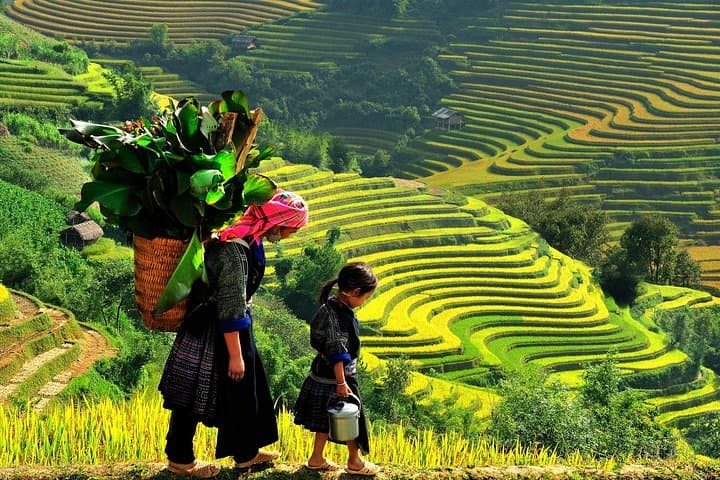
This guided trek runs roughly 9.5 km and takes about 3.5 to 4 hours on mixed dirt and stone trails. The valley has been shaped over centuries by Hmong and Dzay communities who carved terraced rice fields into the slopes; geology is young, folded mountain rock eroded into narrow valleys and steep fans that direct every stream. Along the way local culture is visible in woven textiles, lacquered wooden houses, and terraced plots still tended by hand.
Expect moderate ups and downs rather than sustained climbs, frequent stream crossings, and sections where the trail narrows beside fields. Guides typically include round-trip transfers and a simple local lunch in Lao Chai; English-speaking local guides explain ethnography and farming practices.
Practical tips: wear sturdy shoes with good grip, carry 1–2 liters of water and a lightweight rain shell, and bring small cash for snacks or handicrafts. Start early to avoid mid-day heat and to catch clearer valley views. Respect cultivated land—stay on marked paths—and be prepared for changing weather in these mountains: clouds can move fast and visibility shifts with them.
The standard route is about 9.5 km and takes 3.5–4 hours with moderate ups and downs—suitable for most fitness levels but involves uneven terrain and some stream-side paths.
Tours include an English-speaking local guide and round-trip transfers from Sapa; confirm pickup location when booking.
Wear closed-toe shoes with grip, layered clothing, a rain shell, sunscreen, insect repellent, and carry 1–2 liters of water and small cash for meals or crafts.
Yes, villages are open year-round, but winter can be foggy and cold while the monsoon season (summer) brings muddy sections; operators may cancel for unsafe weather.
Vietnam Travel Top operates guided outdoor trips and adventures with an emphasis on safety, stewardship, and memorable experiences.
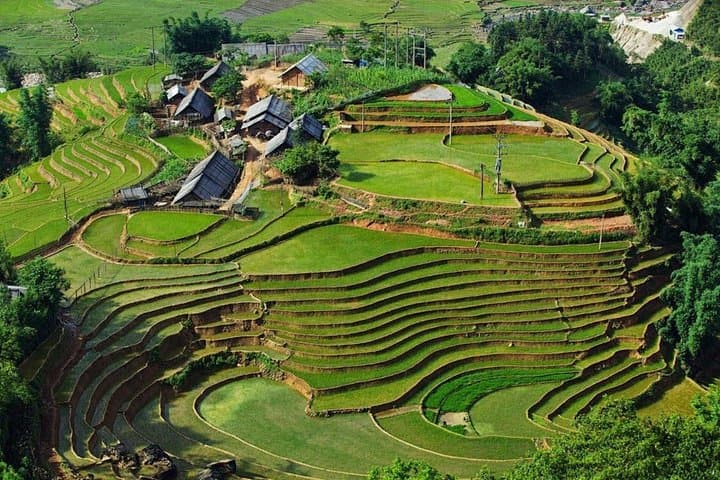

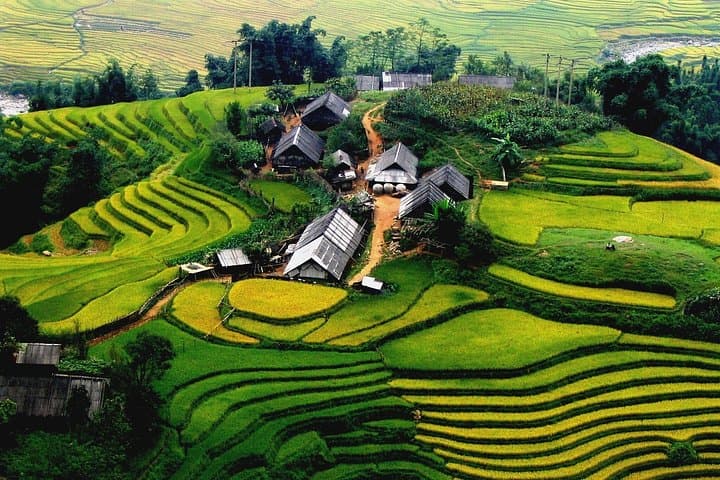
You step out of Sapa’s cool market air and follow a ribbon of trail that drops into Muong Hoa Valley — terraces stepping down the hillside like carefully cut stairs, a stream ahead daring you onward. Morning light skims the roofs of Black Hmong houses as the path threads between rice paddies and bamboo groves; distant ridgelines of the Hoang Lien Son push the sky into sharper blue.
You step out of Sapa’s cool market air and follow a ribbon of trail that drops into Muong Hoa Valley — terraces stepping down the hillside like carefully cut stairs, a stream ahead daring you onward. Morning light skims the roofs of Black Hmong houses as the path threads between rice paddies and bamboo groves; distant ridgelines of the Hoang Lien Son push the sky into sharper blue.
This guided trek runs roughly 9.5 km and takes about 3.5 to 4 hours on mixed dirt and stone trails. The valley has been shaped over centuries by Hmong and Dzay communities who carved terraced rice fields into the slopes; geology is young, folded mountain rock eroded into narrow valleys and steep fans that direct every stream. Along the way local culture is visible in woven textiles, lacquered wooden houses, and terraced plots still tended by hand.
Expect moderate ups and downs rather than sustained climbs, frequent stream crossings, and sections where the trail narrows beside fields. Guides typically include round-trip transfers and a simple local lunch in Lao Chai; English-speaking local guides explain ethnography and farming practices.
Practical tips: wear sturdy shoes with good grip, carry 1–2 liters of water and a lightweight rain shell, and bring small cash for snacks or handicrafts. Start early to avoid mid-day heat and to catch clearer valley views. Respect cultivated land—stay on marked paths—and be prepared for changing weather in these mountains: clouds can move fast and visibility shifts with them.