THE ADVENTURE COLLECTIVE® · Independent discovery and booking for outdoor travel

A long, high-altitude day trek from Cusco brings you to seven vivid Andean lagoons beneath Ausangate’s glaciated flanks. Expect rocky trails, sharp weather swings, and cultural encounters with llama-herding communities along the way.
A long, high-altitude day trek from Cusco brings you to seven vivid Andean lagoons beneath Ausangate’s glaciated flanks. Expect rocky trails, sharp weather swings, and cultural encounters with llama-herding communities along the way.
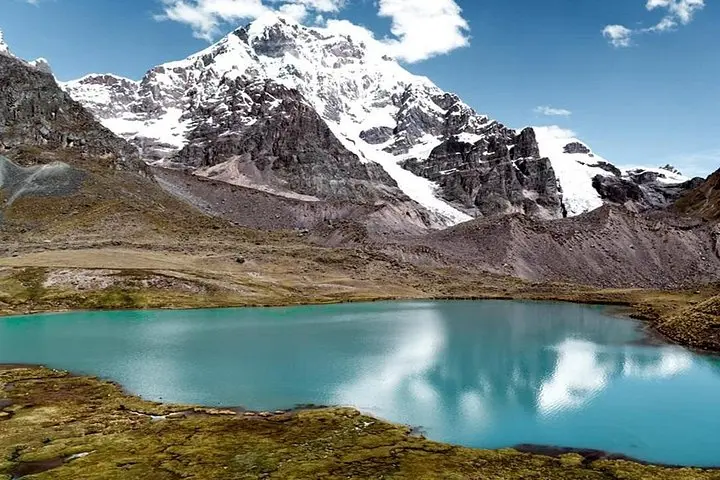
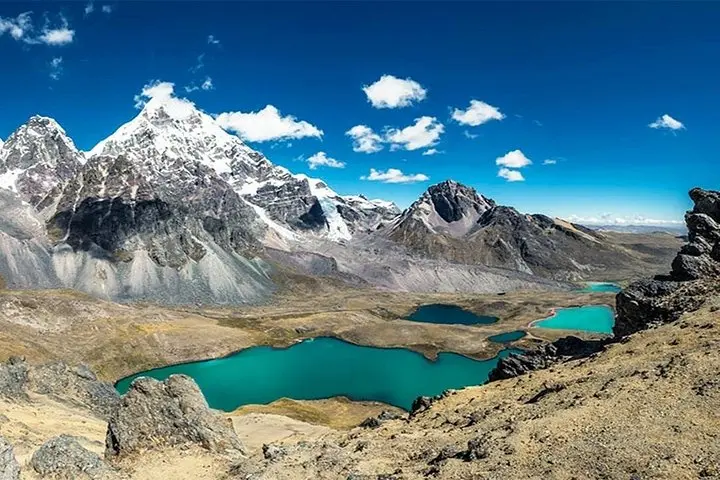
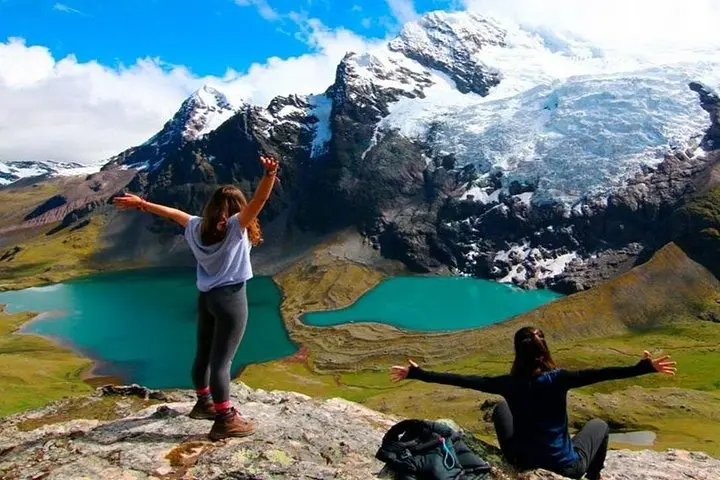
The trail begins before dawn, a thin bone-cold light over puna grass as a bus winds away from Cusco and climbs toward the broad shoulders of Ausangate. By mid-morning you stand where meltwater plunges off glacial slopes and a string of high-altitude lagoons—each a different blue—reflects a sky that seems closer than the city below.
Verified experiences and guided adventures in the surrounding area.
Operated by Tayra Tours Adventures · Cusco, Cusco Region
The trail begins before dawn, a thin bone-cold light over puna grass as a bus winds away from Cusco and climbs toward the broad shoulders of Ausangate. By mid-morning you stand where meltwater plunges off glacial slopes and a string of high-altitude lagoons—each a different blue—reflects a sky that seems closer than the city below.
Geology here is raw: Ausangate is a glaciated massif whose moraine-ringed basins collect runoff from 5,000–6,000m peaks. The lakes—Pucacocha, Patacocha, Alqacocha, Qomercocha, Otorongo Orco, Otorongo Chinese, and Cocha Blue—sit in cirques carved by ancient ice and fed nightly, local legend says, by the River of Stars.
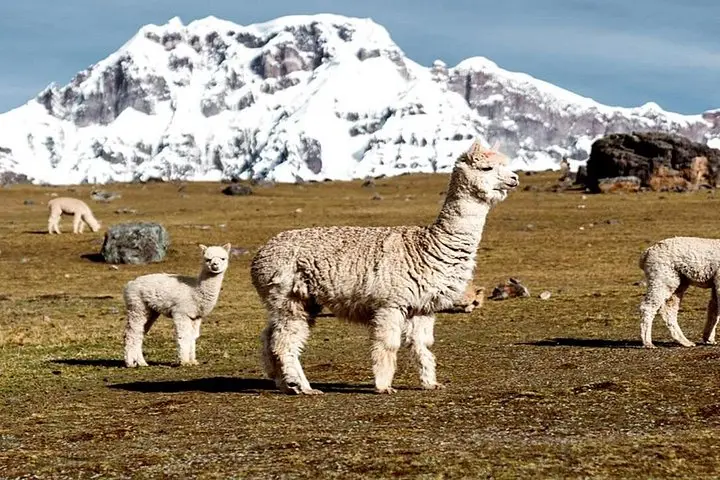
This is Quechua country. Chillca herders still move llamas and alpacas across seasonal pastures; tambos and machuracay lodges mark the traditional Path of the Apu Ausangate. Each spring the Qoyllur Rit’i pilgrimage animates nearby valleys with dancers, music, and devotion.
Practical guidance: expect thin air—trek passes commonly reach 4,600m—so acclimatize in Cusco 48–72 hours first. Trails are rocky, often wet near lake outlets, and weather can flip from sun to sleet in an hour; layer for cold and wind. Bring a sturdy pair of waterproof boots, a warm insulated jacket, and at least 2–3 liters of water; salt tablets or electrolyte mixes help at altitude. Guided day circuits typically run 12–14 hours from Cusco with vehicle transfers; for overnight multi-day versions, lodges and tambos offer basic beds and hot meals.
The reward is straightforward: high-plain views that press you into the landscape, quiet lagoons that dare you to pause, and a felt connection to a living Andean culture.
Passes and viewpoints on the 7 Lagoons circuit commonly reach 4,400–4,700 meters, so altitude effects are possible.
Guides are strongly recommended for logistics, acclimatization safety, and cultural context; permits are not typically required for the circuit but rules can vary by operator.
Days are often sunny and cold, afternoons can bring clouds and snow—pack windproof and waterproof layers year-round.
Not recommended for young children, pregnant travelers, or those with cardiovascular or serious spinal problems due to high altitude and long duration.
Tayra Tours Adventures operates guided outdoor trips and adventures with an emphasis on safety, stewardship, and memorable experiences.
The trail begins before dawn, a thin bone-cold light over puna grass as a bus winds away from Cusco and climbs toward the broad shoulders of Ausangate. By mid-morning you stand where meltwater plunges off glacial slopes and a string of high-altitude lagoons—each a different blue—reflects a sky that seems closer than the city below.
The trail begins before dawn, a thin bone-cold light over puna grass as a bus winds away from Cusco and climbs toward the broad shoulders of Ausangate. By mid-morning you stand where meltwater plunges off glacial slopes and a string of high-altitude lagoons—each a different blue—reflects a sky that seems closer than the city below.
Geology here is raw: Ausangate is a glaciated massif whose moraine-ringed basins collect runoff from 5,000–6,000m peaks. The lakes—Pucacocha, Patacocha, Alqacocha, Qomercocha, Otorongo Orco, Otorongo Chinese, and Cocha Blue—sit in cirques carved by ancient ice and fed nightly, local legend says, by the River of Stars.
This is Quechua country. Chillca herders still move llamas and alpacas across seasonal pastures; tambos and machuracay lodges mark the traditional Path of the Apu Ausangate. Each spring the Qoyllur Rit’i pilgrimage animates nearby valleys with dancers, music, and devotion.
Practical guidance: expect thin air—trek passes commonly reach 4,600m—so acclimatize in Cusco 48–72 hours first. Trails are rocky, often wet near lake outlets, and weather can flip from sun to sleet in an hour; layer for cold and wind. Bring a sturdy pair of waterproof boots, a warm insulated jacket, and at least 2–3 liters of water; salt tablets or electrolyte mixes help at altitude. Guided day circuits typically run 12–14 hours from Cusco with vehicle transfers; for overnight multi-day versions, lodges and tambos offer basic beds and hot meals.
The reward is straightforward: high-plain views that press you into the landscape, quiet lagoons that dare you to pause, and a felt connection to a living Andean culture.