THE ADVENTURE COLLECTIVE® · Independent discovery and booking for outdoor travel

Walk the Fishermen's Path along Portugal’s wild Costa Vicentina: a 10–11 day coastal trek of dunes, cliffs and fishing villages with daily stages of 9–24 km and luggage transfers between hotels. Expect exposed trails, rich birdlife and strong winds.
Walk the Fishermen's Path along Portugal’s wild Costa Vicentina: a 10–11 day coastal trek of dunes, cliffs and fishing villages with daily stages of 9–24 km and luggage transfers between hotels. Expect exposed trails, rich birdlife and strong winds.
Salt wind pushes inland as you step off a low dune and onto a narrow track carved where waves once pressed the cliff. The Fishermen's Path—Caminho dos Pescadores—runs like a seam between ocean and scrub, leading you from Porto Covo through Vila Nova de Milfontes, Zambujeira do Mar and on to the Atlantic edge at Cabo de São Vicente.
Verified experiences and guided adventures in the surrounding area.
Operated by Lifextreme · Vila Nova de Milfontes, Alentejo
Salt wind pushes inland as you step off a low dune and onto a narrow track carved where waves once pressed the cliff. The Fishermen's Path—Caminho dos Pescadores—runs like a seam between ocean and scrub, leading you from Porto Covo through Vila Nova de Milfontes, Zambujeira do Mar and on to the Atlantic edge at Cabo de São Vicente.
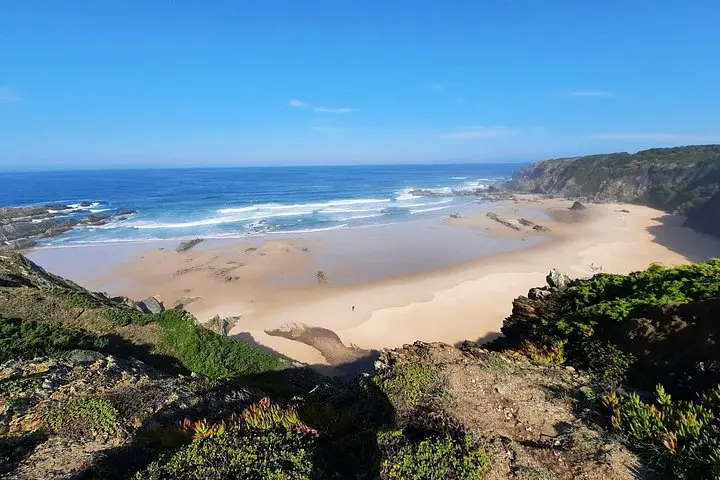
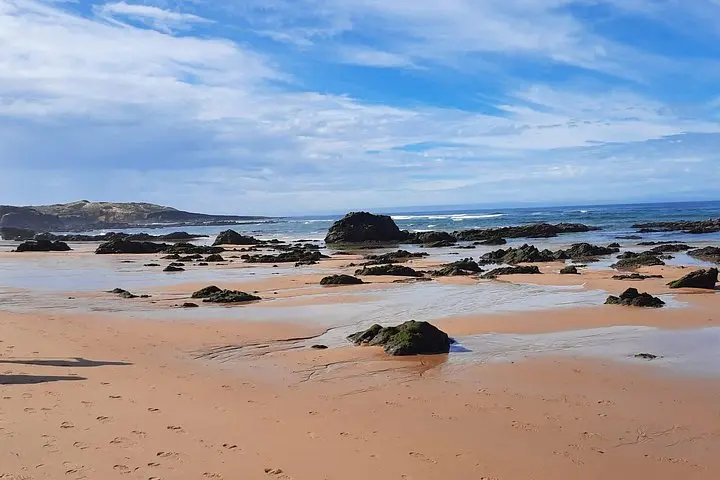
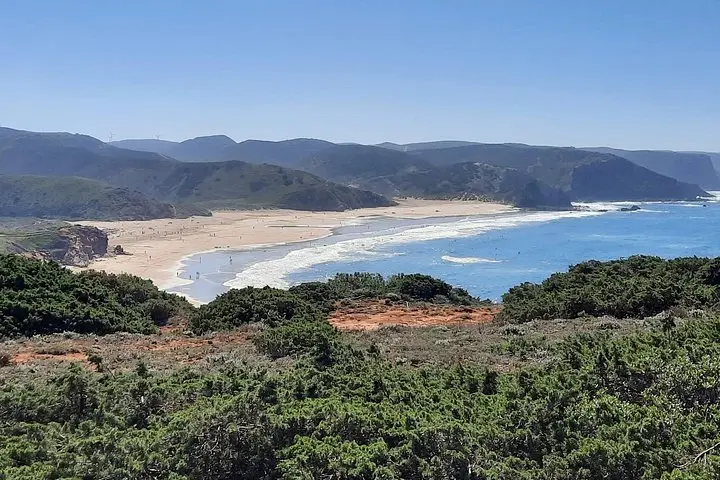
This coastal trek threads together 10–11 days of terrain shaped by marine erosion and Pleistocene beds: sheer limestone and sandstone cliffs, broad tidal beaches, dune systems and pockets of fertile river valley. The region sits on the boundary between Alentejo and the Algarve and has long been a corridor for fishermen, pilgrims and migrating birds; local villages still mark time with simple harbors and seafood kitchens.
Expect daily walking stages of roughly 9–24 km over undulating coastal paths with short, steep climbs to viewpoints. Trails vary from packed sand to rocky singletrack and occasional paved village lanes. Birdlife is prolific—peregrines, wheatears and storks scout the cliffs—while the scent of wild fennel and maritime pine accompanies many sections.
Practical essentials: your luggage is transferred between accommodations, so carry a light daypack, water (1.5–3 L depending on season), sun protection and layered windproof clothing. Walk in sturdy hiking shoes with good grip for slippery rocks. Plan for strong afternoon breezes and limited shade on exposed stretches; start early to avoid heat and watch tides near low-lying beach sections. With basic navigation awareness and moderate fitness, this route offers an elemental coastal experience where sea and land keep you moving forward.
Yes—daily transfer of personal luggage up to 20 kg per person is included so you only carry a daypack.
Many sections follow well-used coastal tracks and Rota Vicentina signage, but bring a map/GPS for less obvious stretches and village approaches.
Overnights are in selected 3–4* hotels or guesthouses, typically double rooms with breakfast included.
Spring and fall offer mild temperatures and migration activity; summer is hotter and busier, while winter can be windy and wet.
Lifextreme operates guided outdoor trips and adventures with an emphasis on safety, stewardship, and memorable experiences.
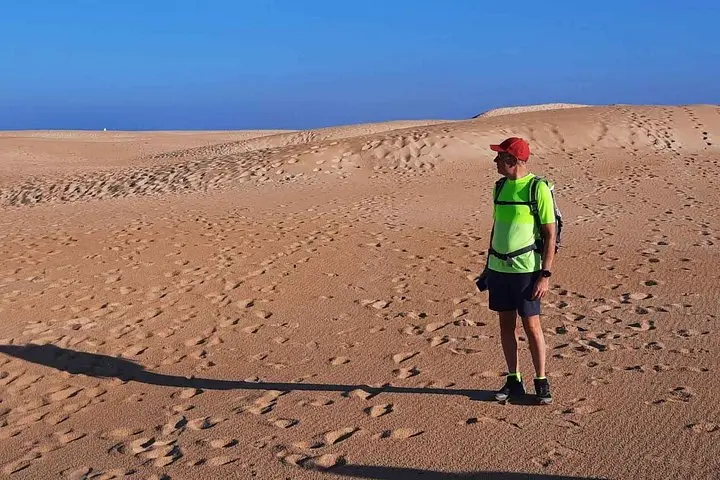
Salt wind pushes inland as you step off a low dune and onto a narrow track carved where waves once pressed the cliff. The Fishermen's Path—Caminho dos Pescadores—runs like a seam between ocean and scrub, leading you from Porto Covo through Vila Nova de Milfontes, Zambujeira do Mar and on to the Atlantic edge at Cabo de São Vicente.
Salt wind pushes inland as you step off a low dune and onto a narrow track carved where waves once pressed the cliff. The Fishermen's Path—Caminho dos Pescadores—runs like a seam between ocean and scrub, leading you from Porto Covo through Vila Nova de Milfontes, Zambujeira do Mar and on to the Atlantic edge at Cabo de São Vicente.
This coastal trek threads together 10–11 days of terrain shaped by marine erosion and Pleistocene beds: sheer limestone and sandstone cliffs, broad tidal beaches, dune systems and pockets of fertile river valley. The region sits on the boundary between Alentejo and the Algarve and has long been a corridor for fishermen, pilgrims and migrating birds; local villages still mark time with simple harbors and seafood kitchens.
Expect daily walking stages of roughly 9–24 km over undulating coastal paths with short, steep climbs to viewpoints. Trails vary from packed sand to rocky singletrack and occasional paved village lanes. Birdlife is prolific—peregrines, wheatears and storks scout the cliffs—while the scent of wild fennel and maritime pine accompanies many sections.
Practical essentials: your luggage is transferred between accommodations, so carry a light daypack, water (1.5–3 L depending on season), sun protection and layered windproof clothing. Walk in sturdy hiking shoes with good grip for slippery rocks. Plan for strong afternoon breezes and limited shade on exposed stretches; start early to avoid heat and watch tides near low-lying beach sections. With basic navigation awareness and moderate fitness, this route offers an elemental coastal experience where sea and land keep you moving forward.