
Trekking Vietnam's Northern Frontier: 14-Day Secret Trails from Sapa to Ha Giang
Follow little-used trails through northern Vietnam’s highlands—rice terraces, limestone passes and remote ethnic villages—on a 14‑day trek from Mu Cang Chai to Ha Giang. This itinerary mixes multi‑day walks with homestays and dramatic mountain roads.
An Adventure In Hanoi.
Follow little-used trails through northern Vietnam’s highlands—rice terraces, limestone passes and remote ethnic villages—on a 14‑day trek from Mu Cang Chai to Ha Giang. This itinerary mixes multi‑day walks with homestays and dramatic mountain roads.
Read the full experience
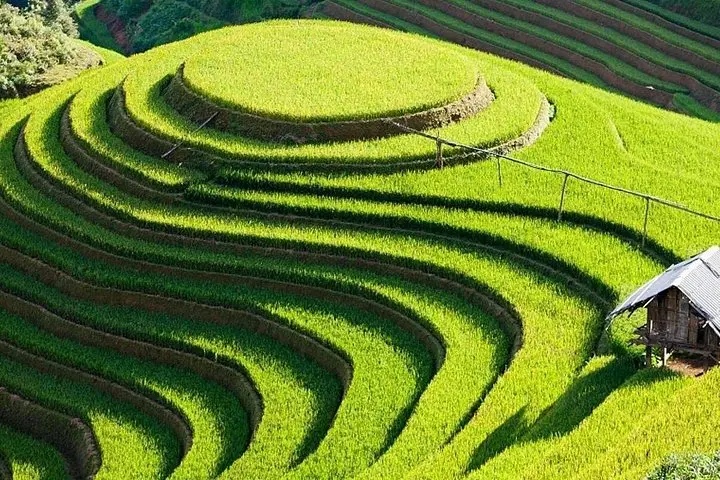
You climb out of the bus at dawn and the mountains take the breath you were saving for your first step—sharp ridgelines cut into sky, rice terraces folded like green stairs, and a river below that dares you to follow its twists. This 14‑day route threads Vietnam’s northernmost provinces—Mu Cang Chai, Sapa, Hoang Su Phi and Ha Giang—along hairpin passes, limestone outcrops and highland valleys where minority villages still keep traditional rhythms.
You climb out of the bus at dawn and the mountains take the breath you were saving for your first step—sharp ridgelines cut into sky, rice terraces folded like green stairs, and a river below that dares you to follow its twists. This 14‑day route threads Vietnam’s northernmost provinces—Mu Cang Chai, Sapa, Hoang Su Phi and Ha Giang—along hairpin passes, limestone outcrops and highland valleys where minority villages still keep traditional rhythms.
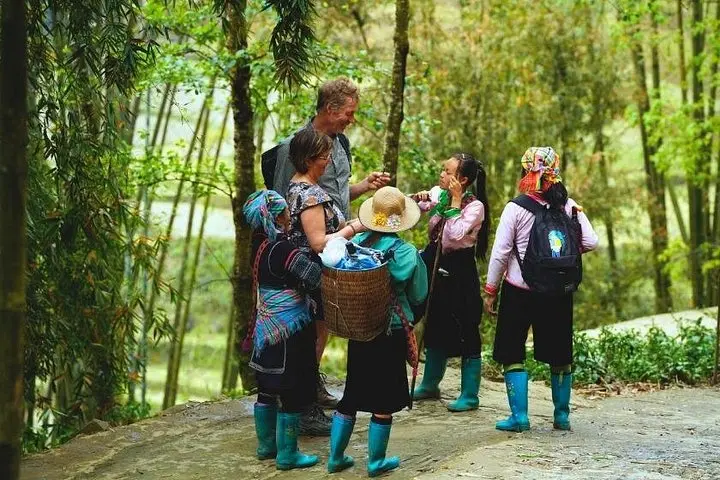
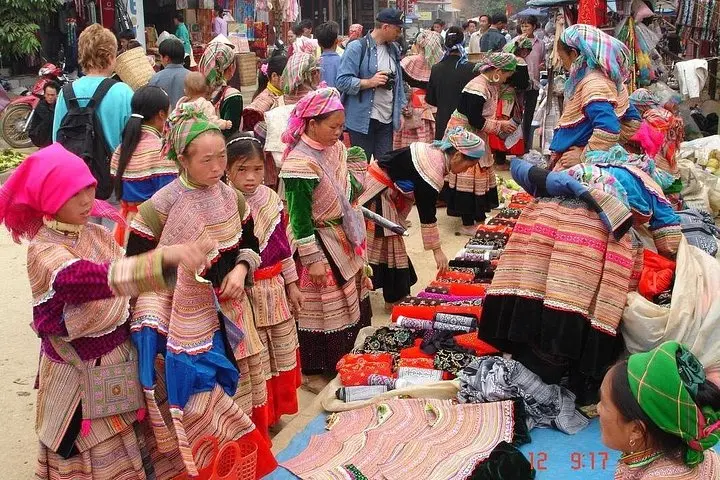
Geology here alternates between black limestone karst and terraced metamorphic slopes carved by centuries of hand‑worked agriculture. History arrives in wooden stilt houses, Dao and H’mong herbal traditions and the former H’mong king’s palace at Sa Phin, reminders of frontier life shaped by trade, war and borderland isolation.
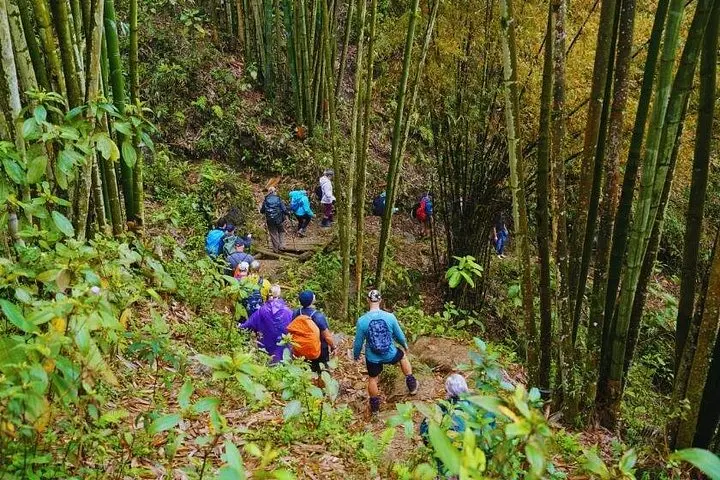
Expect daily walking that varies: short cultural strolls of 3–6 km, medium treks of 12–17 km and occasional long days pushing 17–20 km over uneven, sometimes muddy trails and passes that can rise toward ~1,600–1,800 m. Terrain shifts from packed earth and stone steps to narrow goat tracks between terraces.
Practical guidance: carry a 25–30 L daypack, layer for rapid temperature swings (cool mornings, sun midday, cold evenings), and plan trekking days in the dry season for firmer trails. Guides and travel permits are included in the program; homestays provide local meals and simple beds. Hydrate often—streams are present but treat water or bring purification—or plan to refill at villages. Move deliberately on steep descents and leave room in your schedule for weather‑delayed drives; the road is part of the experience.
This trip favors travelers with steady endurance and curiosity for rural culture over luxury—bring durable boots, patience and an appetite for long views.
Frequently asked questions
The drier months (October–April) offer more stable weather and clearer views; summer monsoon months (May–September) can bring heavy rain, slippery trails and occasional road disruption.
Travelers should have regular aerobic fitness and prior experience with full‑day hikes—expect multiple days of 12–20 km with uneven terrain and sustained elevation change.
Yes—local English‑speaking guides, sightseeing tickets and any required travel permits along border areas are included in the itinerary.
You’ll stay primarily in family homestays and simple mountain guesthouses—basic but clean; expect shared facilities and local meals.
About This Experience
Mr Linh's Adventures operates guided outdoor trips and adventures with an emphasis on safety, stewardship, and memorable experiences.
Adventure tips
Recommended gear
- Waterproof trekking boots: Support and grip for rocky, muddy trails and long downhill sections.
- Layered clothing (base, insulating, shell): Rapid temperature swings and wind at high passes make layering vital.
- 25–30 L daypack with rain cover: Carries lunch, water, extra layers and personal items during day treks.
- Water filter or purification tablets: Allows safe refills from village taps or mountain streams when on multi‑day routes.
Photos of the experience
Related adventures & guides
Read the full experience
You climb out of the bus at dawn and the mountains take the breath you were saving for your first step—sharp ridgelines cut into sky, rice terraces folded like green stairs, and a river below that dares you to follow its twists. This 14‑day route threads Vietnam’s northernmost provinces—Mu Cang Chai, Sapa, Hoang Su Phi and Ha Giang—along hairpin passes, limestone outcrops and highland valleys where minority villages still keep traditional rhythms.
You climb out of the bus at dawn and the mountains take the breath you were saving for your first step—sharp ridgelines cut into sky, rice terraces folded like green stairs, and a river below that dares you to follow its twists. This 14‑day route threads Vietnam’s northernmost provinces—Mu Cang Chai, Sapa, Hoang Su Phi and Ha Giang—along hairpin passes, limestone outcrops and highland valleys where minority villages still keep traditional rhythms.
Geology here alternates between black limestone karst and terraced metamorphic slopes carved by centuries of hand‑worked agriculture. History arrives in wooden stilt houses, Dao and H’mong herbal traditions and the former H’mong king’s palace at Sa Phin, reminders of frontier life shaped by trade, war and borderland isolation.
Expect daily walking that varies: short cultural strolls of 3–6 km, medium treks of 12–17 km and occasional long days pushing 17–20 km over uneven, sometimes muddy trails and passes that can rise toward ~1,600–1,800 m. Terrain shifts from packed earth and stone steps to narrow goat tracks between terraces.
Practical guidance: carry a 25–30 L daypack, layer for rapid temperature swings (cool mornings, sun midday, cold evenings), and plan trekking days in the dry season for firmer trails. Guides and travel permits are included in the program; homestays provide local meals and simple beds. Hydrate often—streams are present but treat water or bring purification—or plan to refill at villages. Move deliberately on steep descents and leave room in your schedule for weather‑delayed drives; the road is part of the experience.
This trip favors travelers with steady endurance and curiosity for rural culture over luxury—bring durable boots, patience and an appetite for long views.
Make a day of it nearby.
Verified experiences and guided adventures in the surrounding area.