THE ADVENTURE COLLECTIVE® · Independent discovery and booking for outdoor travel

A full‑day trek into Zonda Valley takes you under towering red walls carved by an ancient lake and wind. Expect 6 km of hiking, 500 m of gain, and dramatic geoforms reachable from San Juan in a day.
A full‑day trek into Zonda Valley takes you under towering red walls carved by an ancient lake and wind. Expect 6 km of hiking, 500 m of gain, and dramatic geoforms reachable from San Juan in a day.
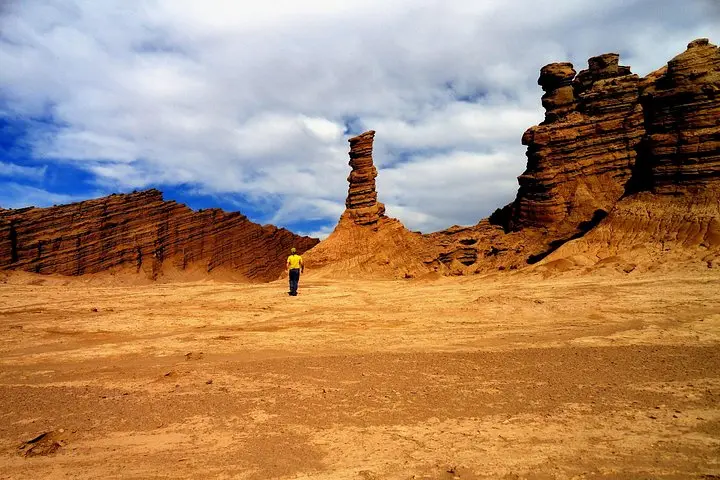
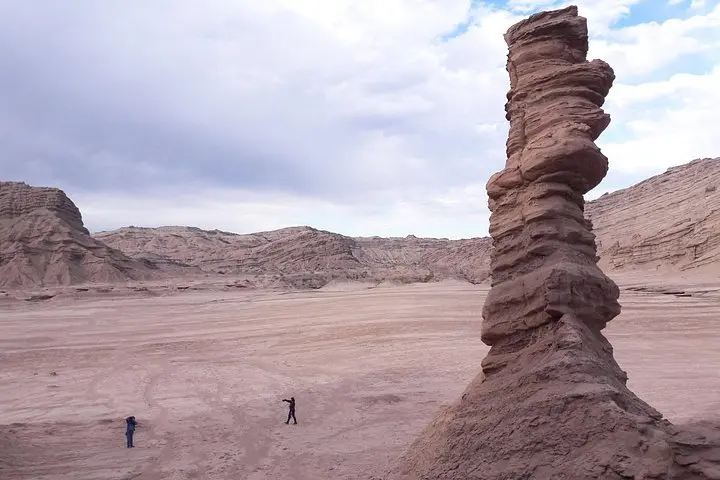
You step out of the air‑conditioned vehicle and the desert breathes around you — wind sketching salt and ochre dust against towering red walls. The trail climbs into a landscape shaped by an ancient lake and relentless erosion: strange hoodoos, smoothly carved mesas and fissured cliffs that seem to watch every step.
Verified experiences and guided adventures in the surrounding area.
Operated by Posta Inca Adventures Expeditions · Zonda, San Juan
You step out of the air‑conditioned vehicle and the desert breathes around you — wind sketching salt and ochre dust against towering red walls. The trail climbs into a landscape shaped by an ancient lake and relentless erosion: strange hoodoos, smoothly carved mesas and fissured cliffs that seem to watch every step.
The valley sits on sediments left by a lake that once covered this basin millions of years ago; visible layers record changing climates while National Route 40 runs like an old spine below, linking this terrain to wider San Juan history. Local food culture shows up mid‑hike — a country bite or the famous raw ham sandwich at Parador Talacasto — a practical nod to provincial life.
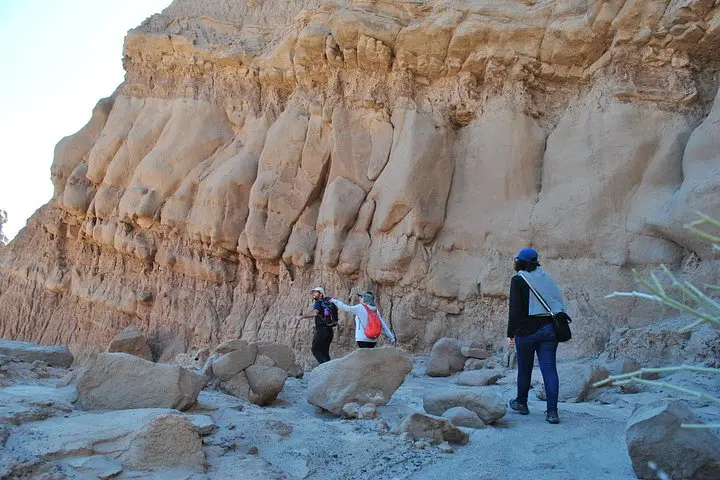
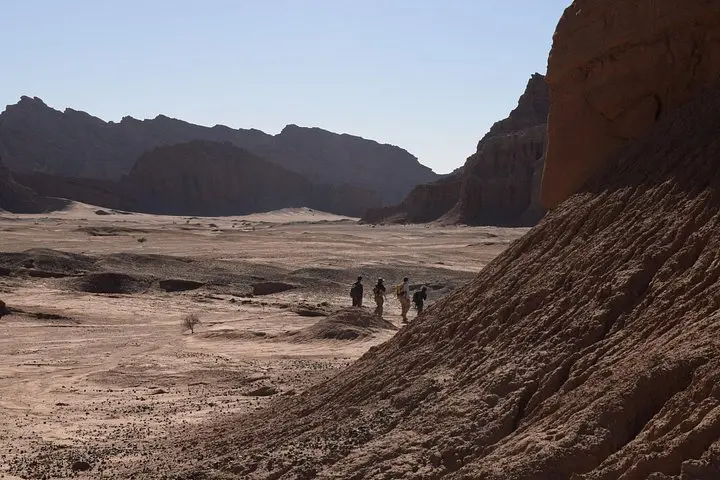
Geology is the main character: soft sandstones and conglomerates erode into reddish walls and sculpted forms that dare you to read their lines. The trek is short but steep — roughly 6 km of walking with about +500 m of unevenness — so pace matters. Expect dry air, strong sun and sudden gusts that push you along exposed ridges.
Practical guide: start early to avoid the high midday sun, bring 2–3 liters of water, sturdy boots for loose scree and trekking poles for the steeper switchbacks. Leave no trace: the geoforms are fragile. The route returns you to the city by late afternoon, making this an achievable, full‑day immersion in San Juan’s raw, wind‑carved country.
The hike covers roughly 6 km of walking with about +500 m of elevation gain; the full outing including transport is about 6–8 hours.
Yes — the route is rated moderate and suitable for reasonably fit beginners, but steep sections and loose terrain require care.
No reliable facilities or potable water on the trail; bring your own water and use restrooms before departure in town stops like Parador Talacasto.
The tour includes a certified trekking guide and transport; permits aren’t generally required but guided trips improve safety and route knowledge.
Posta Inca Adventures Expeditions operates guided outdoor trips and adventures with an emphasis on safety, stewardship, and memorable experiences.
You step out of the air‑conditioned vehicle and the desert breathes around you — wind sketching salt and ochre dust against towering red walls. The trail climbs into a landscape shaped by an ancient lake and relentless erosion: strange hoodoos, smoothly carved mesas and fissured cliffs that seem to watch every step.
You step out of the air‑conditioned vehicle and the desert breathes around you — wind sketching salt and ochre dust against towering red walls. The trail climbs into a landscape shaped by an ancient lake and relentless erosion: strange hoodoos, smoothly carved mesas and fissured cliffs that seem to watch every step.
The valley sits on sediments left by a lake that once covered this basin millions of years ago; visible layers record changing climates while National Route 40 runs like an old spine below, linking this terrain to wider San Juan history. Local food culture shows up mid‑hike — a country bite or the famous raw ham sandwich at Parador Talacasto — a practical nod to provincial life.
Geology is the main character: soft sandstones and conglomerates erode into reddish walls and sculpted forms that dare you to read their lines. The trek is short but steep — roughly 6 km of walking with about +500 m of unevenness — so pace matters. Expect dry air, strong sun and sudden gusts that push you along exposed ridges.
Practical guide: start early to avoid the high midday sun, bring 2–3 liters of water, sturdy boots for loose scree and trekking poles for the steeper switchbacks. Leave no trace: the geoforms are fragile. The route returns you to the city by late afternoon, making this an achievable, full‑day immersion in San Juan’s raw, wind‑carved country.