THE ADVENTURE COLLECTIVE® · Independent discovery and booking for outdoor travel

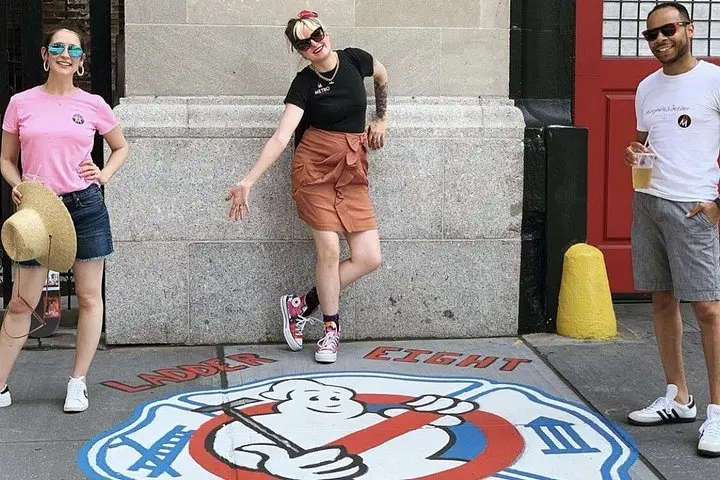
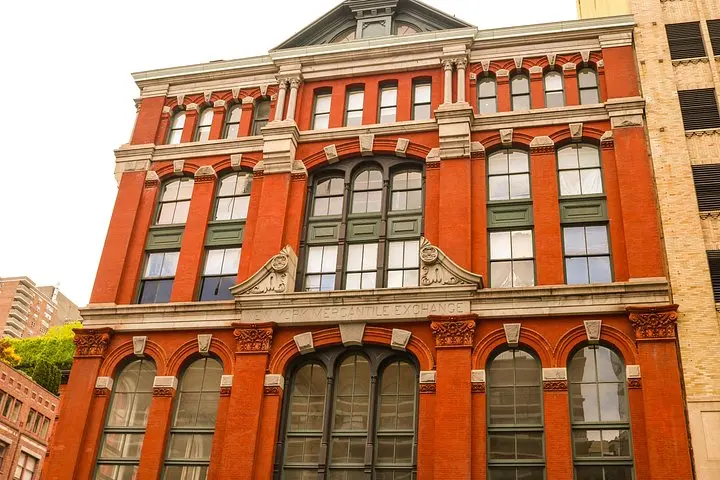
Walk Tribeca’s streets with a guide who points out hidden courtyards, cast-iron façades and the Ghostbusters firehouse. This 2½-hour tour mixes architecture, social history and practical insights for first-time visitors and local repeat explorers.
Walk Tribeca’s streets with a guide who points out hidden courtyards, cast-iron façades and the Ghostbusters firehouse. This 2½-hour tour mixes architecture, social history and practical insights for first-time visitors and local repeat explorers.
The tour begins on the stone steps of the Tweed Courthouse, where the city’s pulse is measured in subway trains and courthouse footsteps. Guides lift umbrellas against the sky and lead a small group into Tribeca’s block-by-block story: cobblestone alleys, cast-iron facades, and former warehouses that now hum with galleries and cafés.
Verified experiences and guided adventures in the surrounding area.
Operated by Metro Tours - Walking Tours of New York City · New York, New York
The tour begins on the stone steps of the Tweed Courthouse, where the city’s pulse is measured in subway trains and courthouse footsteps. Guides lift umbrellas against the sky and lead a small group into Tribeca’s block-by-block story: cobblestone alleys, cast-iron facades, and former warehouses that now hum with galleries and cafés.
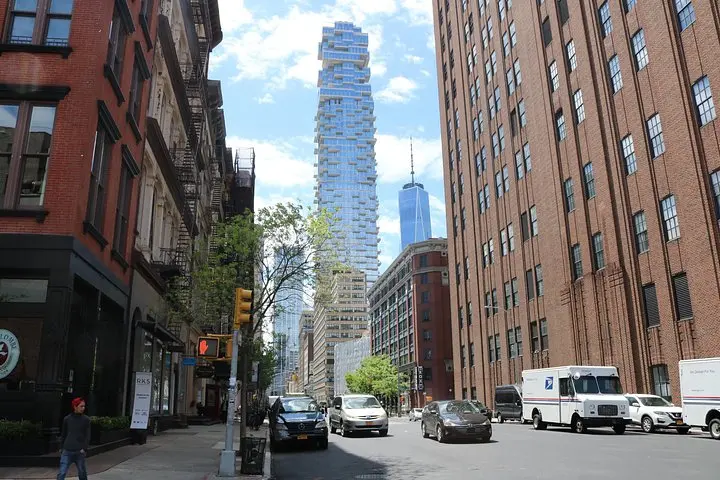
Tribeca’s history runs from 18th-century farmland through 19th-century industrial growth to 20th-century decline and meteoric residential rebirth. Underfoot, Manhattan’s bedrock—Manhattan Schist—allowed dense, vertical development nearby while low-lying lots by the Hudson became piers and warehouses. The neighborhood’s film-studio era and adaptive-reuse loft conversions shaped both its architecture and cultural cachet, producing one of the city’s wealthiest ZIP codes.
Expect guided stops at 15+ locations over roughly 2½ hours, including the Ghostbusters Firehouse and quiet courtyards often missed by passersby. Guides weave architectural vocabulary into human stories—how earthquake-resistant ironwork gave way to steel, how shipping lines shaped block grids, and how immigrant trades left graffiti and grain silos as artifacts.
Practical guidance: arrive 10 minutes early at 52 Chambers St., wear supportive walking shoes for cobbles and sidewalks, and bring a transit card—walking between stops is steady but not strenuous. Tours are stroller- and wheelchair-accessible on most routes, but cobbles and narrow sidewalks mean some segments can feel tight. Photographers should favor late-afternoon light for softer shadows on brick and ironwork.
This is a close-quarters urban walk—expect conversation, street noise, and frequent photo stops rather than long nature vistas.
The tour starts on the steps of the Tweed Courthouse at 52 Chambers St. and finishes in Tribeca Park.
Yes; the route is generally accessible but cobblestones and narrow sidewalks can make some segments feel tight—contact the operator for specific accessibility needs.
Expect 15+ stops over 2½ hours, including historic warehouses, cast-iron buildings and the Ghostbusters firehouse, with photo breaks and storytelling at each location.
Yes; the tour is family-friendly and suitable for children, though younger kids should be prepared for a 2½-hour outing with walking and standing.
Metro Tours - Walking Tours of New York City operates guided outdoor trips and adventures with an emphasis on safety, stewardship, and memorable experiences.
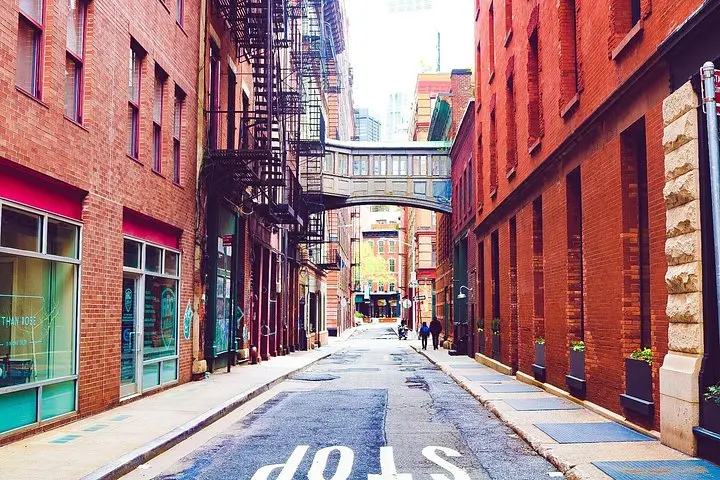
The tour begins on the stone steps of the Tweed Courthouse, where the city’s pulse is measured in subway trains and courthouse footsteps. Guides lift umbrellas against the sky and lead a small group into Tribeca’s block-by-block story: cobblestone alleys, cast-iron facades, and former warehouses that now hum with galleries and cafés.
The tour begins on the stone steps of the Tweed Courthouse, where the city’s pulse is measured in subway trains and courthouse footsteps. Guides lift umbrellas against the sky and lead a small group into Tribeca’s block-by-block story: cobblestone alleys, cast-iron facades, and former warehouses that now hum with galleries and cafés.
Tribeca’s history runs from 18th-century farmland through 19th-century industrial growth to 20th-century decline and meteoric residential rebirth. Underfoot, Manhattan’s bedrock—Manhattan Schist—allowed dense, vertical development nearby while low-lying lots by the Hudson became piers and warehouses. The neighborhood’s film-studio era and adaptive-reuse loft conversions shaped both its architecture and cultural cachet, producing one of the city’s wealthiest ZIP codes.
Expect guided stops at 15+ locations over roughly 2½ hours, including the Ghostbusters Firehouse and quiet courtyards often missed by passersby. Guides weave architectural vocabulary into human stories—how earthquake-resistant ironwork gave way to steel, how shipping lines shaped block grids, and how immigrant trades left graffiti and grain silos as artifacts.
Practical guidance: arrive 10 minutes early at 52 Chambers St., wear supportive walking shoes for cobbles and sidewalks, and bring a transit card—walking between stops is steady but not strenuous. Tours are stroller- and wheelchair-accessible on most routes, but cobbles and narrow sidewalks mean some segments can feel tight. Photographers should favor late-afternoon light for softer shadows on brick and ironwork.
This is a close-quarters urban walk—expect conversation, street noise, and frequent photo stops rather than long nature vistas.