THE ADVENTURE COLLECTIVE® · Independent discovery and booking for outdoor travel

Walk 7–8 of Tribeca’s most experimental galleries with an NYC art critic guiding a focused, two-hour tour. Expect close encounters with new work, tight gallery spaces, and insider context on artists and trends.
Walk 7–8 of Tribeca’s most experimental galleries with an NYC art critic guiding a focused, two-hour tour. Expect close encounters with new work, tight gallery spaces, and insider context on artists and trends.
Stepping off the subway, the guide leads a small group down a narrow street where warehouse facades open like pages of a magazine—sharp canvases, video installations and small galleries packed with new work. The tour moves with purpose: quick, close encounters with 7–8 exhibitions chosen for experimental edge, commentary from a professional critic, and the brisk rhythm of a two-hour walk.
Verified experiences and guided adventures in the surrounding area.
Operated by New York Art Tours · New York, New York
Stepping off the subway, the guide leads a small group down a narrow street where warehouse facades open like pages of a magazine—sharp canvases, video installations and small galleries packed with new work. The tour moves with purpose: quick, close encounters with 7–8 exhibitions chosen for experimental edge, commentary from a professional critic, and the brisk rhythm of a two-hour walk.
Tribeca’s galleries sit on land shaped by commerce and bedrock—Manhattan schist undergirds lofty loft conversions while former shipping alleys host contemporary projects. Once an industrial quarter, the neighborhood’s transition to art spaces and film venues explains the mixture of raw brick, high ceilings and improvised exhibition formats you’ll see. The critic frames each stop with context: artist background, thematic threads, market notes and how a show sits within the city’s cultural conversation.
Expect standing-room visits, tight staircases and rotating meeting points; seating is rarely provided. The walking itinerary favors short bursts—five to twenty minutes per gallery—so you’ll sample variety rather than linger. The guide’s role is equal parts curator and explainer: pointing to formal techniques, practical critiques, and why certain shows represent local trends.
Practical guidance: arrive with comfortable shoes, carry a small water bottle, and plan for unpredictable weather—some spaces are unheated or air-conditioned. Use public transit; parking is limited. If you’re new to contemporary art, this tour accelerates literacy—learn to read materials, media and modest pricing while gaining a realistic sense of what’s showing right now in lower Manhattan.
The tour lasts two hours and typically visits 7–8 galleries, spending brief periods at each to sample current exhibitions.
Yes; the guide is a professional art critic who explains materials, themes and context, making it accessible for newcomers.
Accessibility varies by gallery—many modern spaces are accessible but some are in historic buildings with stairs; contact the operator to confirm specific needs.
Meeting points change with each tour but are always in Tribeca and near public transit; the tour operator provides exact location after booking.
New York Art Tours operates guided outdoor trips and adventures with an emphasis on safety, stewardship, and memorable experiences.
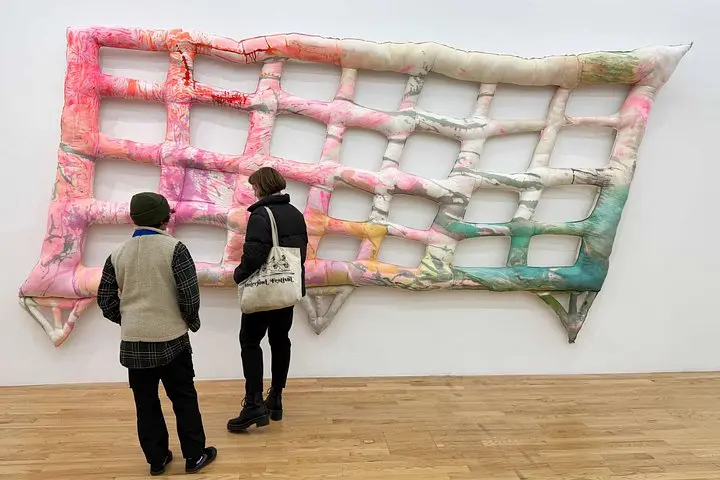
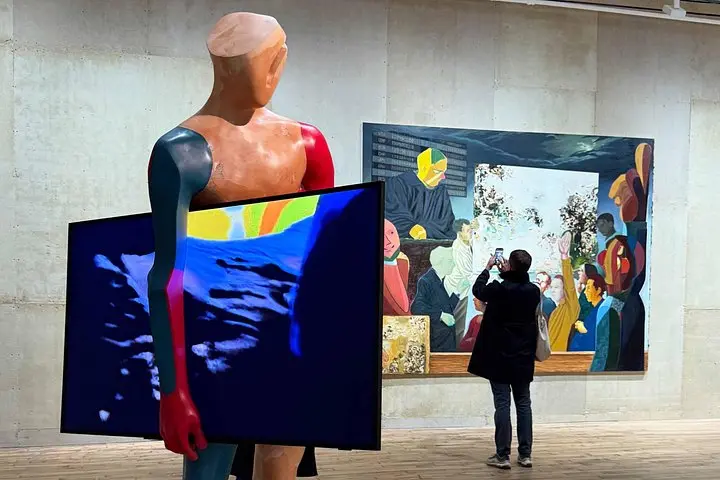

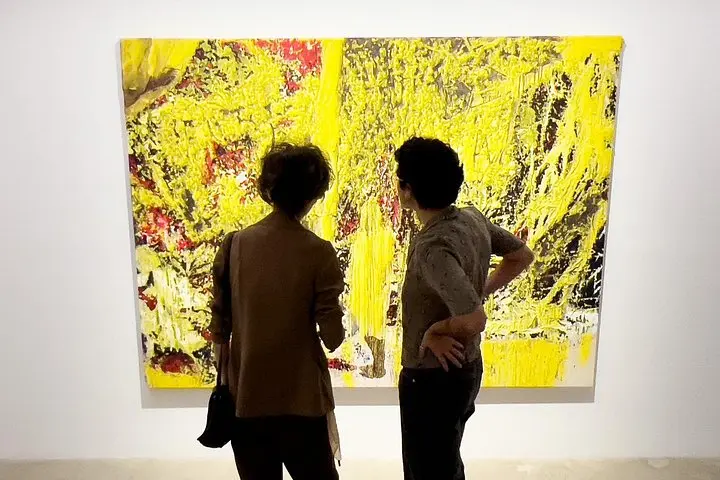
Stepping off the subway, the guide leads a small group down a narrow street where warehouse facades open like pages of a magazine—sharp canvases, video installations and small galleries packed with new work. The tour moves with purpose: quick, close encounters with 7–8 exhibitions chosen for experimental edge, commentary from a professional critic, and the brisk rhythm of a two-hour walk.
Stepping off the subway, the guide leads a small group down a narrow street where warehouse facades open like pages of a magazine—sharp canvases, video installations and small galleries packed with new work. The tour moves with purpose: quick, close encounters with 7–8 exhibitions chosen for experimental edge, commentary from a professional critic, and the brisk rhythm of a two-hour walk.
Tribeca’s galleries sit on land shaped by commerce and bedrock—Manhattan schist undergirds lofty loft conversions while former shipping alleys host contemporary projects. Once an industrial quarter, the neighborhood’s transition to art spaces and film venues explains the mixture of raw brick, high ceilings and improvised exhibition formats you’ll see. The critic frames each stop with context: artist background, thematic threads, market notes and how a show sits within the city’s cultural conversation.
Expect standing-room visits, tight staircases and rotating meeting points; seating is rarely provided. The walking itinerary favors short bursts—five to twenty minutes per gallery—so you’ll sample variety rather than linger. The guide’s role is equal parts curator and explainer: pointing to formal techniques, practical critiques, and why certain shows represent local trends.
Practical guidance: arrive with comfortable shoes, carry a small water bottle, and plan for unpredictable weather—some spaces are unheated or air-conditioned. Use public transit; parking is limited. If you’re new to contemporary art, this tour accelerates literacy—learn to read materials, media and modest pricing while gaining a realistic sense of what’s showing right now in lower Manhattan.