THE ADVENTURE COLLECTIVE® · Independent discovery and booking for outdoor travel

A five-day cultural safari through Ethiopia’s Omo Valley brings you face-to-face with Mursi, Hamar, Karo and Dassanech communities, traditional ceremonies, and dramatic river landscapes. Expect long drives, immersive village visits, and practical guidance on respectful interaction.
A five-day cultural safari through Ethiopia’s Omo Valley brings you face-to-face with Mursi, Hamar, Karo and Dassanech communities, traditional ceremonies, and dramatic river landscapes. Expect long drives, immersive village visits, and practical guidance on respectful interaction.
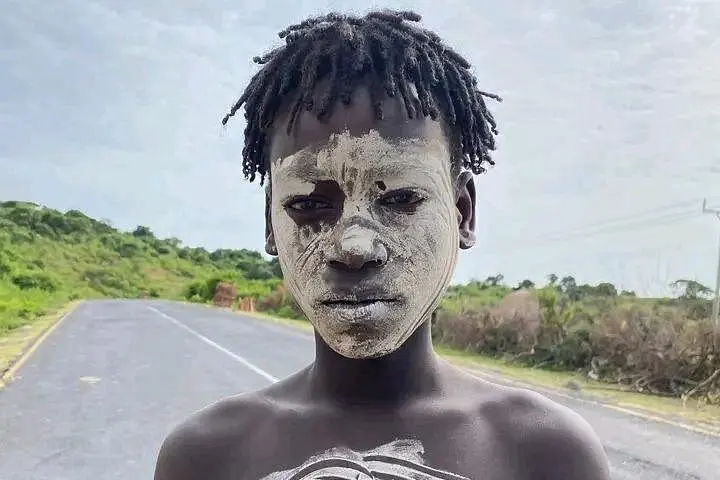
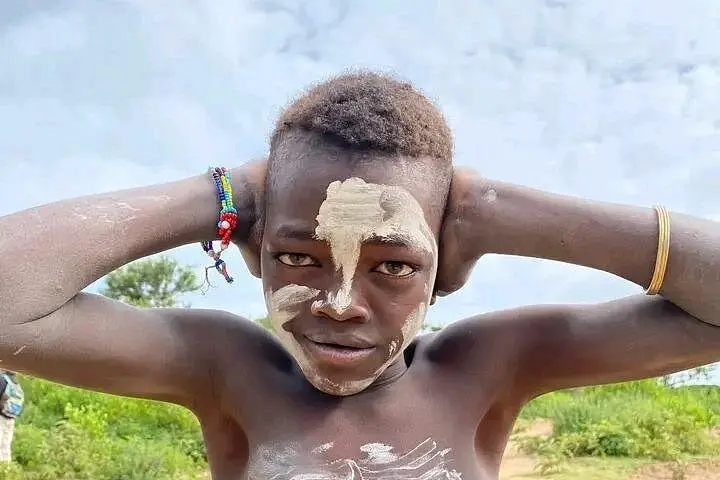
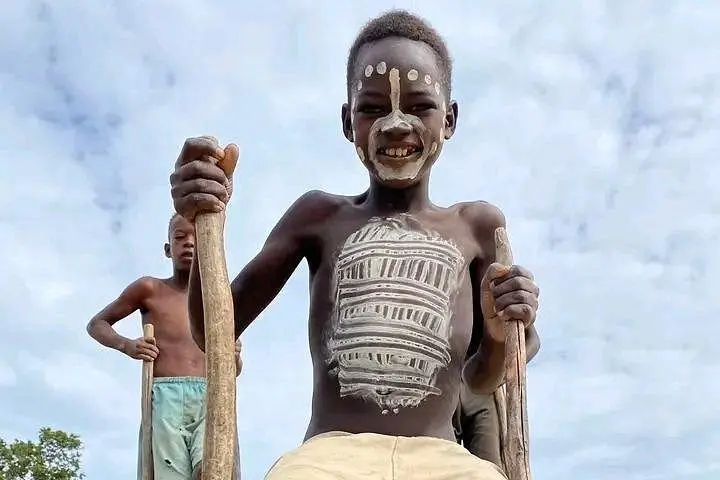
You arrive at dawn on a red-dust road, the Omo River sliding past like a slow, watchful animal. Villagers move with purpose — women braiding hair into painted patterns, men tending cattle — and the guide calls out names of tribes as the vehicle threads between baobabs and sculpted terraces.
Verified experiences and guided adventures in the surrounding area.
Operated by Milan Ethiopia Tours · Turmi, Southern Nations, Nationalities, and Peoples' Region
You arrive at dawn on a red-dust road, the Omo River sliding past like a slow, watchful animal. Villagers move with purpose — women braiding hair into painted patterns, men tending cattle — and the guide calls out names of tribes as the vehicle threads between baobabs and sculpted terraces.
The Omo Valley is both living museum and working landscape. Konso’s carved Waga monuments mark ancestral memory; the terraces there are a UNESCO World Heritage example of human-shaped geology. Downriver, the Mursi and Karo use body paint and lip plates as social language; the Hamar’s bull-jumping ceremony signals rites of passage. The region’s exposed soils, seasonal river channels and volcanic highlands make dramatic lighting and sudden shifts in vegetation.
Expect long drives on graded dirt, short village walks on uneven ground, and stretches where shade is scarce. Guides translate not only language but cultural cues — when to photograph, when to sit quietly, when to offer a small gift. Mornings are best for visits: people are active, ceremonies more likely, temperatures cooler.
Practical basics: carry ample water, a sun hat and breathable layers; bring small-denomination Ethiopian birr for local purchases and gratuities; use a local guide and ask permission before photographing people. Respect tribal protocols (no impulsive touching or showing valuables). The trip moves at the pace of conversation and custom — come ready to listen and observe. When the sun drops, the valley gives up a deep, cedar-scented quiet that feels like a reward for paying attention.
Consult your doctor; routine travel vaccines and malaria prevention are often recommended for the Omo Valley—plan well before travel.
This tour involves short, uneven village walks and standing during ceremonies; extended hiking is minimal but you should be able to walk short distances on unpaved ground.
Photography is allowed in many cases but always ask permission first—some ceremonies or individuals restrict photos and may expect small compensation.
Accommodations range from basic eco-lodges to modest lodges; expect simple comforts, private rooms when possible, and limited connectivity.
Milan Ethiopia Tours operates guided outdoor trips and adventures with an emphasis on safety, stewardship, and memorable experiences.

You arrive at dawn on a red-dust road, the Omo River sliding past like a slow, watchful animal. Villagers move with purpose — women braiding hair into painted patterns, men tending cattle — and the guide calls out names of tribes as the vehicle threads between baobabs and sculpted terraces.
You arrive at dawn on a red-dust road, the Omo River sliding past like a slow, watchful animal. Villagers move with purpose — women braiding hair into painted patterns, men tending cattle — and the guide calls out names of tribes as the vehicle threads between baobabs and sculpted terraces.
The Omo Valley is both living museum and working landscape. Konso’s carved Waga monuments mark ancestral memory; the terraces there are a UNESCO World Heritage example of human-shaped geology. Downriver, the Mursi and Karo use body paint and lip plates as social language; the Hamar’s bull-jumping ceremony signals rites of passage. The region’s exposed soils, seasonal river channels and volcanic highlands make dramatic lighting and sudden shifts in vegetation.
Expect long drives on graded dirt, short village walks on uneven ground, and stretches where shade is scarce. Guides translate not only language but cultural cues — when to photograph, when to sit quietly, when to offer a small gift. Mornings are best for visits: people are active, ceremonies more likely, temperatures cooler.
Practical basics: carry ample water, a sun hat and breathable layers; bring small-denomination Ethiopian birr for local purchases and gratuities; use a local guide and ask permission before photographing people. Respect tribal protocols (no impulsive touching or showing valuables). The trip moves at the pace of conversation and custom — come ready to listen and observe. When the sun drops, the valley gives up a deep, cedar-scented quiet that feels like a reward for paying attention.