THE ADVENTURE COLLECTIVE® · Independent discovery and booking for outdoor travel

Explore Trieste at your own pace with a smartphone-led scavenger hunt that brings Piazza Unità, Canal Grande and hidden alleys to life. Solve clues, take creative photo challenges, and learn the city’s layered history in a flexible 1–2 hour walk.
Explore Trieste at your own pace with a smartphone-led scavenger hunt that brings Piazza Unità, Canal Grande and hidden alleys to life. Solve clues, take creative photo challenges, and learn the city’s layered history in a flexible 1–2 hour walk.
You step off the quay and the sea breeze pushes a page of the city forward — Trieste’s waterfront opens like a map of empires, streets angling toward piazzas and port warehouses now converted to cafés. This self-guided scavenger hunt uses your smartphone as compass and scorecard, sending you to Piazza della Borsa, Canal Grande and the broad face of Piazza Unità d’Italia where the Adriatic crowds the stone.
Verified experiences and guided adventures in the surrounding area.
Operated by Explorial · Trieste, Friuli-Venezia Giulia
You step off the quay and the sea breeze pushes a page of the city forward — Trieste’s waterfront opens like a map of empires, streets angling toward piazzas and port warehouses now converted to cafés. This self-guided scavenger hunt uses your smartphone as compass and scorecard, sending you to Piazza della Borsa, Canal Grande and the broad face of Piazza Unità d’Italia where the Adriatic crowds the stone.
Trieste’s history is visible in its architecture: Habsburg-era palaces, Viennese cafés, and maritime warehouses that speak to a port city that linked Central Europe to the Mediterranean. Geologically, the karst limestone cliffs just outside town contrast with the pebbled beaches below, and the city’s streets often slope toward the water, offering abrupt, cinematic views.
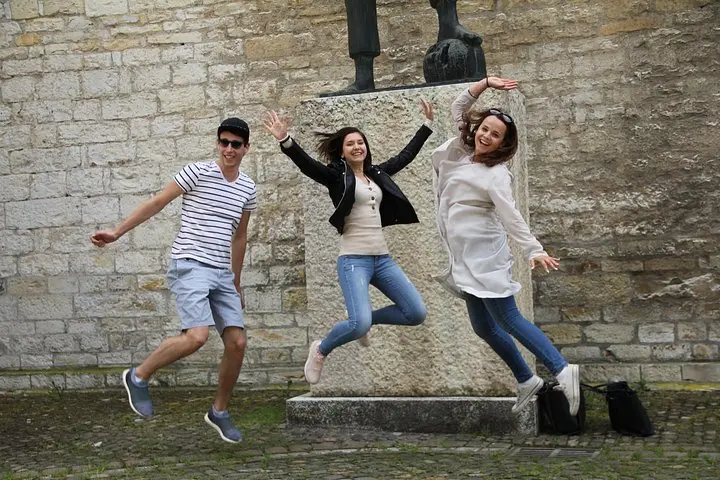
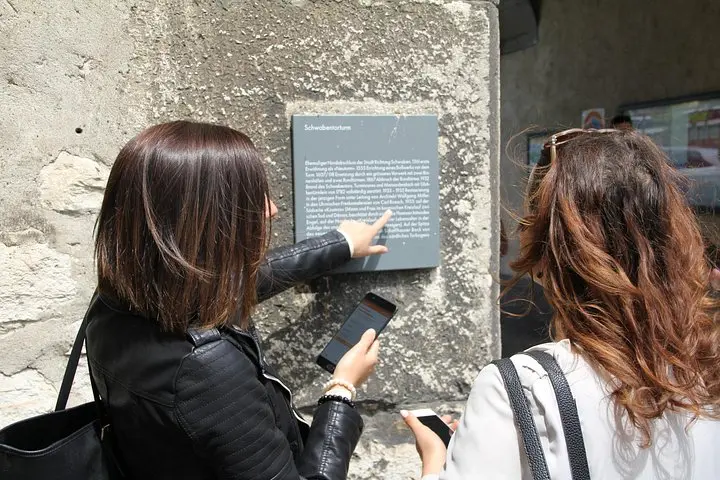
Culturally, Trieste is bilingual and cosmopolitan — Italian, Slovenian and traces of Austro-Hungarian life mix in shopfronts and pastries. The game leads you through plaques, canals and tucked-away alleys, encouraging you to read signs, answer questions and complete photo challenges that reveal local stories.
Practical guidance: download the app and redeem your access code before arriving; the route is flexible and typically takes 1–2 hours at a relaxed pace. Wear comfortable shoes for cobbles and short stairways, bring a charged phone and plan for variable coastal weather. The experience is family-friendly and accessible in short segments, but not recommended for those with spinal restrictions or pregnancy. Take breaks in a café, follow local signage, and leave no trace — Trieste rewards curiosity and careful observation.
Most groups average 1–2 hours depending on pace, time spent at clues and photo tasks; you can pause and resume at any time.
No — this is a self-guided experience using an app and access code; there’s no live guide, so you explore independently.
The experience is offered in English; local signage may be Italian or bilingual, which is part of the challenge.
Parts of the route include cobblestones and short stairways; while many piazzas are level, full accessibility may be limited—contact the operator for route specifics.
Explorial operates guided outdoor trips and adventures with an emphasis on safety, stewardship, and memorable experiences.
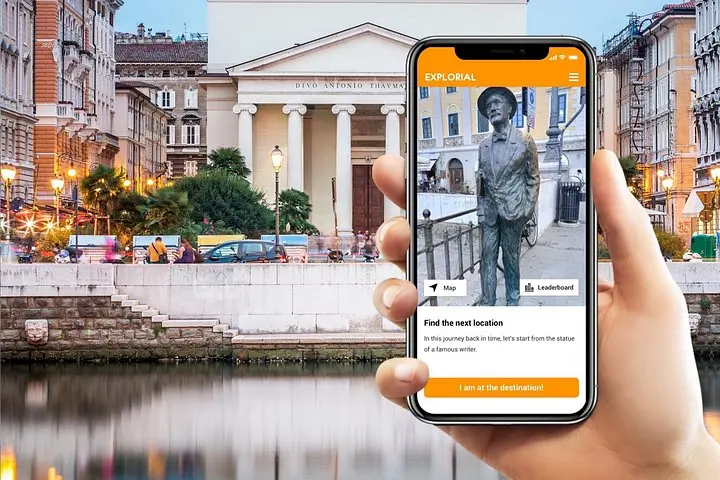

You step off the quay and the sea breeze pushes a page of the city forward — Trieste’s waterfront opens like a map of empires, streets angling toward piazzas and port warehouses now converted to cafés. This self-guided scavenger hunt uses your smartphone as compass and scorecard, sending you to Piazza della Borsa, Canal Grande and the broad face of Piazza Unità d’Italia where the Adriatic crowds the stone.
You step off the quay and the sea breeze pushes a page of the city forward — Trieste’s waterfront opens like a map of empires, streets angling toward piazzas and port warehouses now converted to cafés. This self-guided scavenger hunt uses your smartphone as compass and scorecard, sending you to Piazza della Borsa, Canal Grande and the broad face of Piazza Unità d’Italia where the Adriatic crowds the stone.
Trieste’s history is visible in its architecture: Habsburg-era palaces, Viennese cafés, and maritime warehouses that speak to a port city that linked Central Europe to the Mediterranean. Geologically, the karst limestone cliffs just outside town contrast with the pebbled beaches below, and the city’s streets often slope toward the water, offering abrupt, cinematic views.
Culturally, Trieste is bilingual and cosmopolitan — Italian, Slovenian and traces of Austro-Hungarian life mix in shopfronts and pastries. The game leads you through plaques, canals and tucked-away alleys, encouraging you to read signs, answer questions and complete photo challenges that reveal local stories.
Practical guidance: download the app and redeem your access code before arriving; the route is flexible and typically takes 1–2 hours at a relaxed pace. Wear comfortable shoes for cobbles and short stairways, bring a charged phone and plan for variable coastal weather. The experience is family-friendly and accessible in short segments, but not recommended for those with spinal restrictions or pregnancy. Take breaks in a café, follow local signage, and leave no trace — Trieste rewards curiosity and careful observation.