THE ADVENTURE COLLECTIVE® · Independent discovery and booking for outdoor travel

A private day tour from Trieste that pairs Ljubljana’s compact cultural core with Lake Bled’s alpine calm. Expect scenic drives, a pletna boat ride option, castle views, and a taste of Slovenia’s famous kremšnita.
A private day tour from Trieste that pairs Ljubljana’s compact cultural core with Lake Bled’s alpine calm. Expect scenic drives, a pletna boat ride option, castle views, and a taste of Slovenia’s famous kremšnita.
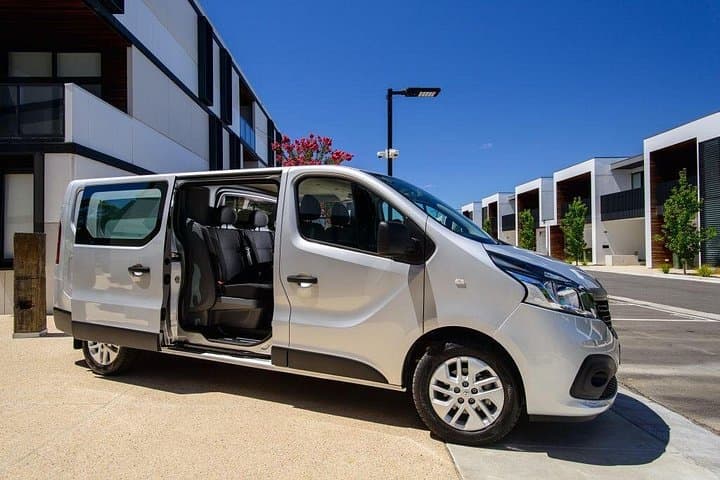
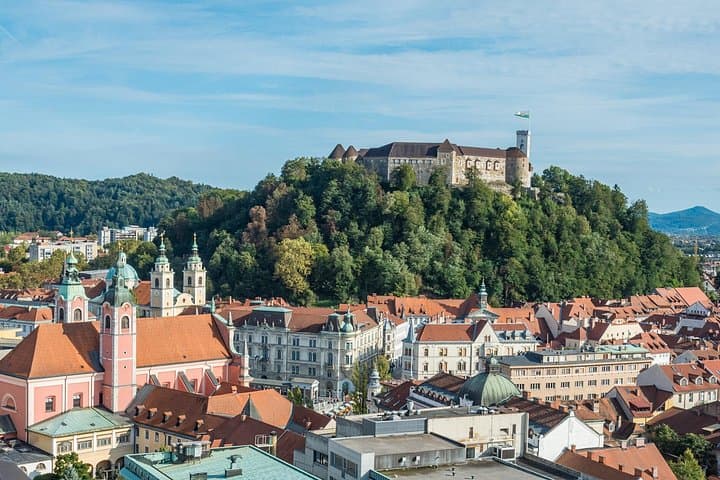
Morning light spills across Trieste as the van pulls away from the quay, folding Italy’s Adriatic breeze into the rearview and steering toward Slovenia’s green lowlands. By the time Ljubljana’s old town appears—bridges arching over the Ljubljanica and café tables spilling onto cobbled streets—the city feels like a living postcard: baroque facades, a castle on the hill, and a river that threads confidence through its center.
Verified experiences and guided adventures in the surrounding area.
Operated by Slovenia Daytrip · Trieste, Friuli-Venezia Giulia
Morning light spills across Trieste as the van pulls away from the quay, folding Italy’s Adriatic breeze into the rearview and steering toward Slovenia’s green lowlands. By the time Ljubljana’s old town appears—bridges arching over the Ljubljanica and café tables spilling onto cobbled streets—the city feels like a living postcard: baroque facades, a castle on the hill, and a river that threads confidence through its center.
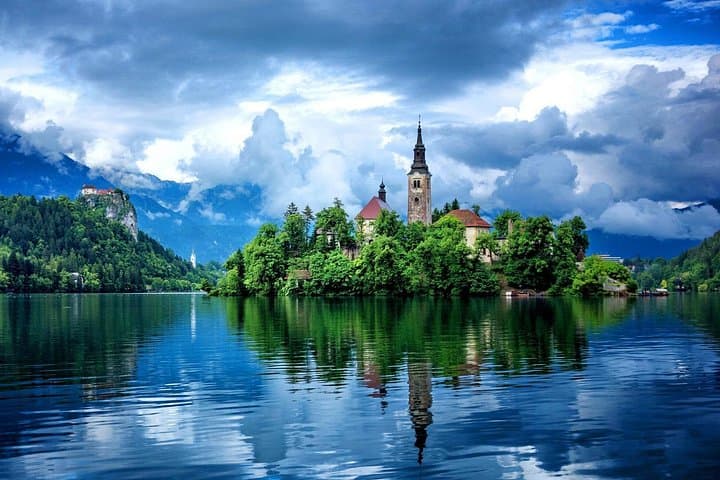
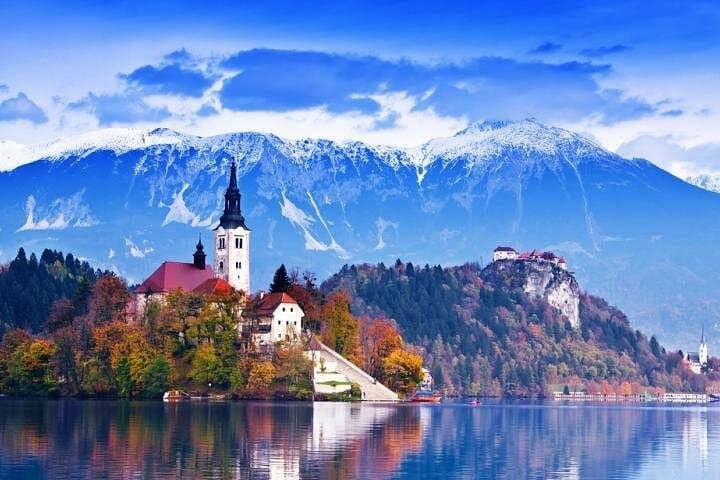
Ljubljana’s layered history stretches from Roman trading post to Habsburg provincial capital, now reimagined as a compact, walkable city with progressive green planning. Geologically, the route climbs from the Adriatic plain into the Julian Alps’ foothills; the land tightens, creeks gather strength and eventually give Lake Bled its alpine clarity. Bled sits at roughly 475 m elevation, a glacial basin ringed by forested slopes and a cliff-top castle that keeps watch over the water.
On arrival visitors will have time to stroll the roughly 6 km lakeshore, ride a traditional pletna to the tiny island church, or climb to Bled Castle for turbines-of-view—each activity offers a different angle on local culture, from the creaminess of kremšnita pastry to centuries-old pilgrimage traditions.
Practical guidance: the full excursion runs about 8–9 hours including transfers — expect ~1h10 drive to Ljubljana and ~45 minutes to Bled. Wear supportive shoes for cobbles and castle stairs, pack a light rain jacket and water, and carry your passport if arriving from international ports. Tickets for island boats, castle entry, or Vintgar Gorge are often paid on-site, so budget time and cash or card. Early departures avoid afternoon crowds and give softer light for photography; the lake’s surface often dares you to wait for the wind to settle for mirror-like reflections.
No; castle admission and pletna boat rides are typically paid on-site—bring cash or card and allow time in your schedule for these options.
Pickup is from Trieste cruise terminal or any location within Trieste town limits—provide your exact pickup details when booking for door-to-door service.
Yes; the tour notes stroller accessibility and infant seats are available, but some sites (castle, island) involve stairs and uneven surfaces.
Provide your ship name and arrival/departure times when booking; the operator updates departure times as port information changes and offers flexible pickup coordination.
Slovenia Daytrip operates guided outdoor trips and adventures with an emphasis on safety, stewardship, and memorable experiences.
Morning light spills across Trieste as the van pulls away from the quay, folding Italy’s Adriatic breeze into the rearview and steering toward Slovenia’s green lowlands. By the time Ljubljana’s old town appears—bridges arching over the Ljubljanica and café tables spilling onto cobbled streets—the city feels like a living postcard: baroque facades, a castle on the hill, and a river that threads confidence through its center.
Morning light spills across Trieste as the van pulls away from the quay, folding Italy’s Adriatic breeze into the rearview and steering toward Slovenia’s green lowlands. By the time Ljubljana’s old town appears—bridges arching over the Ljubljanica and café tables spilling onto cobbled streets—the city feels like a living postcard: baroque facades, a castle on the hill, and a river that threads confidence through its center.
Ljubljana’s layered history stretches from Roman trading post to Habsburg provincial capital, now reimagined as a compact, walkable city with progressive green planning. Geologically, the route climbs from the Adriatic plain into the Julian Alps’ foothills; the land tightens, creeks gather strength and eventually give Lake Bled its alpine clarity. Bled sits at roughly 475 m elevation, a glacial basin ringed by forested slopes and a cliff-top castle that keeps watch over the water.
On arrival visitors will have time to stroll the roughly 6 km lakeshore, ride a traditional pletna to the tiny island church, or climb to Bled Castle for turbines-of-view—each activity offers a different angle on local culture, from the creaminess of kremšnita pastry to centuries-old pilgrimage traditions.
Practical guidance: the full excursion runs about 8–9 hours including transfers — expect ~1h10 drive to Ljubljana and ~45 minutes to Bled. Wear supportive shoes for cobbles and castle stairs, pack a light rain jacket and water, and carry your passport if arriving from international ports. Tickets for island boats, castle entry, or Vintgar Gorge are often paid on-site, so budget time and cash or card. Early departures avoid afternoon crowds and give softer light for photography; the lake’s surface often dares you to wait for the wind to settle for mirror-like reflections.