THE ADVENTURE COLLECTIVE® · Independent discovery and booking for outdoor travel

Ride a three-wheeled trike along Clarence Drive to Hermanus — one of the world’s top land-based whale-watching spots. Expect dramatic coastal views, guided stops, and a full-day outing with lunch and helmets included.
Ride a three-wheeled trike along Clarence Drive to Hermanus — one of the world’s top land-based whale-watching spots. Expect dramatic coastal views, guided stops, and a full-day outing with lunch and helmets included.
The trike hums along the cliff edge of Clarence Drive, the ocean opening left like a challenge and the wind pressing at your cheeks. Salt spray dares you to lean into the view while the three-wheeled machine threads hairpin turns above rocky coves. By mid-morning the town of Hermanus appears — low-roofed, wind-braced, and watching Walker Bay where whales often roll and breach within sight of shore.
Verified experiences and guided adventures in the surrounding area.
Operated by Cape Town Trike Tours · Hermanus, Western Cape
The trike hums along the cliff edge of Clarence Drive, the ocean opening left like a challenge and the wind pressing at your cheeks. Salt spray dares you to lean into the view while the three-wheeled machine threads hairpin turns above rocky coves. By mid-morning the town of Hermanus appears — low-roofed, wind-braced, and watching Walker Bay where whales often roll and breach within sight of shore.
This stretch of coast sits on the southern edge of the Cape Fold Belt; the road carves between folded sandstone ridges and broad sandy bays. Hermanus grew from a 19th-century fishing and whaling settlement into a modern whale-watching hub — its Old Harbour and local museums charting that shift from industry to conservation. Culturally the town balances small-boat fisheries, coastal crafts, and a cafe scene built on sea views.
On a guided trike tour you stop at cliff-top viewpoints rated among the world’s best land-based whale sites, pause for coffee, and take a long lunch at a seafood bistro. Practical realities: expect a full 8-hour day, roughly 1.5–2 hours each way from Cape Town along the R44, and cobbled or narrow stretches that make helmets and steady guides essential. Dress windproof, bring binoculars and a good camera, and time the trip for whale season (June–November) if sightings are your priority. The route is accessible for most fitness levels but not recommended for pregnant travelers or those with serious spinal/heart conditions. Follow your guide’s local protocols to minimize disturbance to whales and coastal habitat.
Peak whale-watching season runs from June through November, when Southern Right whales frequent Walker Bay.
The drive along Clarence Drive to Hermanus takes about 1.5–2 hours each way, depending on traffic and stops.
Yes — helmets are provided and must be worn for safety during the trike portion of the tour.
This tour is sold as all-sales-final; no refunds are available for cancellations and the operator may cancel for bad weather.
Cape Town Trike Tours operates guided outdoor trips and adventures with an emphasis on safety, stewardship, and memorable experiences.
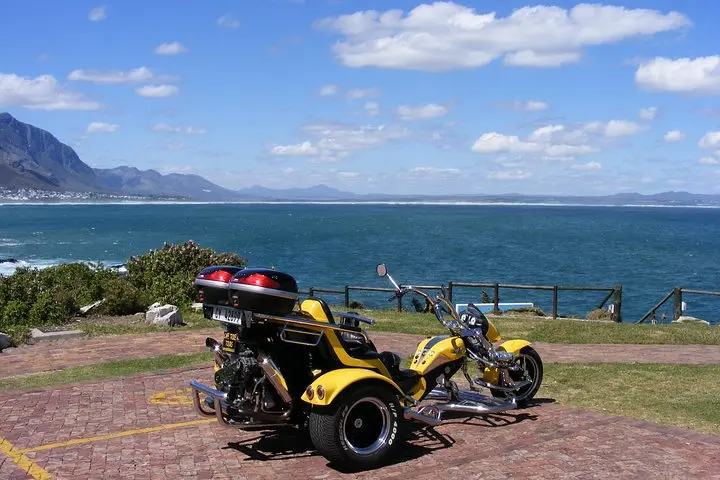
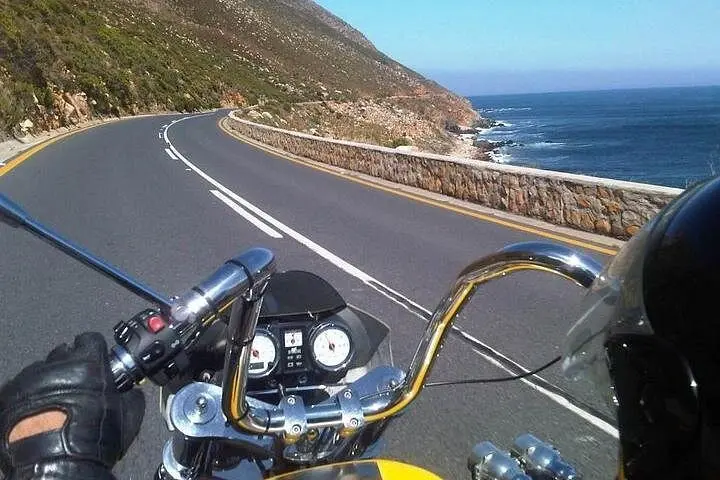
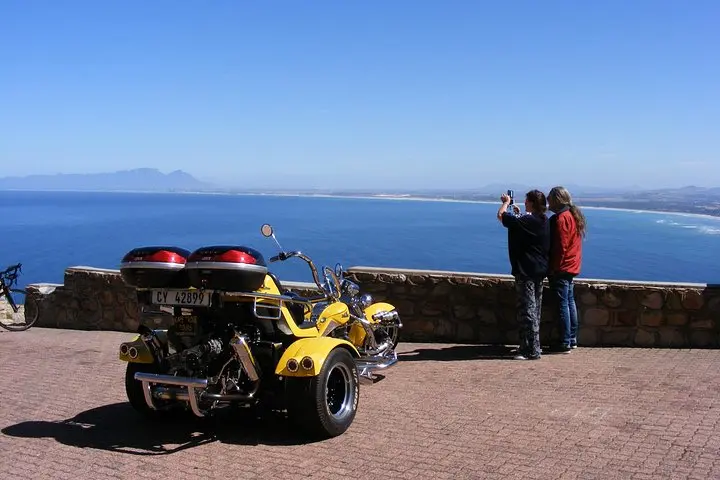
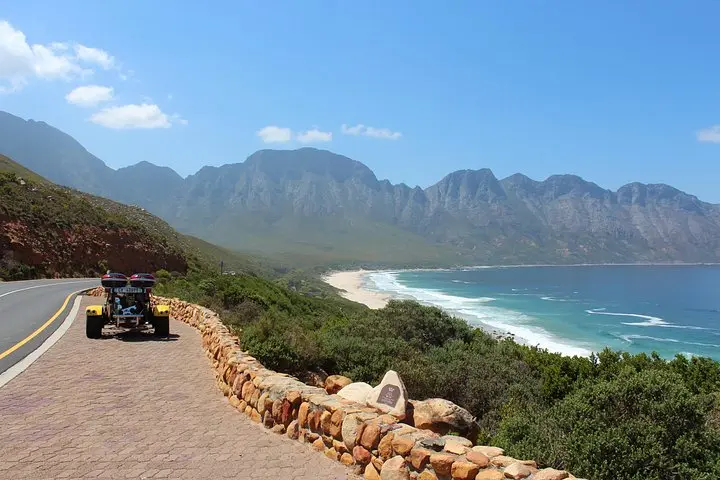
The trike hums along the cliff edge of Clarence Drive, the ocean opening left like a challenge and the wind pressing at your cheeks. Salt spray dares you to lean into the view while the three-wheeled machine threads hairpin turns above rocky coves. By mid-morning the town of Hermanus appears — low-roofed, wind-braced, and watching Walker Bay where whales often roll and breach within sight of shore.
The trike hums along the cliff edge of Clarence Drive, the ocean opening left like a challenge and the wind pressing at your cheeks. Salt spray dares you to lean into the view while the three-wheeled machine threads hairpin turns above rocky coves. By mid-morning the town of Hermanus appears — low-roofed, wind-braced, and watching Walker Bay where whales often roll and breach within sight of shore.
This stretch of coast sits on the southern edge of the Cape Fold Belt; the road carves between folded sandstone ridges and broad sandy bays. Hermanus grew from a 19th-century fishing and whaling settlement into a modern whale-watching hub — its Old Harbour and local museums charting that shift from industry to conservation. Culturally the town balances small-boat fisheries, coastal crafts, and a cafe scene built on sea views.
On a guided trike tour you stop at cliff-top viewpoints rated among the world’s best land-based whale sites, pause for coffee, and take a long lunch at a seafood bistro. Practical realities: expect a full 8-hour day, roughly 1.5–2 hours each way from Cape Town along the R44, and cobbled or narrow stretches that make helmets and steady guides essential. Dress windproof, bring binoculars and a good camera, and time the trip for whale season (June–November) if sightings are your priority. The route is accessible for most fitness levels but not recommended for pregnant travelers or those with serious spinal/heart conditions. Follow your guide’s local protocols to minimize disturbance to whales and coastal habitat.