THE ADVENTURE COLLECTIVE® · Independent discovery and booking for outdoor travel

A compact two-day journey from Trincomalee to Sigiriya that pairs the ancient grandeur of Lion Rock and Dambulla’s cave temples with a late-afternoon wild elephant safari at Minneriya. Expect steep climbs, fiery light, and unforgettable animal encounters.
A compact two-day journey from Trincomalee to Sigiriya that pairs the ancient grandeur of Lion Rock and Dambulla’s cave temples with a late-afternoon wild elephant safari at Minneriya. Expect steep climbs, fiery light, and unforgettable animal encounters.
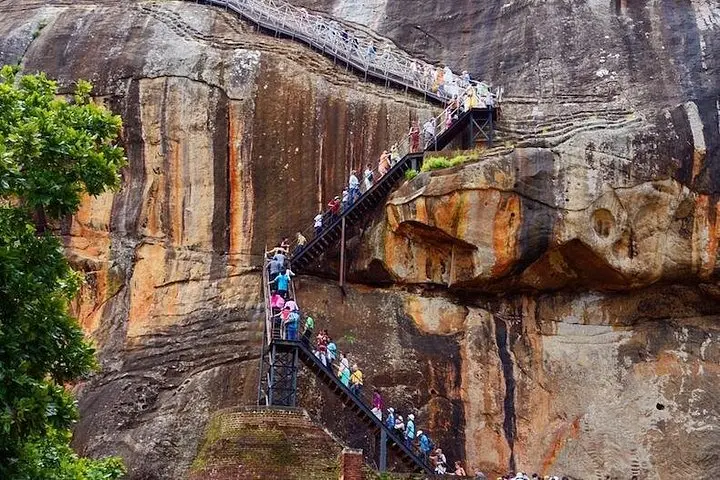
The van hums away from Trincomalee before dawn and the coastline gives way to flat, green paddy fields that tilt up toward a single, stubborn slab of rock: Sigiriya. By midmorning the heat has a presence of its own; the rock’s face throws back light and shadow like a living map. Climbers pause for breath on iron steps carved into ancient masonry; monkeys watch with the casual entitlement of locals. This is a trip that stitches together Sri Lanka’s dramatic geology, devotional art, and the slow, unexpected theater of wild elephants gathering on a lakebed.
Verified experiences and guided adventures in the surrounding area.
Operated by Ishan Tours and Holidays · Sigiriya, Central Province
The van hums away from Trincomalee before dawn and the coastline gives way to flat, green paddy fields that tilt up toward a single, stubborn slab of rock: Sigiriya. By midmorning the heat has a presence of its own; the rock’s face throws back light and shadow like a living map. Climbers pause for breath on iron steps carved into ancient masonry; monkeys watch with the casual entitlement of locals. This is a trip that stitches together Sri Lanka’s dramatic geology, devotional art, and the slow, unexpected theater of wild elephants gathering on a lakebed.
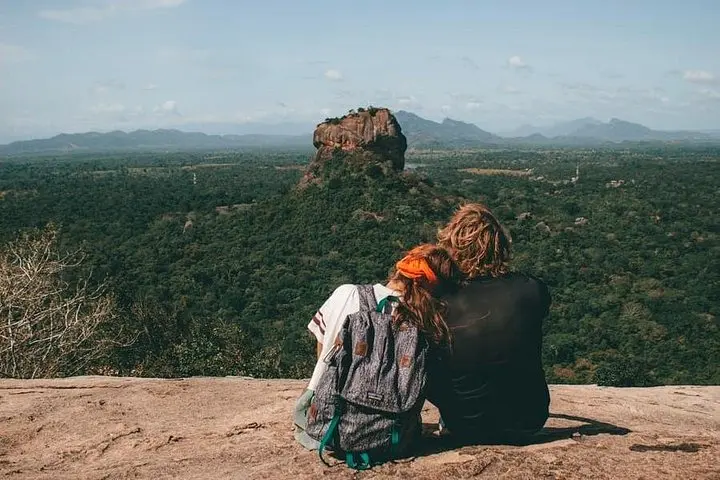
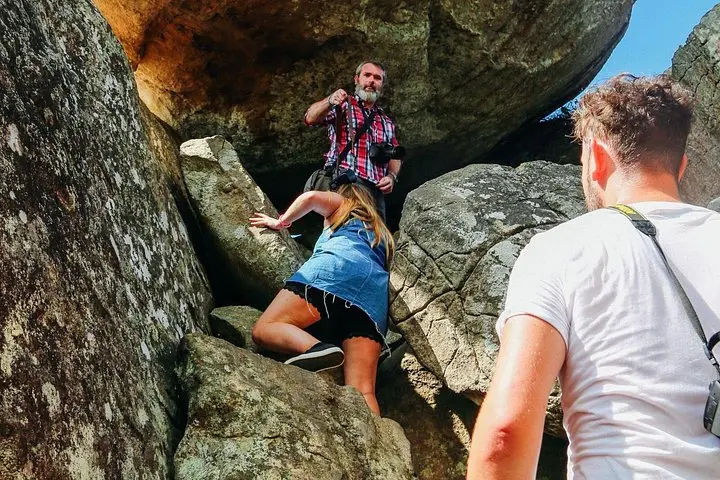
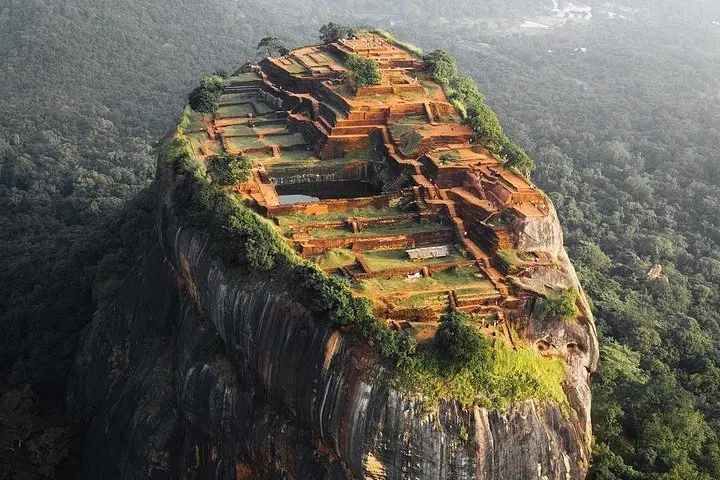
Sigiriya’s Lion Rock dominates the first day. Formed from magma of an extinct volcano, the rock rises about 200 meters above the surrounding plain and crowns the landscape at roughly 370 meters above sea level. The fortress-palace complex, raised in the 5th century by King Kasyapa, still holds frescoes, engineered gardens and the ghostly outline of a lion’s paws on the summit staircase. A short scramble at Pidurangala the next morning delivers a different reward: a grittier climb across boulders and a wide, uninterrupted view back to Sigiriya’s perfect silhouette—one of the island’s best sunrise vantage points.
Day two shifts from cultural monuments to Minneriya’s open plain where elephants patrol reed beds and trudge through mud. Between July and September the park stages one of the world’s largest seasonal congregations of Asian elephants; at other times the safari still delivers langurs, sambar deer and dozens of endemic birds. Complementing terrain and wildlife are human-scale experiences: a village tour that introduces spice gardens and roadside artisans, and the slow calm of an Ayurvedic spa—practical counterpoints to the climb-and-roar schedule.
Practicalities are simple but important. The tour is private and typically starts in Trincomalee with hotel pickup arranged at booking; admission fees to Sigiriya and Dambulla are usually paid on-site. Expect steep stairs and uneven rock on both Sigiriya and Pidurangala—sturdy footwear is not optional. Heat and sun are constant factors; carry water, wide-brim protection and insect repellent for temple caves and dusk safaris.
Plan timing around light: Pidurangala at sunrise; the Minneriya safari in late afternoon when wildlife concentrates near water. Respect temple dress codes—shoulders and knees covered—and keep distance from elephants; they can look docile and move fast. Over two compact days, this route delivers bold geology, centuries of art, and some of Sri Lanka’s most memorable wildlife encounters—an efficient, sensory-rich introduction to the island’s Cultural Triangle and its wild edges.
The transfer typically takes about 2–3 hours depending on traffic and your exact pickup point in Trincomalee.
No—entrance fees for Sigiriya Rock and Dambulla Cave Temple are usually paid on-site; bring local currency.
The largest gatherings occur between July and September, but Minneriya offers good sightings year-round especially late afternoon.
The safari and village tours are family-friendly; however, both Sigiriya and Pidurangala involve steep stairs and uneven terrain that may be challenging for very young children or those with limited mobility.
Yes—this private tour meets travelers at a predetermined start point in Trincomalee; confirm pickup details when booking.
Carry water, pace yourself on climbs, and consult a doctor if you have cardiovascular issues; notify the operator of any medical needs when booking.
Ishan Tours and Holidays operates guided outdoor trips and adventures with an emphasis on safety, stewardship, and memorable experiences.
The van hums away from Trincomalee before dawn and the coastline gives way to flat, green paddy fields that tilt up toward a single, stubborn slab of rock: Sigiriya. By midmorning the heat has a presence of its own; the rock’s face throws back light and shadow like a living map. Climbers pause for breath on iron steps carved into ancient masonry; monkeys watch with the casual entitlement of locals. This is a trip that stitches together Sri Lanka’s dramatic geology, devotional art, and the slow, unexpected theater of wild elephants gathering on a lakebed.
The van hums away from Trincomalee before dawn and the coastline gives way to flat, green paddy fields that tilt up toward a single, stubborn slab of rock: Sigiriya. By midmorning the heat has a presence of its own; the rock’s face throws back light and shadow like a living map. Climbers pause for breath on iron steps carved into ancient masonry; monkeys watch with the casual entitlement of locals. This is a trip that stitches together Sri Lanka’s dramatic geology, devotional art, and the slow, unexpected theater of wild elephants gathering on a lakebed.
Sigiriya’s Lion Rock dominates the first day. Formed from magma of an extinct volcano, the rock rises about 200 meters above the surrounding plain and crowns the landscape at roughly 370 meters above sea level. The fortress-palace complex, raised in the 5th century by King Kasyapa, still holds frescoes, engineered gardens and the ghostly outline of a lion’s paws on the summit staircase. A short scramble at Pidurangala the next morning delivers a different reward: a grittier climb across boulders and a wide, uninterrupted view back to Sigiriya’s perfect silhouette—one of the island’s best sunrise vantage points.
Day two shifts from cultural monuments to Minneriya’s open plain where elephants patrol reed beds and trudge through mud. Between July and September the park stages one of the world’s largest seasonal congregations of Asian elephants; at other times the safari still delivers langurs, sambar deer and dozens of endemic birds. Complementing terrain and wildlife are human-scale experiences: a village tour that introduces spice gardens and roadside artisans, and the slow calm of an Ayurvedic spa—practical counterpoints to the climb-and-roar schedule.
Practicalities are simple but important. The tour is private and typically starts in Trincomalee with hotel pickup arranged at booking; admission fees to Sigiriya and Dambulla are usually paid on-site. Expect steep stairs and uneven rock on both Sigiriya and Pidurangala—sturdy footwear is not optional. Heat and sun are constant factors; carry water, wide-brim protection and insect repellent for temple caves and dusk safaris.
Plan timing around light: Pidurangala at sunrise; the Minneriya safari in late afternoon when wildlife concentrates near water. Respect temple dress codes—shoulders and knees covered—and keep distance from elephants; they can look docile and move fast. Over two compact days, this route delivers bold geology, centuries of art, and some of Sri Lanka’s most memorable wildlife encounters—an efficient, sensory-rich introduction to the island’s Cultural Triangle and its wild edges.