THE ADVENTURE COLLECTIVE® · Independent discovery and booking for outdoor travel

Spend a full day around Trincomalee visiting Thiru Koneswaram Temple, Fort Frederick and snorkeling at Pigeon Island. This shore-based tour pairs cultural sites with a compact, reef-rich snorkel — ideal for travelers who want history and marine life on the same day.
Spend a full day around Trincomalee visiting Thiru Koneswaram Temple, Fort Frederick and snorkeling at Pigeon Island. This shore-based tour pairs cultural sites with a compact, reef-rich snorkel — ideal for travelers who want history and marine life on the same day.
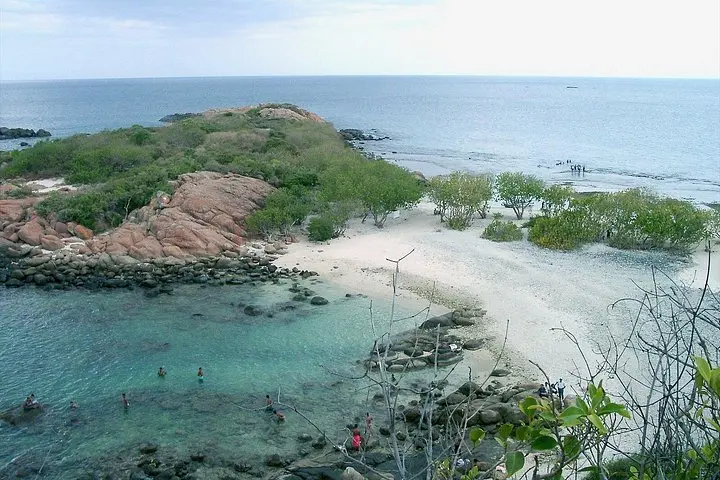
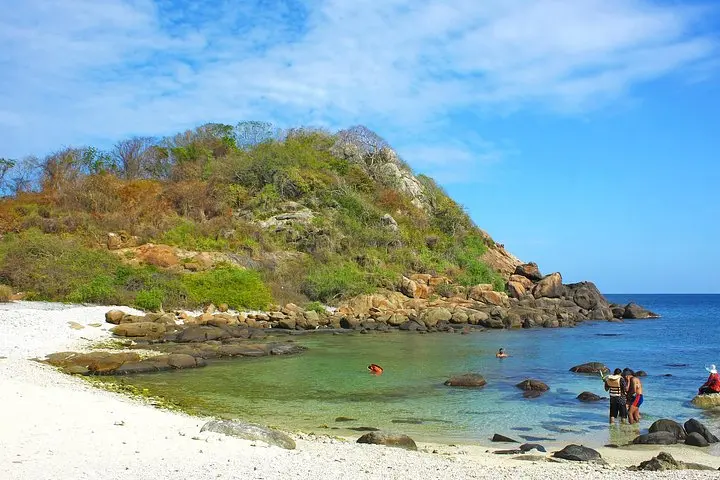
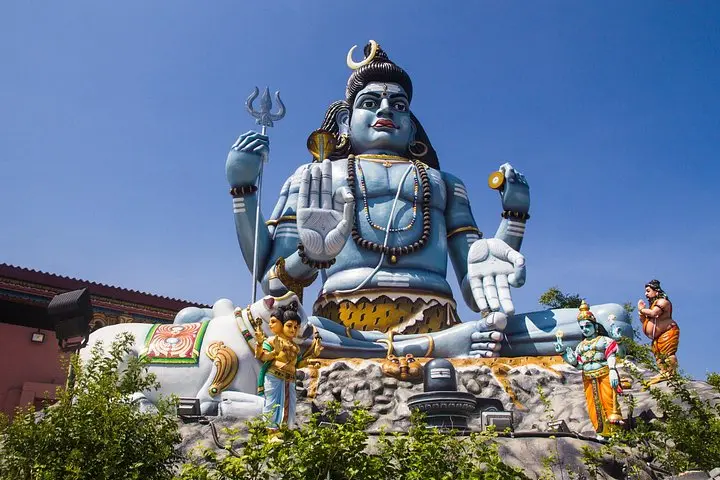
Morning light slices over Swami Rock and the sea breathes against the harbor — that’s where a full-day run through Trincomalee begins. Travelers are picked up around town, driven up the cliff to Thiru Koneswaram Temple where carved deities sit above a cobalt bay, and then led through the layered history of Fort Frederick before a public-boat crossing to Pigeon Island for snorkeling among compact reefs.
Verified experiences and guided adventures in the surrounding area.
Operated by Train Journeys in Sri Lanka · Trincomalee, Eastern Province
Morning light slices over Swami Rock and the sea breathes against the harbor — that’s where a full-day run through Trincomalee begins. Travelers are picked up around town, driven up the cliff to Thiru Koneswaram Temple where carved deities sit above a cobalt bay, and then led through the layered history of Fort Frederick before a public-boat crossing to Pigeon Island for snorkeling among compact reefs.
Trincomalee’s harbor has strategic depth and a contested past: Portuguese, Dutch and British forces all shaped the coastline, while Swami Rock holds older Hindu and Buddhist ties and the local “Lovers Leap” lore. Geologically the headland is a hard rock promontory meeting warm Indian Ocean waters, creating steep coastal cliffs, shallow reef flats and clear visibility offshore — conditions that made the harbor important to sailors and now makes Pigeon Island a concentrated marine reserve.
Expect crowded periods at the temple and a public-boat experience to the island that’s basic but serviceable. Snorkel sites are compact — hundreds of reef species visible in short swims — and wildlife sightings often include hawksbill turtles and blacktip reef sharks in shallow water.
Practical guidance: start at sunrise to beat heat and crowds, bring reef-safe sunscreen and a lightweight change of clothes for temple respect, and pack reef shoes for rocky approaches at Nilaveli. Hydrate through the day; the trip runs about 9–10 hours with easy walking and brief boat transfers. Local guides handle permits and entrance fees, leaving visitors to focus on views, history and a rewarding snorkel around one of Sri Lanka’s most accessible coral patches.
Boat fees and entrance to Pigeon Island are included; snorkeling gear may be rented locally but confirm with the operator in advance.
Yes — infants must sit on an adult’s lap and the itinerary is rated easy with minimal walking required.
The public boat is short (about 15–30 minutes) and typically in calm water, but those sensitive to motion should bring medication or choose a seat mid-boat.
Photography rules vary; modest, respectful photography is generally accepted outside and on approaches, but follow signs and priestly guidance near inner sanctums.
Train Journeys in Sri Lanka operates guided outdoor trips and adventures with an emphasis on safety, stewardship, and memorable experiences.
Morning light slices over Swami Rock and the sea breathes against the harbor — that’s where a full-day run through Trincomalee begins. Travelers are picked up around town, driven up the cliff to Thiru Koneswaram Temple where carved deities sit above a cobalt bay, and then led through the layered history of Fort Frederick before a public-boat crossing to Pigeon Island for snorkeling among compact reefs.
Morning light slices over Swami Rock and the sea breathes against the harbor — that’s where a full-day run through Trincomalee begins. Travelers are picked up around town, driven up the cliff to Thiru Koneswaram Temple where carved deities sit above a cobalt bay, and then led through the layered history of Fort Frederick before a public-boat crossing to Pigeon Island for snorkeling among compact reefs.
Trincomalee’s harbor has strategic depth and a contested past: Portuguese, Dutch and British forces all shaped the coastline, while Swami Rock holds older Hindu and Buddhist ties and the local “Lovers Leap” lore. Geologically the headland is a hard rock promontory meeting warm Indian Ocean waters, creating steep coastal cliffs, shallow reef flats and clear visibility offshore — conditions that made the harbor important to sailors and now makes Pigeon Island a concentrated marine reserve.
Expect crowded periods at the temple and a public-boat experience to the island that’s basic but serviceable. Snorkel sites are compact — hundreds of reef species visible in short swims — and wildlife sightings often include hawksbill turtles and blacktip reef sharks in shallow water.
Practical guidance: start at sunrise to beat heat and crowds, bring reef-safe sunscreen and a lightweight change of clothes for temple respect, and pack reef shoes for rocky approaches at Nilaveli. Hydrate through the day; the trip runs about 9–10 hours with easy walking and brief boat transfers. Local guides handle permits and entrance fees, leaving visitors to focus on views, history and a rewarding snorkel around one of Sri Lanka’s most accessible coral patches.