THE ADVENTURE COLLECTIVE® · Independent discovery and booking for outdoor travel

A three-day loop from Dambulla to Trincomalee and Nilaveli mixes UNESCO cave temples with calm sandy bays and coral-fringed snorkeling. Expect coastal drives, cultural sites like Koneswaram Temple, and mornings on clear, shallow reefs.
A three-day loop from Dambulla to Trincomalee and Nilaveli mixes UNESCO cave temples with calm sandy bays and coral-fringed snorkeling. Expect coastal drives, cultural sites like Koneswaram Temple, and mornings on clear, shallow reefs.
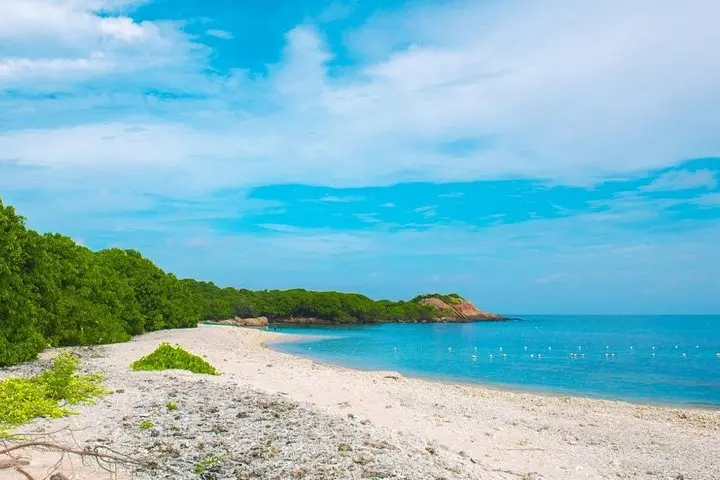
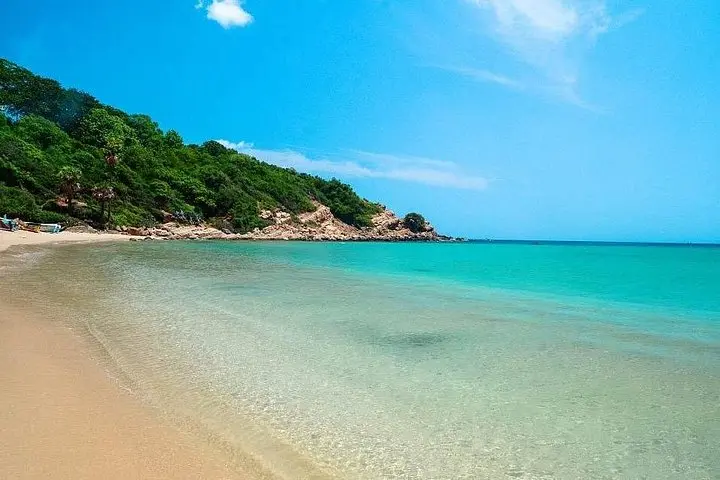
The morning light here strips the harbor to color: a working port, long sandy fingers of beach, and palms that lean toward the sea as if to listen. On day one a chauffeured drive eases out of Dambulla’s dry plains and into the eastern coastline’s humid air, where Trincomalee’s deep-water port opens like a watchful mouth and Nilaveli’s sand invites quiet.
Verified experiences and guided adventures in the surrounding area.
Operated by Ceylon Travel Dream · Trincomalee, Eastern Province
The morning light here strips the harbor to color: a working port, long sandy fingers of beach, and palms that lean toward the sea as if to listen. On day one a chauffeured drive eases out of Dambulla’s dry plains and into the eastern coastline’s humid air, where Trincomalee’s deep-water port opens like a watchful mouth and Nilaveli’s sand invites quiet.
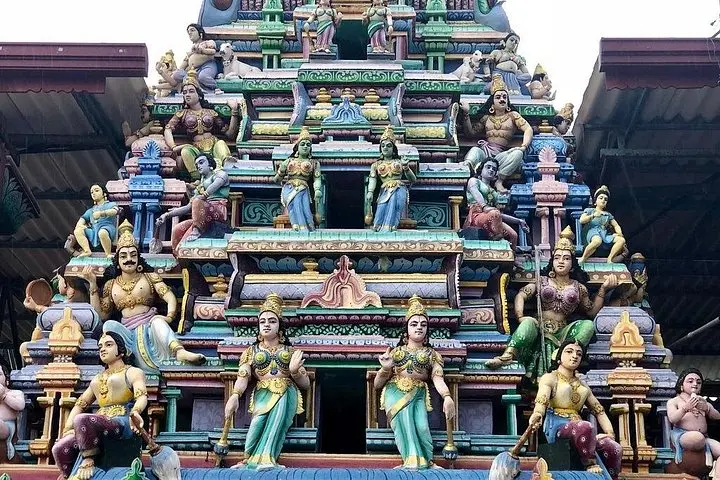
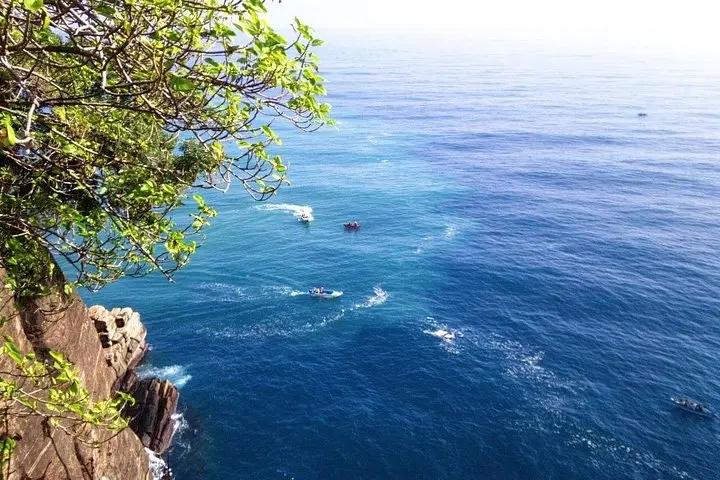
This region stitches together layered histories — the Koneswaram (Thirukoneshwaram) temple perches above the bay, a Hindu site tied to centuries of maritime pilgrimage, while Dambulla’s cave temples (a UNESCO World Heritage Site) record Buddhist devotion carved into vaulted rock. Geologically, the coast is a flat coral-rimmed shelf turning quickly to deeper sea; offshore reefs and outcrops create calm lagoons on some days and playful surf on others. Local culture is a mix of Tamil Hindu traditions in Trincomalee and Sri Lankan coastal livelihoods — fishing boats, toddy tapping, and small spice sellers by the roadside.
Practically, expect a three-day itinerary that balances driving, short temple visits, and beach time with options for snorkeling and basic beach sports. Carry reef-safe sunscreen, respect temple dress codes (cover shoulders and knees), and time water activities for calmer morning seas. Hydrate in the heat, bring lightweight layers for a cool evening at the hotel, and be prepared for occasional local crowds around festival days. For travelers who want to pace the trip, plan snorkel gear or book a guided boat to Pigeon Island early in the day when visibility and wildlife activity are best.
This is a three-day private tour with A/C transport, English-speaking guide, breakfasts on days 2–3, mineral water and government taxes included; accommodations are 3-star hotels as described.
Yes — mornings around Nilaveli and Pigeon Island are commonly used for snorkeling; scuba options are available through local operators though they may be booked separately.
Yes—cover shoulders and knees; remove hats and shoes at temple entrances and follow any onsite rules.
The best months for calm seas and snorkeling are generally May through September; December–February can be wetter due to the northeast monsoon.
Ceylon Travel Dream operates guided outdoor trips and adventures with an emphasis on safety, stewardship, and memorable experiences.
The morning light here strips the harbor to color: a working port, long sandy fingers of beach, and palms that lean toward the sea as if to listen. On day one a chauffeured drive eases out of Dambulla’s dry plains and into the eastern coastline’s humid air, where Trincomalee’s deep-water port opens like a watchful mouth and Nilaveli’s sand invites quiet.
The morning light here strips the harbor to color: a working port, long sandy fingers of beach, and palms that lean toward the sea as if to listen. On day one a chauffeured drive eases out of Dambulla’s dry plains and into the eastern coastline’s humid air, where Trincomalee’s deep-water port opens like a watchful mouth and Nilaveli’s sand invites quiet.
This region stitches together layered histories — the Koneswaram (Thirukoneshwaram) temple perches above the bay, a Hindu site tied to centuries of maritime pilgrimage, while Dambulla’s cave temples (a UNESCO World Heritage Site) record Buddhist devotion carved into vaulted rock. Geologically, the coast is a flat coral-rimmed shelf turning quickly to deeper sea; offshore reefs and outcrops create calm lagoons on some days and playful surf on others. Local culture is a mix of Tamil Hindu traditions in Trincomalee and Sri Lankan coastal livelihoods — fishing boats, toddy tapping, and small spice sellers by the roadside.
Practically, expect a three-day itinerary that balances driving, short temple visits, and beach time with options for snorkeling and basic beach sports. Carry reef-safe sunscreen, respect temple dress codes (cover shoulders and knees), and time water activities for calmer morning seas. Hydrate in the heat, bring lightweight layers for a cool evening at the hotel, and be prepared for occasional local crowds around festival days. For travelers who want to pace the trip, plan snorkel gear or book a guided boat to Pigeon Island early in the day when visibility and wildlife activity are best.