THE ADVENTURE COLLECTIVE® · Independent discovery and booking for outdoor travel

Set out from Trincomalee for a full-day jeep safari to Wilpattu National Park, where sand-rimmed willus and patient jeeps increase your chance of spotting leopards, elephants, and crocodiles. The day includes a cultural stop at Kanniya Hot Springs and runs roughly 8–9 hours.
Set out from Trincomalee for a full-day jeep safari to Wilpattu National Park, where sand-rimmed willus and patient jeeps increase your chance of spotting leopards, elephants, and crocodiles. The day includes a cultural stop at Kanniya Hot Springs and runs roughly 8–9 hours.
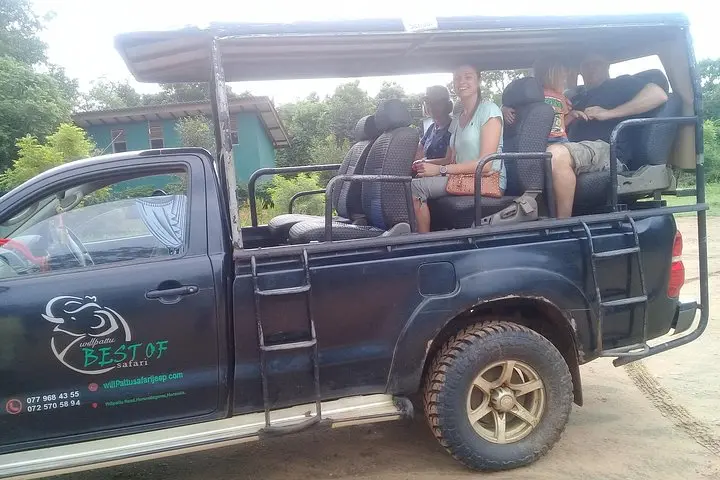
Early light on the dry plains of northwest Sri Lanka catches the rim of a willu — a rain-filled depression — turning it into a mirror that dares you to look closer. You leave Trincomalee before dawn and drive across scrubby lowlands; the jeep rocks over sandy tracks and the forest seems to push at the windows, leaves flicking like curious hands.
Verified experiences and guided adventures in the surrounding area.
Operated by Ishan Tours and Holidays · Trincomalee, Eastern Province
Early light on the dry plains of northwest Sri Lanka catches the rim of a willu — a rain-filled depression — turning it into a mirror that dares you to look closer. You leave Trincomalee before dawn and drive across scrubby lowlands; the jeep rocks over sandy tracks and the forest seems to push at the windows, leaves flicking like curious hands.
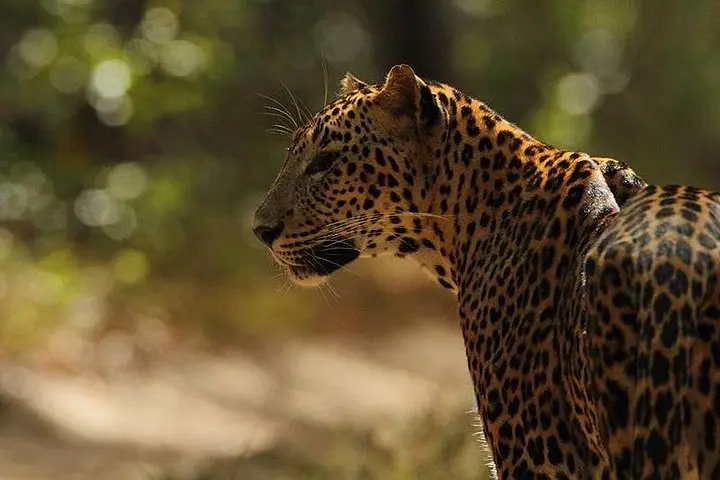
Wilpattu’s story is read in its willus and weather: a patchwork of seasonally inundated basins carved by coastal geology and monsoon rhythms. The park is ancient hunting ground and modern refuge — home to leopards that move like shadows, elephants that negotiate the same waterholes as crocodiles, and birds that punctuate the heat with sudden calls. Cultural threads arrive at the edges — small villages, Buddhist stupas, and colonial-era roads that hint at changing land use around the park.
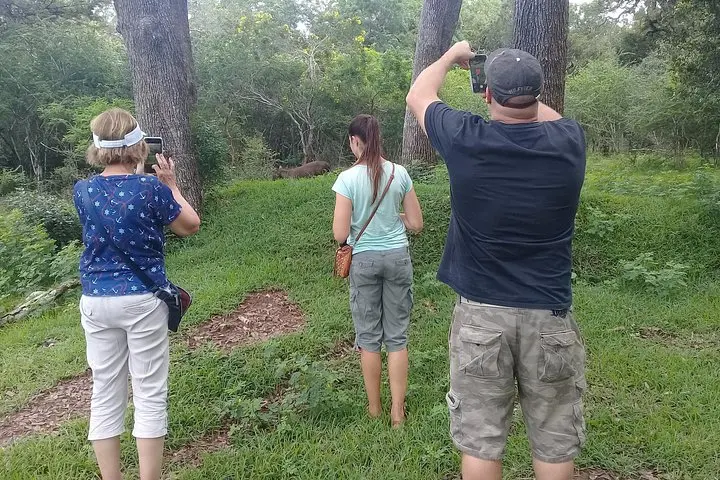
Practically, expect bumpy jeep tracks, short stops for photos, and long, patient watches for wildlife. The main gate (Hunuwilgama) opens early; prime viewing is 6–10 a.m. and late afternoon. Carry water, sun protection, and a good pair of binoculars; a telephoto lens or 200mm+ focal length helps with leopard shots from the jeep.
The route typically includes a calm detour to Kanniya Hot Springs in Trincomalee — a cultural, hands-on contrast to the raw wild. Plan for an 8–9 hour day, moderate heat, and a lot of waiting rewarded by sudden motion: a leopard slipping between grass and shadow. Respect park rules, keep noise low, and let the land decide when it will reveal itself.
The full itinerary is about 8–9 hours (approximately 510 minutes) including transit, a jeep safari in Wilpattu, and the Kanniya Hot Springs stop.
Wilpattu is one of Sri Lanka’s best leopard habitats, but sightings are not guaranteed; long, quiet observation windows improve your odds.
Fees and taxes are listed as included, but confirm at booking whether the park entrance fee is covered for your specific departure date.
The tour is labeled suitable for all fitness levels; however, jeep terrain can be bumpy and requires stepping up into the vehicle, so assess mobility for boarding and short walks.
Ishan Tours and Holidays operates guided outdoor trips and adventures with an emphasis on safety, stewardship, and memorable experiences.
Early light on the dry plains of northwest Sri Lanka catches the rim of a willu — a rain-filled depression — turning it into a mirror that dares you to look closer. You leave Trincomalee before dawn and drive across scrubby lowlands; the jeep rocks over sandy tracks and the forest seems to push at the windows, leaves flicking like curious hands.
Early light on the dry plains of northwest Sri Lanka catches the rim of a willu — a rain-filled depression — turning it into a mirror that dares you to look closer. You leave Trincomalee before dawn and drive across scrubby lowlands; the jeep rocks over sandy tracks and the forest seems to push at the windows, leaves flicking like curious hands.
Wilpattu’s story is read in its willus and weather: a patchwork of seasonally inundated basins carved by coastal geology and monsoon rhythms. The park is ancient hunting ground and modern refuge — home to leopards that move like shadows, elephants that negotiate the same waterholes as crocodiles, and birds that punctuate the heat with sudden calls. Cultural threads arrive at the edges — small villages, Buddhist stupas, and colonial-era roads that hint at changing land use around the park.
Practically, expect bumpy jeep tracks, short stops for photos, and long, patient watches for wildlife. The main gate (Hunuwilgama) opens early; prime viewing is 6–10 a.m. and late afternoon. Carry water, sun protection, and a good pair of binoculars; a telephoto lens or 200mm+ focal length helps with leopard shots from the jeep.
The route typically includes a calm detour to Kanniya Hot Springs in Trincomalee — a cultural, hands-on contrast to the raw wild. Plan for an 8–9 hour day, moderate heat, and a lot of waiting rewarded by sudden motion: a leopard slipping between grass and shadow. Respect park rules, keep noise low, and let the land decide when it will reveal itself.