THE ADVENTURE COLLECTIVE® · Independent discovery and booking for outdoor travel

Head out from Trincomalee Harbor before sunrise for a 2–3 hour boat tour that targets blue whales, sperm whales, and playful dolphins along Sri Lanka’s northeastern shelf. Expect early departures, small-group boats, and an emphasis on responsible viewing.
Head out from Trincomalee Harbor before sunrise for a 2–3 hour boat tour that targets blue whales, sperm whales, and playful dolphins along Sri Lanka’s northeastern shelf. Expect early departures, small-group boats, and an emphasis on responsible viewing.
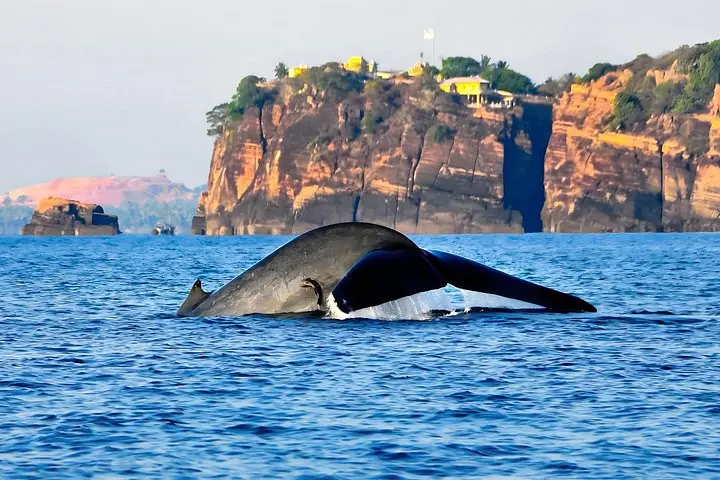
Dawn uncorks itself over Trincomalee Harbor and the boat slips free of the quay, cool spray on your face and the island-studded horizon unrolling ahead. The engine’s rhythm sets a steady cadence as the captain eases toward deeper blue where the ocean widens and the chance of a blue whale sighting rises.
Verified experiences and guided adventures in the surrounding area.
Operated by Whales and Dolphins Watching Tours Trincomalee · Trincomalee, Eastern Province
Dawn uncorks itself over Trincomalee Harbor and the boat slips free of the quay, cool spray on your face and the island-studded horizon unrolling ahead. The engine’s rhythm sets a steady cadence as the captain eases toward deeper blue where the ocean widens and the chance of a blue whale sighting rises.
This stretch of Sri Lanka’s northeast coast sits on the edge of the continental shelf; deep water is close to shore and attracts large pelagics. Trincomalee’s maritime history—once a strategic natural harbor used by seafarers and colonial fleets—still echoes in the working docks and fishing boats that dot the bay. Local crews bring practical knowledge of seasonal whale movements and respect international whale-watching guidelines.
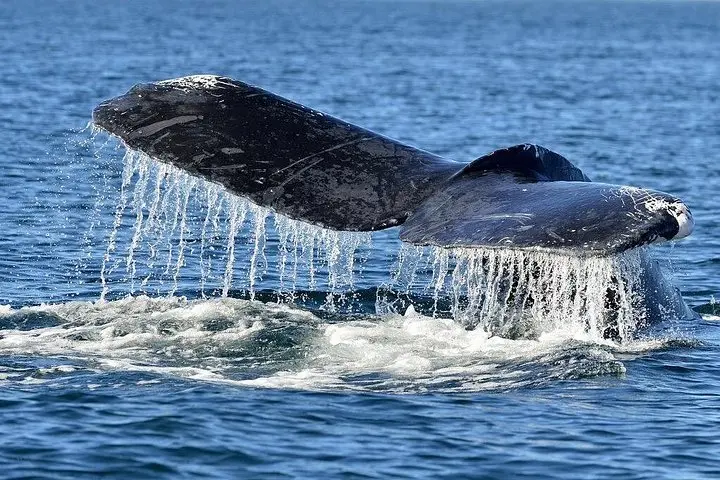
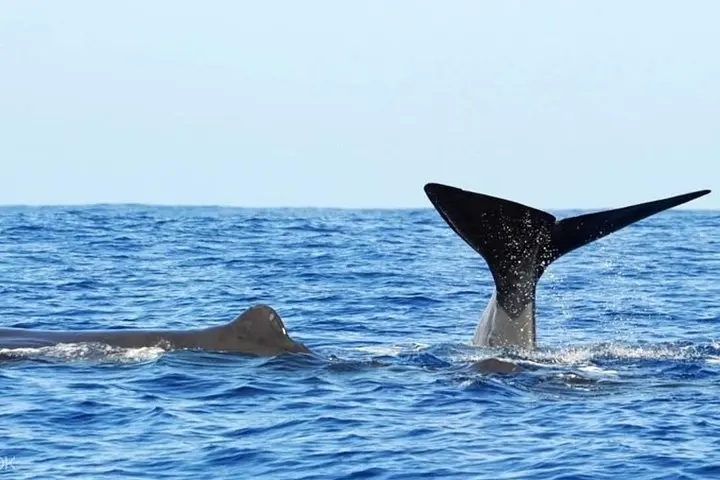
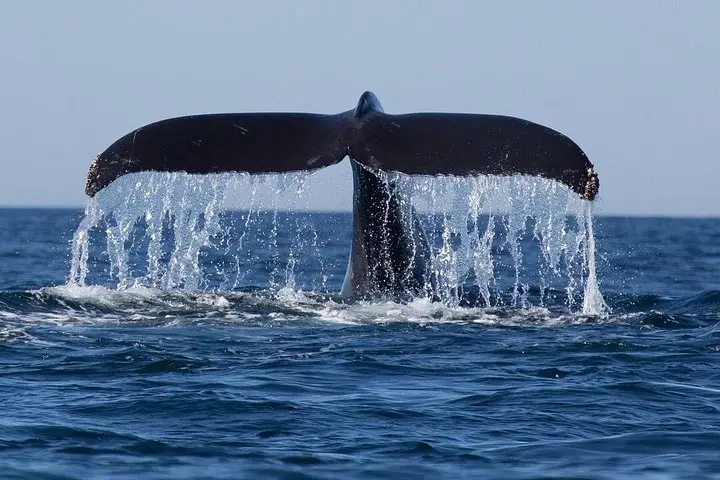
Expect a 2–3 hour outing with an emphasis on viewing rather than swimming: binoculars and camera telephoto are useful, and naturalists often point out dorsal fins, blows, or the telltale rolling of sperm whales. Dolphins are common near the boat, playful and fast; larger whales surface less frequently but leave unmistakable blows and flukes.
Practical notes: tours typically depart early to avoid afternoon winds, so arrive prepared—sunscreen, hat, light layers, and motion-sickness medication if you’re sensitive. Operators on small boats limit passengers for safety and compliance with approach rules; sightings are not guaranteed but the structure of the trip prioritizes responsible viewing and passenger safety. Whether you’re chasing a brief dorsal flash or the slow arc of a blue whale’s back, this tour delivers close encounters with Indian Ocean giants and the living ocean that draws them.
No—sightings depend on animal movements and sea conditions; reputable operators follow areas where whales are most likely and will prioritize searching within safe viewing guidelines.
Yes—most tours are family-friendly and remain on the boat; life jackets are provided and swimming is not required.
The east-coast season generally runs May to September for Trincomalee, when seas are calmer and chances of seeing large whales increase.
Most whale-watching trips focus on observation; snorkeling may not be part of the standard itinerary and depends on operator offerings and sea conditions.
Whales and Dolphins Watching Tours Trincomalee operates guided outdoor trips and adventures with an emphasis on safety, stewardship, and memorable experiences.
Dawn uncorks itself over Trincomalee Harbor and the boat slips free of the quay, cool spray on your face and the island-studded horizon unrolling ahead. The engine’s rhythm sets a steady cadence as the captain eases toward deeper blue where the ocean widens and the chance of a blue whale sighting rises.
Dawn uncorks itself over Trincomalee Harbor and the boat slips free of the quay, cool spray on your face and the island-studded horizon unrolling ahead. The engine’s rhythm sets a steady cadence as the captain eases toward deeper blue where the ocean widens and the chance of a blue whale sighting rises.
This stretch of Sri Lanka’s northeast coast sits on the edge of the continental shelf; deep water is close to shore and attracts large pelagics. Trincomalee’s maritime history—once a strategic natural harbor used by seafarers and colonial fleets—still echoes in the working docks and fishing boats that dot the bay. Local crews bring practical knowledge of seasonal whale movements and respect international whale-watching guidelines.
Expect a 2–3 hour outing with an emphasis on viewing rather than swimming: binoculars and camera telephoto are useful, and naturalists often point out dorsal fins, blows, or the telltale rolling of sperm whales. Dolphins are common near the boat, playful and fast; larger whales surface less frequently but leave unmistakable blows and flukes.
Practical notes: tours typically depart early to avoid afternoon winds, so arrive prepared—sunscreen, hat, light layers, and motion-sickness medication if you’re sensitive. Operators on small boats limit passengers for safety and compliance with approach rules; sightings are not guaranteed but the structure of the trip prioritizes responsible viewing and passenger safety. Whether you’re chasing a brief dorsal flash or the slow arc of a blue whale’s back, this tour delivers close encounters with Indian Ocean giants and the living ocean that draws them.