THE ADVENTURE COLLECTIVE® · Independent discovery and booking for outdoor travel

A full-day rafting trip from Pokhara down the Trishuli River delivers 22 km of grade 2–3 rapids, river gorges, and riverside villages. Ideal for first-timers and intermediate paddlers, the route blends accessible whitewater with scenic Himalayan foothill views.
A full-day rafting trip from Pokhara down the Trishuli River delivers 22 km of grade 2–3 rapids, river gorges, and riverside villages. Ideal for first-timers and intermediate paddlers, the route blends accessible whitewater with scenic Himalayan foothill views.
You stand on the pebble bank before dawn, mist lifting off a ribbon of water that has cut its way from the Himalaya toward the plains. The Trishuli River—fast, clear, and full of personality—pushes at the boat as guides check lines and hand out paddles. For the next few hours the river will prod, cajole and occasionally throw you sideways, delivering a compact dose of whitewater and wide, river-carved gorge scenery.
Verified experiences and guided adventures in the surrounding area.
Operated by Saara Tourism Nepal-Travel Advisor in Nepal · Pokhara, Gandaki Province
You stand on the pebble bank before dawn, mist lifting off a ribbon of water that has cut its way from the Himalaya toward the plains. The Trishuli River—fast, clear, and full of personality—pushes at the boat as guides check lines and hand out paddles. For the next few hours the river will prod, cajole and occasionally throw you sideways, delivering a compact dose of whitewater and wide, river-carved gorge scenery.
Geology here is honest: younger Himalayan streams have gouged steep walls and piled smooth boulders that shape every rapid. The name Trishuli comes from the Sanskrit trishula, the trident of Shiva, a local tie that threads through riverside shrines and village stories. You’ll pass small traditional settlements, terraced fields, and birdlife that exploits the shifting shoreline.
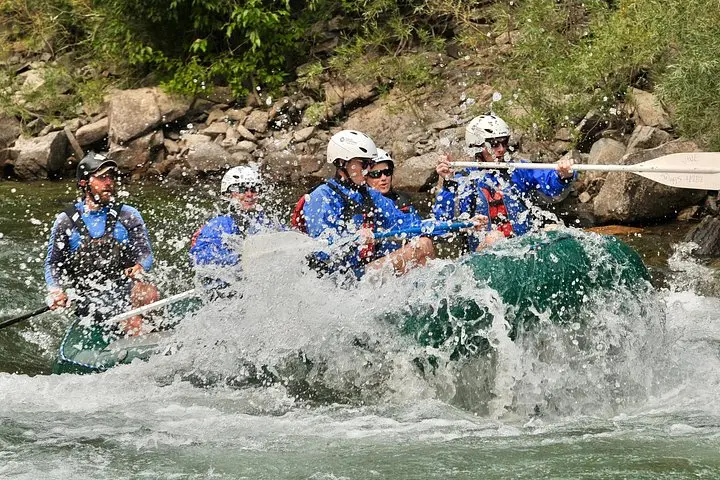
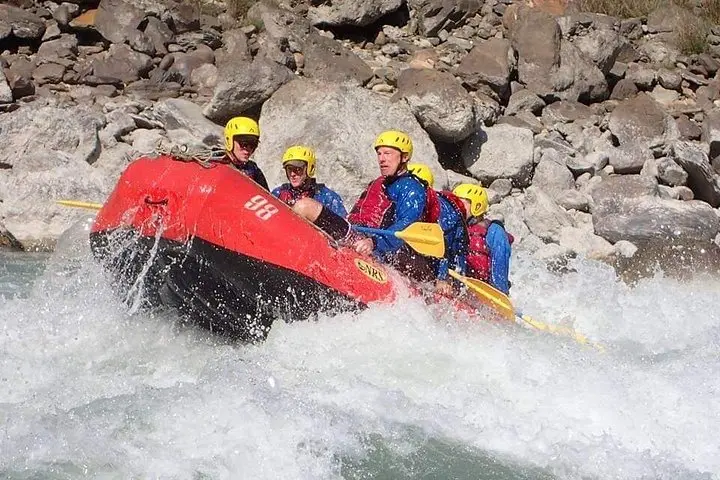
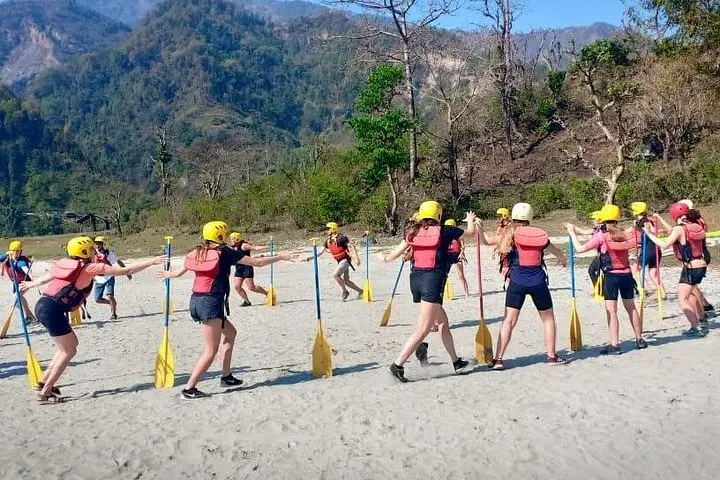
Expect a full-day outing from Pokhara with about 22 km of river and roughly 2–3 hours of active rafting broken by brief stops. Rapids are generally grade 2–3—suitable for beginners but lively enough to feel like an expedition. Terrain is mixed: pebble beaches for breaks, short portage steps in a few rapids, and forested banks that provide shade. Practicalities: wear a secure water shoe, bring a dry bag for essentials, hydrate before departure, and listen closely to safety briefings—guides run techniques and rescue basics before launch.
Timing matters: post-monsoon months give higher flows and fuller rapids; shoulder seasons are calmer and warmer. The trip pairs well with drives between Pokhara and Kathmandu and is a compact way to experience Nepal’s river landscapes without technical climbing or long treks.
The advertised river section is approximately 22 km with about 2–3 hours of active rafting depending on flow and stops.
No—this grade 2–3 trip is guided and suitable for beginners, though basic fitness and ability to follow commands are necessary.
Yes—guides supply helmets, life jackets, paddles and a safety briefing; most trips include a boxed lunch and bottled water.
Yes—this is a full-day excursion with round-trip transport to Pokhara typically included; confirm pickup times on booking.
Saara Tourism Nepal-Travel Advisor in Nepal operates guided outdoor trips and adventures with an emphasis on safety, stewardship, and memorable experiences.
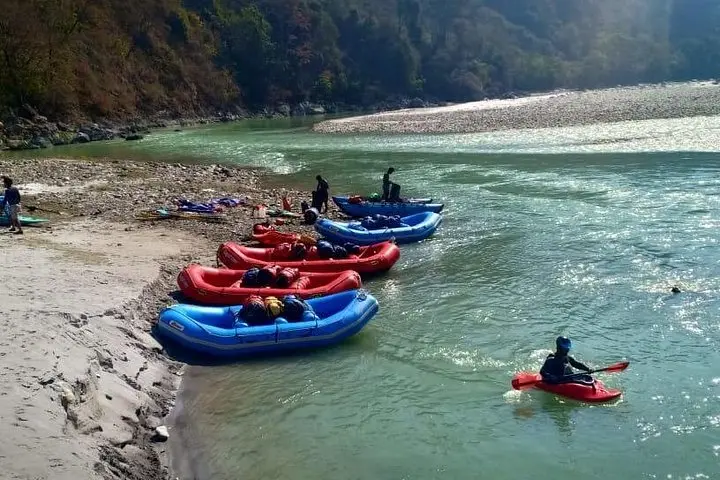
You stand on the pebble bank before dawn, mist lifting off a ribbon of water that has cut its way from the Himalaya toward the plains. The Trishuli River—fast, clear, and full of personality—pushes at the boat as guides check lines and hand out paddles. For the next few hours the river will prod, cajole and occasionally throw you sideways, delivering a compact dose of whitewater and wide, river-carved gorge scenery.
You stand on the pebble bank before dawn, mist lifting off a ribbon of water that has cut its way from the Himalaya toward the plains. The Trishuli River—fast, clear, and full of personality—pushes at the boat as guides check lines and hand out paddles. For the next few hours the river will prod, cajole and occasionally throw you sideways, delivering a compact dose of whitewater and wide, river-carved gorge scenery.
Geology here is honest: younger Himalayan streams have gouged steep walls and piled smooth boulders that shape every rapid. The name Trishuli comes from the Sanskrit trishula, the trident of Shiva, a local tie that threads through riverside shrines and village stories. You’ll pass small traditional settlements, terraced fields, and birdlife that exploits the shifting shoreline.
Expect a full-day outing from Pokhara with about 22 km of river and roughly 2–3 hours of active rafting broken by brief stops. Rapids are generally grade 2–3—suitable for beginners but lively enough to feel like an expedition. Terrain is mixed: pebble beaches for breaks, short portage steps in a few rapids, and forested banks that provide shade. Practicalities: wear a secure water shoe, bring a dry bag for essentials, hydrate before departure, and listen closely to safety briefings—guides run techniques and rescue basics before launch.
Timing matters: post-monsoon months give higher flows and fuller rapids; shoulder seasons are calmer and warmer. The trip pairs well with drives between Pokhara and Kathmandu and is a compact way to experience Nepal’s river landscapes without technical climbing or long treks.