THE ADVENTURE COLLECTIVE® · Independent discovery and booking for outdoor travel

A classic Nepal river run, this 1-night, 2-day Trishuli rafting trip pairs easy access from Kathmandu with lively Class II–III rapids, riverside camping, and cultural roadside scenery. Read on for what to expect, how to prepare, and seasonal tips.
A classic Nepal river run, this 1-night, 2-day Trishuli rafting trip pairs easy access from Kathmandu with lively Class II–III rapids, riverside camping, and cultural roadside scenery. Read on for what to expect, how to prepare, and seasonal tips.
You step off the minivan where the highway bends and the valley narrows—rock walls close in, and the Trishuli’s current announces itself with a steady roar. The river pushes forward as if impatient, sluicing around boulders and carving sandy beaches where tents are pitched for the night. On day one you’ll feel the tempo of Nepali river travel: a drive through terraced fields, a warm lunch on a riverbank, and a string of Class II–III rapids named Upset and Surprise that nudge you to lean in.
Verified experiences and guided adventures in the surrounding area.
Operated by Happyland Treks · Charaudi, Bagmati Province
You step off the minivan where the highway bends and the valley narrows—rock walls close in, and the Trishuli’s current announces itself with a steady roar. The river pushes forward as if impatient, sluicing around boulders and carving sandy beaches where tents are pitched for the night. On day one you’ll feel the tempo of Nepali river travel: a drive through terraced fields, a warm lunch on a riverbank, and a string of Class II–III rapids named Upset and Surprise that nudge you to lean in.
Geology here is plain to read; ancient uplifted ridges shed cobbles and gravel into a gorge-cut channel that accelerates meltwater from the high Gosaikunda basin. Culturally, Trishuli carries myth—locals say Lord Shiva’s trident split the rocks—and the river corridor has long been a trade and travel route linking Kathmandu with western valleys.
Expect broad, sandy campsites, campfire dinners, and tents pitched under a sky that cools fast after sunset. Wildlife along the banks can include kingfishers and the occasional otter; the farming communities you pass are hospitable and used to rafting traffic.
Practical guidance: bring layered, quick-dry clothing, secure water footwear, and a small dry bag for electronics. Hydrate on the drive; sun and spray can both be intense. The rafting itself includes guided paddling sections and assisted swims in calmer eddies—no advanced whitewater skills required but basic swimming and following guide commands are essential.
Timing: early in the monsoon shoulder months yields higher flows without extreme volumes; winter runs are colder and lower.
No—this itinerary runs mostly Class II–III rapids guided by professional rafters; guides coach paddling and safety, though basic swimming ability is required.
Most operators include pickup from central Kathmandu or set pickup points on request—confirm your pickup point when booking and allow extra time for traffic.
Bring a change of clothes, toiletries, any medications, and a compact sleeping liner if you prefer extra warmth; tents and meals are provided by the operator.
Trips can be canceled or rescheduled for heavy monsoon rains or very high river flow; operators typically offer refunds if canceled at least 24 hours prior.
Happyland Treks operates guided outdoor trips and adventures with an emphasis on safety, stewardship, and memorable experiences.
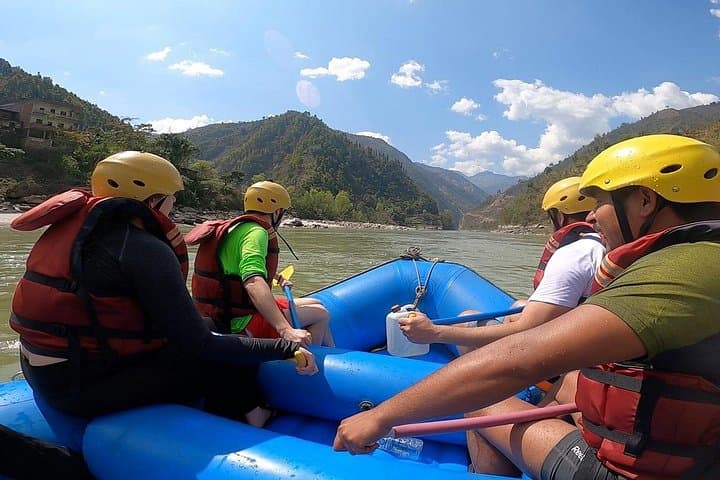
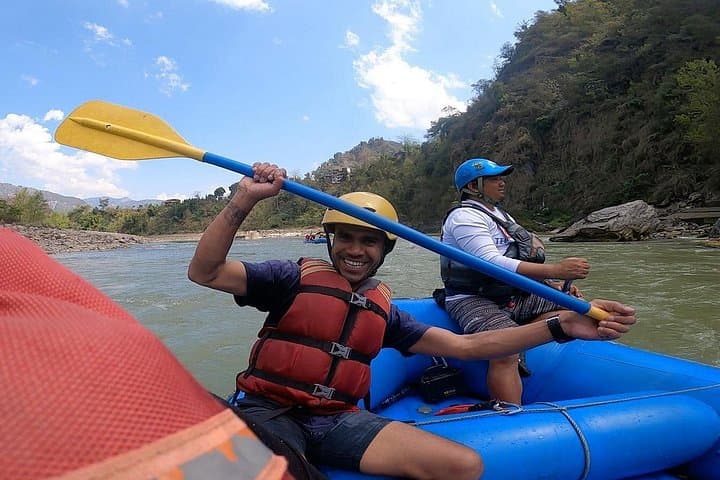
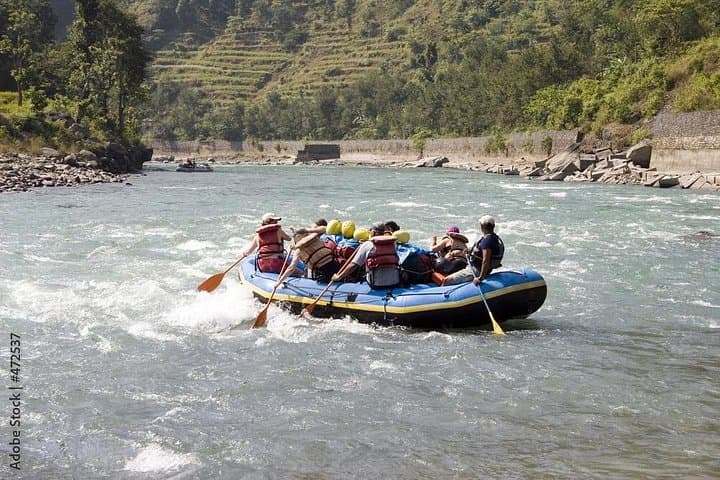
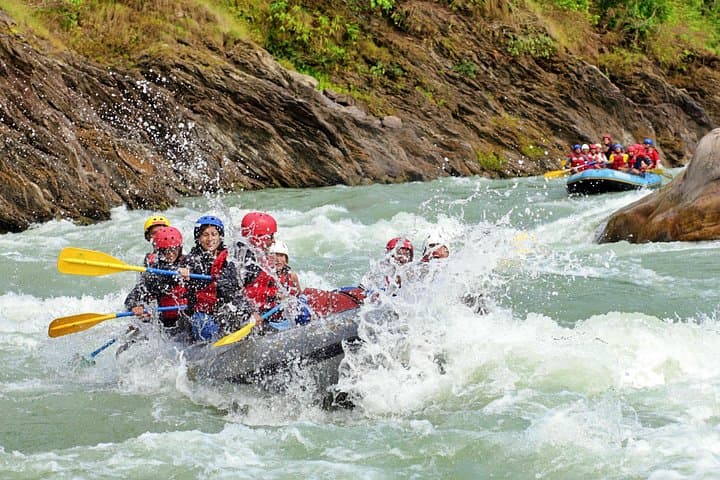
You step off the minivan where the highway bends and the valley narrows—rock walls close in, and the Trishuli’s current announces itself with a steady roar. The river pushes forward as if impatient, sluicing around boulders and carving sandy beaches where tents are pitched for the night. On day one you’ll feel the tempo of Nepali river travel: a drive through terraced fields, a warm lunch on a riverbank, and a string of Class II–III rapids named Upset and Surprise that nudge you to lean in.
You step off the minivan where the highway bends and the valley narrows—rock walls close in, and the Trishuli’s current announces itself with a steady roar. The river pushes forward as if impatient, sluicing around boulders and carving sandy beaches where tents are pitched for the night. On day one you’ll feel the tempo of Nepali river travel: a drive through terraced fields, a warm lunch on a riverbank, and a string of Class II–III rapids named Upset and Surprise that nudge you to lean in.
Geology here is plain to read; ancient uplifted ridges shed cobbles and gravel into a gorge-cut channel that accelerates meltwater from the high Gosaikunda basin. Culturally, Trishuli carries myth—locals say Lord Shiva’s trident split the rocks—and the river corridor has long been a trade and travel route linking Kathmandu with western valleys.
Expect broad, sandy campsites, campfire dinners, and tents pitched under a sky that cools fast after sunset. Wildlife along the banks can include kingfishers and the occasional otter; the farming communities you pass are hospitable and used to rafting traffic.
Practical guidance: bring layered, quick-dry clothing, secure water footwear, and a small dry bag for electronics. Hydrate on the drive; sun and spray can both be intense. The rafting itself includes guided paddling sections and assisted swims in calmer eddies—no advanced whitewater skills required but basic swimming and following guide commands are essential.
Timing: early in the monsoon shoulder months yields higher flows without extreme volumes; winter runs are colder and lower.