THE ADVENTURE COLLECTIVE® · Independent discovery and booking for outdoor travel

A one-day escape from Kathmandu to the Trishuli River: a 3-hour drive leads to 15 km of navigable whitewater, picnic beaches, and a 2–3 hour guided raft through Class II–III rapids. Perfect for first-time rafters seeking a compact, scenic river run.
A one-day escape from Kathmandu to the Trishuli River: a 3-hour drive leads to 15 km of navigable whitewater, picnic beaches, and a 2–3 hour guided raft through Class II–III rapids. Perfect for first-time rafters seeking a compact, scenic river run.
Morning light washes the hills west of Kathmandu as a tourist bus eases onto the Prithvi Highway and the city skyline shrinks behind you. The road winds for roughly three hours before the Trishuli River widens into breaks of riffles and gravel bars — the starting point for a 15-kilometer stretch of guided rafting that usually takes 2–3 hours.
Verified experiences and guided adventures in the surrounding area.
Operated by Breakfree Adventures Pvt. Ltd. · Kurintar (Trishuli River), Bagmati Province
Morning light washes the hills west of Kathmandu as a tourist bus eases onto the Prithvi Highway and the city skyline shrinks behind you. The road winds for roughly three hours before the Trishuli River widens into breaks of riffles and gravel bars — the starting point for a 15-kilometer stretch of guided rafting that usually takes 2–3 hours.
The Trishuli has long been a corridor between Kathmandu and the lowland trade routes; the river’s name echoes Hindu myth (Trishula, Shiva’s trident) and its channel cuts through young Himalayan geology — soft sedimentary beds scored by seasonal floods. Villages line the banks, markets sell roadside tea, and river cobbles tell the story of glaciers far upstream.
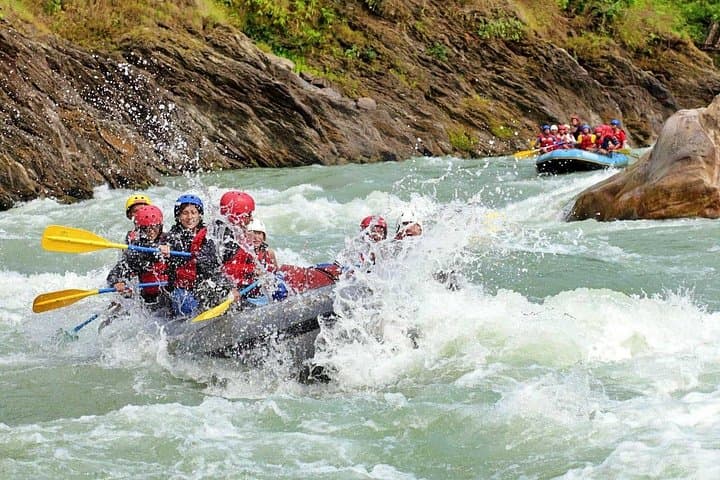
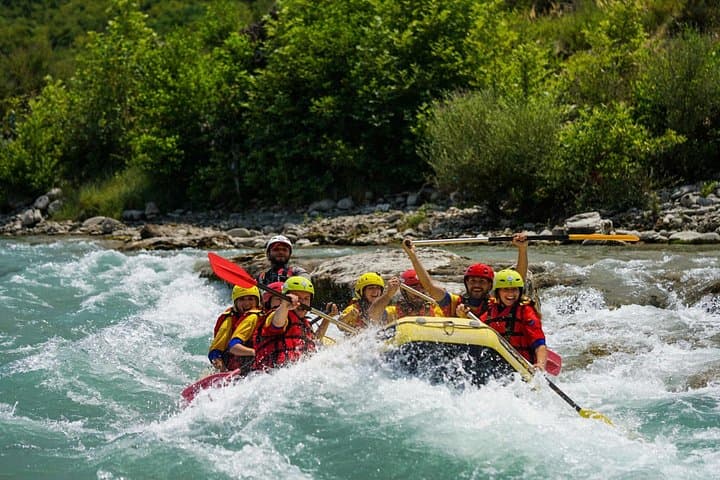
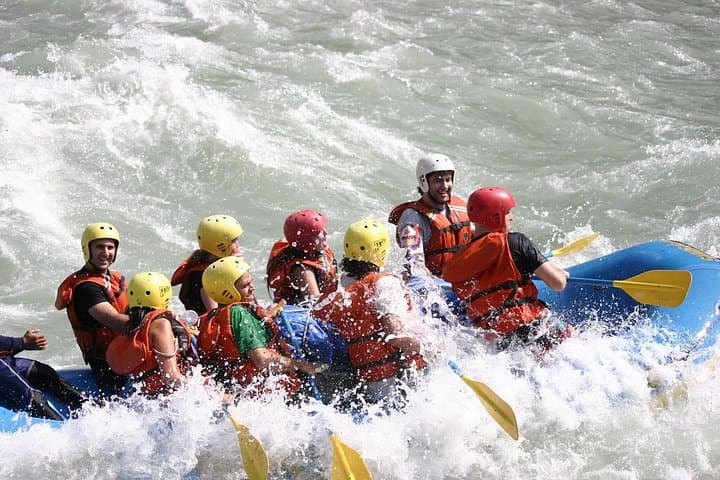
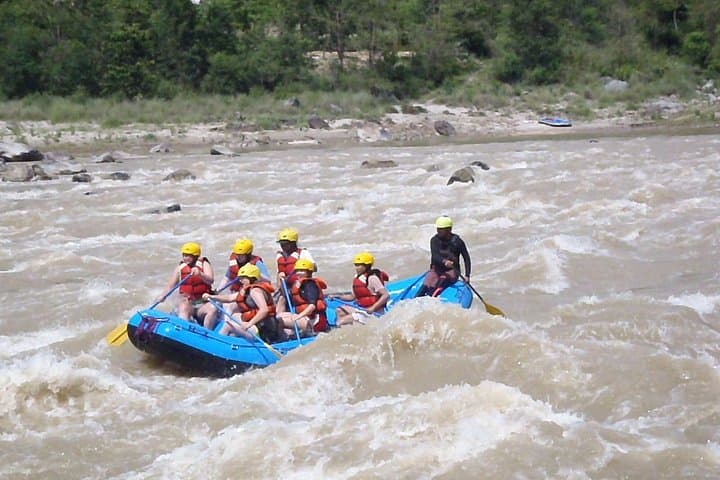
Expect a mix of Class II–III rapids (III at higher flows), calm eddies for swims, and scenic picnic stops on sandy beaches. Local crews run the rafts, give a safety briefing, and supply helmets, lifejackets and paddles; the return is by local bus to Balaju Buspark in Kathmandu.
Practical tips: arrive early, wear quick-dry clothing and a secure water shoe, and bring sunscreen and a small dry bag for essentials. Hydration is crucial in the sun-exposed stretches; listen to your guide on paddle commands and swim procedures. Children travel with adults, and non-swimmers are typically accommodated with extra safety measures.
This day trip is straightforward but lively — a solid introduction to Nepal whitewater with cultural glimpses en route and a satisfying afternoon back in the city.
The trip is about a 2.5–3 hour drive each way, depending on traffic and road conditions on the Prithvi Highway.
The typical stretch includes predominantly Class II–III rapids, with occasional III+ depending on seasonal flow.
No — this is suitable for beginners; guides provide a safety briefing and basic paddle instruction before launch.
Yes — a picnic-style lunch on the riverbank is provided; basic changing facilities or privacy areas are usually available at the take-out.
Breakfree Adventures Pvt. Ltd. operates guided outdoor trips and adventures with an emphasis on safety, stewardship, and memorable experiences.
Morning light washes the hills west of Kathmandu as a tourist bus eases onto the Prithvi Highway and the city skyline shrinks behind you. The road winds for roughly three hours before the Trishuli River widens into breaks of riffles and gravel bars — the starting point for a 15-kilometer stretch of guided rafting that usually takes 2–3 hours.
Morning light washes the hills west of Kathmandu as a tourist bus eases onto the Prithvi Highway and the city skyline shrinks behind you. The road winds for roughly three hours before the Trishuli River widens into breaks of riffles and gravel bars — the starting point for a 15-kilometer stretch of guided rafting that usually takes 2–3 hours.
The Trishuli has long been a corridor between Kathmandu and the lowland trade routes; the river’s name echoes Hindu myth (Trishula, Shiva’s trident) and its channel cuts through young Himalayan geology — soft sedimentary beds scored by seasonal floods. Villages line the banks, markets sell roadside tea, and river cobbles tell the story of glaciers far upstream.
Expect a mix of Class II–III rapids (III at higher flows), calm eddies for swims, and scenic picnic stops on sandy beaches. Local crews run the rafts, give a safety briefing, and supply helmets, lifejackets and paddles; the return is by local bus to Balaju Buspark in Kathmandu.
Practical tips: arrive early, wear quick-dry clothing and a secure water shoe, and bring sunscreen and a small dry bag for essentials. Hydration is crucial in the sun-exposed stretches; listen to your guide on paddle commands and swim procedures. Children travel with adults, and non-swimmers are typically accommodated with extra safety measures.
This day trip is straightforward but lively — a solid introduction to Nepal whitewater with cultural glimpses en route and a satisfying afternoon back in the city.