THE ADVENTURE COLLECTIVE® · Independent discovery and booking for outdoor travel

Short on time but craving whitewater? This full-day Trishuli rafting trip from Kathmandu delivers accessible rapids, scenic river canyons, and a riverside picnic without the multi-day commitment. Learn what to expect and how to prepare.
Short on time but craving whitewater? This full-day Trishuli rafting trip from Kathmandu delivers accessible rapids, scenic river canyons, and a riverside picnic without the multi-day commitment. Learn what to expect and how to prepare.
Morning light cuts the hills as a dusty road drops toward the Trishuli River, and the sound of current grows louder than cars. Rafters gather on a broad sandbar: helmets click on, paddles dip, and the river seems to dare the group forward with a steady, teasing roar.
Verified experiences and guided adventures in the surrounding area.
Operated by Best Adventure Nepal · Trishuli (Trishuli Bazaar), Bagmati Province
Morning light cuts the hills as a dusty road drops toward the Trishuli River, and the sound of current grows louder than cars. Rafters gather on a broad sandbar: helmets click on, paddles dip, and the river seems to dare the group forward with a steady, teasing roar.
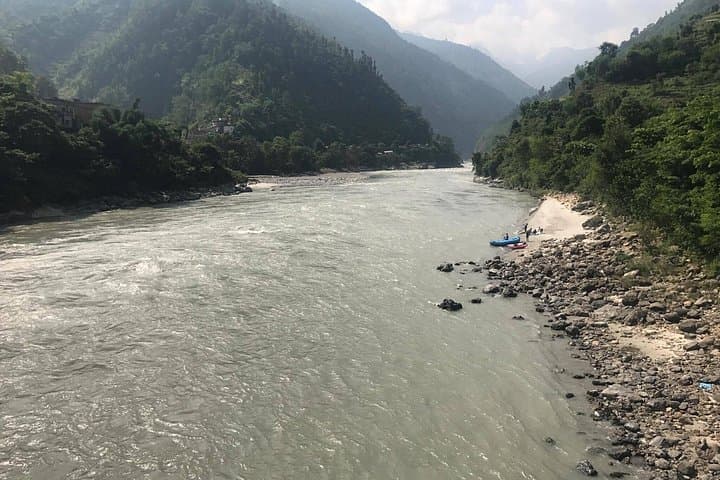
The Trishuli winds through the Lesser Himalaya and Siwalik foothills, fed by highland streams and seasonal monsoon swell. Geologically the gorge alternates cobble bars and shallow ledges—ideal for a day trip that mixes calm floats with a handful of punchy rapids. Culturally this stretch has long served traders and pilgrims connecting Kathmandu with the western lowlands; villages along the banks sell tea, pakoras, and roadside snacks to passing groups.
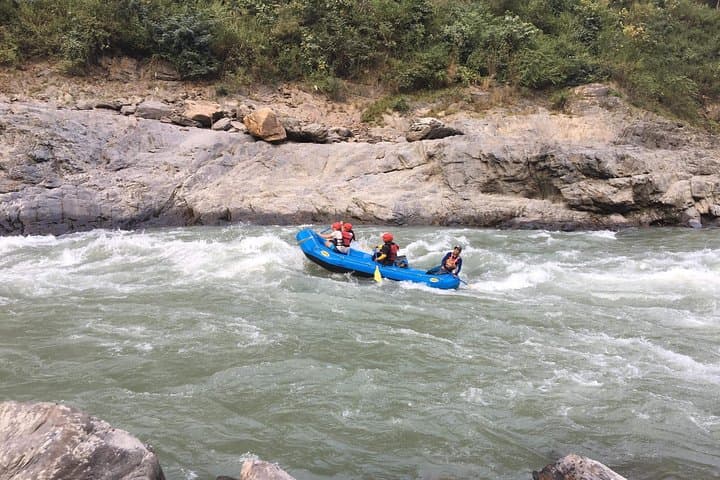
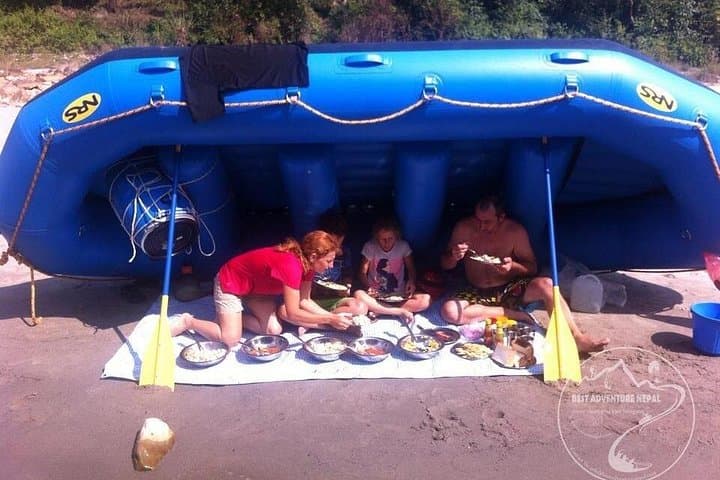
On the water expect a balanced day: a scenic drive of roughly 3–4 hours from Kathmandu, several rapids that deliver adrenaline without prolonged exposure to technical whitewater, and a picnic lunch on a white-sand beach. Guides brief novices on paddling and rescue; swimming is occasional and supported by safety boats.
Practical guidance: wear quick-drying layers and secure water shoes, carry a small dry bag for phone and documents, and plan for early pickup from Kathmandu. The river is runnable year-round—higher volume during the monsoon widens rapids and lowers visibility; spring and autumn offer clearer water and stable weather. If you have extra time, consider an overnight at a riverside camp or combining the trip with travel to Pokhara or Chitwan. Hydrate before the run, listen to your guide’s calls, and expect a fulfilling one-day escape from the city with scenic banks, local roadside culture, and reliable whitewater thrills.
Yes—this day trip is designed for those with little or no rafting experience; guides teach commands and paddling techniques throughout the run.
Typical inclusions are rafting equipment (helmet, lifejacket), a guide and safety boat, snacks, lunch, and transportation from Kathmandu as noted by the operator.
Children can often participate but operators set minimum age limits and require parental supervision; confirm age policies and lifejacket sizing when booking.
Rafting runs year-round—monsoon raises river levels and can make rapids stronger and water murkier, so operators may adjust routes or cancel for safety.
Best Adventure Nepal operates guided outdoor trips and adventures with an emphasis on safety, stewardship, and memorable experiences.
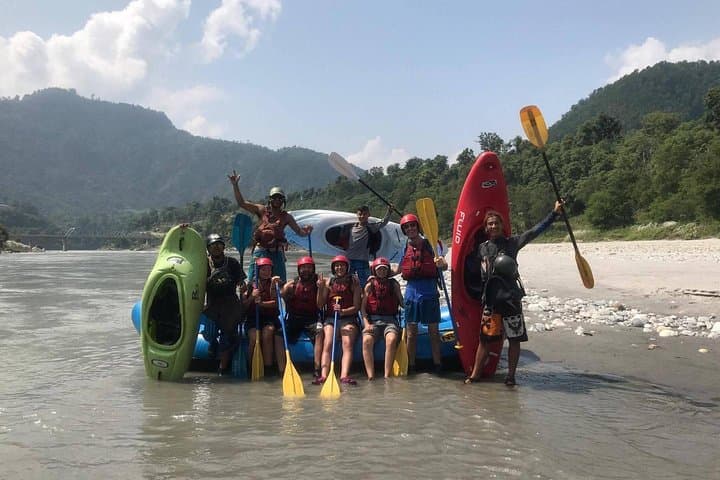
Morning light cuts the hills as a dusty road drops toward the Trishuli River, and the sound of current grows louder than cars. Rafters gather on a broad sandbar: helmets click on, paddles dip, and the river seems to dare the group forward with a steady, teasing roar.
Morning light cuts the hills as a dusty road drops toward the Trishuli River, and the sound of current grows louder than cars. Rafters gather on a broad sandbar: helmets click on, paddles dip, and the river seems to dare the group forward with a steady, teasing roar.
The Trishuli winds through the Lesser Himalaya and Siwalik foothills, fed by highland streams and seasonal monsoon swell. Geologically the gorge alternates cobble bars and shallow ledges—ideal for a day trip that mixes calm floats with a handful of punchy rapids. Culturally this stretch has long served traders and pilgrims connecting Kathmandu with the western lowlands; villages along the banks sell tea, pakoras, and roadside snacks to passing groups.
On the water expect a balanced day: a scenic drive of roughly 3–4 hours from Kathmandu, several rapids that deliver adrenaline without prolonged exposure to technical whitewater, and a picnic lunch on a white-sand beach. Guides brief novices on paddling and rescue; swimming is occasional and supported by safety boats.
Practical guidance: wear quick-drying layers and secure water shoes, carry a small dry bag for phone and documents, and plan for early pickup from Kathmandu. The river is runnable year-round—higher volume during the monsoon widens rapids and lowers visibility; spring and autumn offer clearer water and stable weather. If you have extra time, consider an overnight at a riverside camp or combining the trip with travel to Pokhara or Chitwan. Hydrate before the run, listen to your guide’s calls, and expect a fulfilling one-day escape from the city with scenic banks, local roadside culture, and reliable whitewater thrills.