THE ADVENTURE COLLECTIVE® · Independent discovery and booking for outdoor travel

A two-day classic from McLeod Ganj, the Triund Trek delivers grassy ridge camping and direct views of the Dhauladhar snow line. This guide covers what to expect on trail, practical prep, and seasonal tips for the overnight camp.
A two-day classic from McLeod Ganj, the Triund Trek delivers grassy ridge camping and direct views of the Dhauladhar snow line. This guide covers what to expect on trail, practical prep, and seasonal tips for the overnight camp.
Morning light breaks over pine and rhododendron as you climb from McLeod Ganj toward Triund, the grassy saddle that opens onto the Dhauladhar range. At 2,828 m the ridge holds a sweeping, high-alpine feel: wind-scoured grass, a thin tree line of oak and rhododendron, and a horizon of serrated snow peaks daring you to keep moving.
Verified experiences and guided adventures in the surrounding area.
Operated by Tripills · McLeod Ganj, Himachal Pradesh
Morning light breaks over pine and rhododendron as you climb from McLeod Ganj toward Triund, the grassy saddle that opens onto the Dhauladhar range. At 2,828 m the ridge holds a sweeping, high-alpine feel: wind-scoured grass, a thin tree line of oak and rhododendron, and a horizon of serrated snow peaks daring you to keep moving.
The route follows a well-defined trail of undulating switchbacks and steeper pitches that has guided pilgrims and trekkers for decades. Geologically, the Dhauladhars are a young, folded thrust of the Himalaya—sharp ridgelines and rapidly changing weather define the experience. Culturally, the trail skirts Tibetan Buddhist pockets around McLeod Ganj and Dharamshala, where prayer flags and monasteries speak to the region’s modern history.
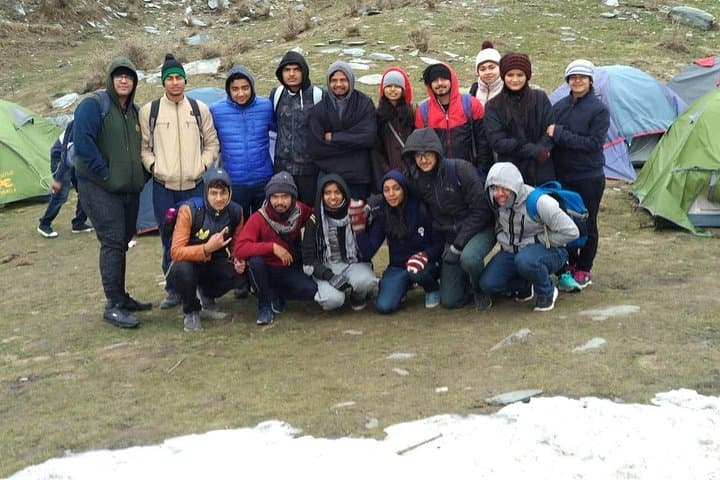
Expect 7–8 km of one-way hiking across mixed dirt and rocky tread, with roughly 700–900 m of elevation gain depending on your start point. Campsites at Triund are exposed grassy meadows; guides typically pitch tents, provide sleeping bags and meals, and point out the seasonal snow line on clear mornings.
Practical guidance: start early to avoid afternoon cloud and crowds, bring insulated layers for cold nights, and plan for sudden wind or rain. Hydrate and pace the ascent—moderate fitness and sturdy footwear make this accessible to most hikers. If you want snow-line views, aim for late winter to early spring or late autumn. Leave no trace: the meadow is fragile and popular, so pack out waste and minimize campfire impact.
The trail is typically 7–8 km one-way from McLeod Ganj/Dharamkot and takes 3–5 hours depending on pace and stops.
There is no formal permit system for the Triund day trek; guided and organized overnight treks often handle local permissions and camping logistics.
Organized two-day treks usually include tents, sleeping bags and mattresses—confirm specifics with your operator before booking.
Late winter to early spring and late autumn often offer clear air and visible snow-lines; monsoon months can be cloudy and slippery.
Tripills operates guided outdoor trips and adventures with an emphasis on safety, stewardship, and memorable experiences.
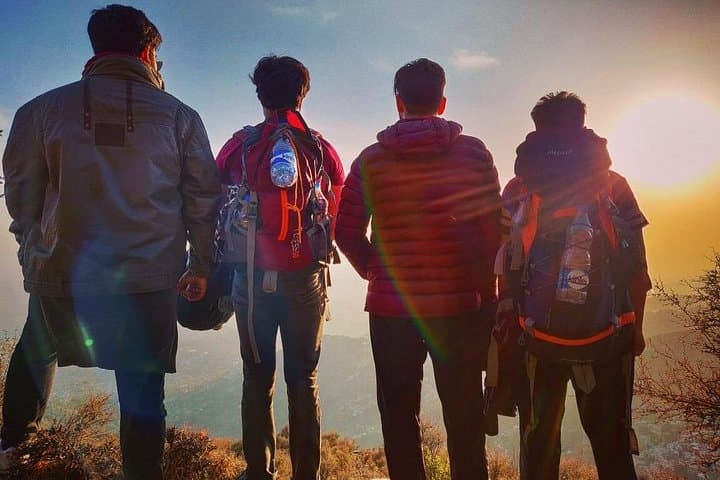


Morning light breaks over pine and rhododendron as you climb from McLeod Ganj toward Triund, the grassy saddle that opens onto the Dhauladhar range. At 2,828 m the ridge holds a sweeping, high-alpine feel: wind-scoured grass, a thin tree line of oak and rhododendron, and a horizon of serrated snow peaks daring you to keep moving.
Morning light breaks over pine and rhododendron as you climb from McLeod Ganj toward Triund, the grassy saddle that opens onto the Dhauladhar range. At 2,828 m the ridge holds a sweeping, high-alpine feel: wind-scoured grass, a thin tree line of oak and rhododendron, and a horizon of serrated snow peaks daring you to keep moving.
The route follows a well-defined trail of undulating switchbacks and steeper pitches that has guided pilgrims and trekkers for decades. Geologically, the Dhauladhars are a young, folded thrust of the Himalaya—sharp ridgelines and rapidly changing weather define the experience. Culturally, the trail skirts Tibetan Buddhist pockets around McLeod Ganj and Dharamshala, where prayer flags and monasteries speak to the region’s modern history.
Expect 7–8 km of one-way hiking across mixed dirt and rocky tread, with roughly 700–900 m of elevation gain depending on your start point. Campsites at Triund are exposed grassy meadows; guides typically pitch tents, provide sleeping bags and meals, and point out the seasonal snow line on clear mornings.
Practical guidance: start early to avoid afternoon cloud and crowds, bring insulated layers for cold nights, and plan for sudden wind or rain. Hydrate and pace the ascent—moderate fitness and sturdy footwear make this accessible to most hikers. If you want snow-line views, aim for late winter to early spring or late autumn. Leave no trace: the meadow is fragile and popular, so pack out waste and minimize campfire impact.