THE ADVENTURE COLLECTIVE® · Independent discovery and booking for outdoor travel

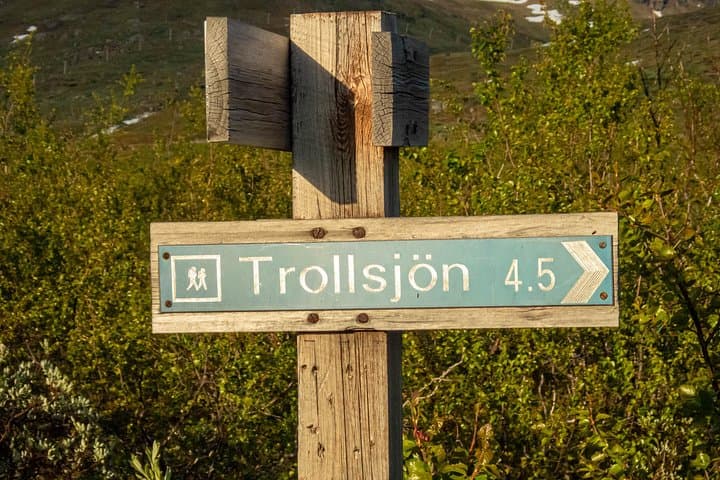
A guided day tour into Kärkevagge leads to Trollsjön—one of Sweden’s most transparent glacial lakes. This six-hour outing combines a rugged boulder-strewn approach with wildlife viewing and dramatic alpine geology.
A guided day tour into Kärkevagge leads to Trollsjön—one of Sweden’s most transparent glacial lakes. This six-hour outing combines a rugged boulder-strewn approach with wildlife viewing and dramatic alpine geology.
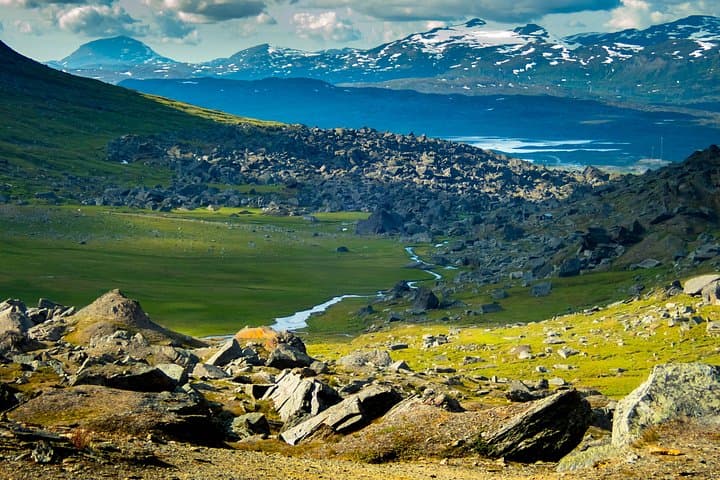
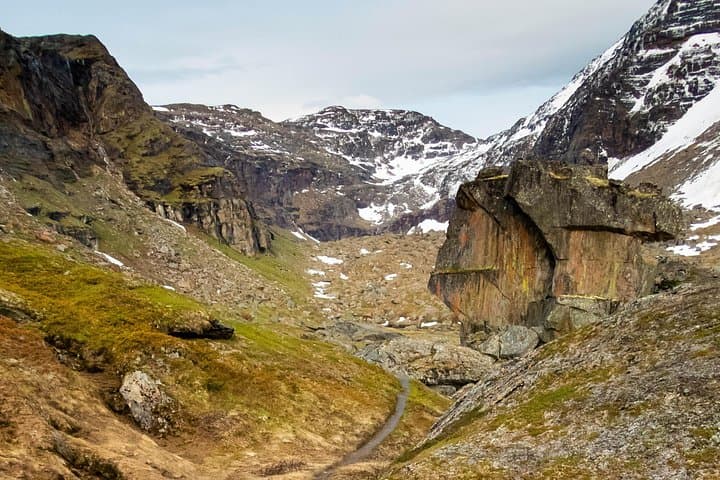
A cold wind moves through Kärkevagge as you step from the minibus and start up the rocky valley floor; boulders hunch like old watchmen, and the trail threads between them toward a pool that almost refuses to be contained.
Verified experiences and guided adventures in the surrounding area.
Operated by Abisko Adventure · Kiruna, Norrbotten
A cold wind moves through Kärkevagge as you step from the minibus and start up the rocky valley floor; boulders hunch like old watchmen, and the trail threads between them toward a pool that almost refuses to be contained.
Trollsjön (Rissajaure) sits at about 815 m above sea level at the valley’s head, fed by glacial melt and famed for water visibility reported to 36 m and a likely maximum depth near 70 m. The lake’s Sami name—Rissajaure—means the lake that glimmers like fire, and the landscape around it records ice, frost-shattered rock, and a human history of reindeer herding and mountain travel.
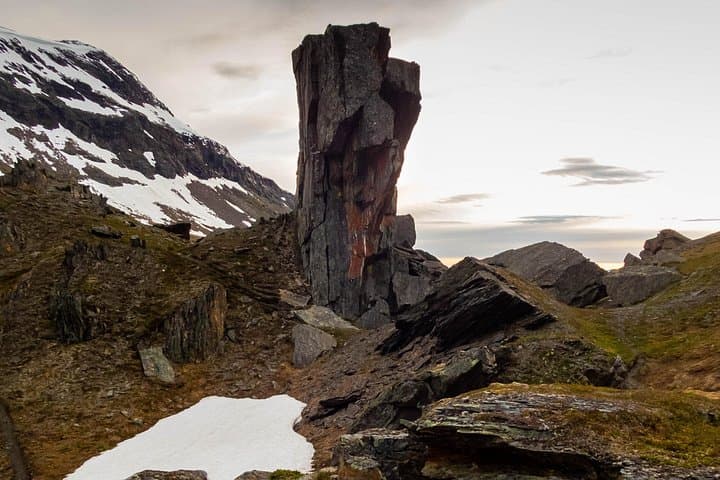
Geology here is immediate: a 5.5 km rocky gorge, massive rounded blocks, and an estimated 3,000 caves tucked between slabs where water and freeze-thaw sculpted the floor. Wildlife is visible from the path—reindeer browsing, bold mountain pipits, buzzards circling, and the occasional sea eagle sketching the skyline.
Expect a steady, moderate hike of several hours across uneven terrain with short climbs and loose scree. The lake is sterile and ice-cold—swimming isn’t warm or recommended. Guides typically drive you close in an air-conditioned vehicle, then lead the approach on foot in groups of up to eight.
Practical tips: bring layered insulation, a waterproof shell, sturdy hiking boots, and at least 2 liters of water. Start early for stable weather and clearer wildlife sightings; keep to trails and avoid disturbing fragile pools and tundra vegetation. The payoff is uncompromised mountain clarity and a raw Arctic valley that feels alive underfoot.
The guided outing is typically a six-hour round trip including transport; hiking time on foot depends on group pace but plan several hours on trail.
While legally possible, the lake is glacial and extremely cold; guides generally advise against swimming to avoid hypothermia and to protect the fragile ecosystem.
Common sightings include reindeer, mountain pipits, grouse, hares, and various raptors; sea eagles are occasionally seen overhead.
Children with hiking experience and families used to uneven terrain can manage, but everyone should have good footwear and moderate fitness; the tour is not recommended for those with serious heart conditions.
Abisko Adventure operates guided outdoor trips and adventures with an emphasis on safety, stewardship, and memorable experiences.
A cold wind moves through Kärkevagge as you step from the minibus and start up the rocky valley floor; boulders hunch like old watchmen, and the trail threads between them toward a pool that almost refuses to be contained.
A cold wind moves through Kärkevagge as you step from the minibus and start up the rocky valley floor; boulders hunch like old watchmen, and the trail threads between them toward a pool that almost refuses to be contained.
Trollsjön (Rissajaure) sits at about 815 m above sea level at the valley’s head, fed by glacial melt and famed for water visibility reported to 36 m and a likely maximum depth near 70 m. The lake’s Sami name—Rissajaure—means the lake that glimmers like fire, and the landscape around it records ice, frost-shattered rock, and a human history of reindeer herding and mountain travel.
Geology here is immediate: a 5.5 km rocky gorge, massive rounded blocks, and an estimated 3,000 caves tucked between slabs where water and freeze-thaw sculpted the floor. Wildlife is visible from the path—reindeer browsing, bold mountain pipits, buzzards circling, and the occasional sea eagle sketching the skyline.
Expect a steady, moderate hike of several hours across uneven terrain with short climbs and loose scree. The lake is sterile and ice-cold—swimming isn’t warm or recommended. Guides typically drive you close in an air-conditioned vehicle, then lead the approach on foot in groups of up to eight.
Practical tips: bring layered insulation, a waterproof shell, sturdy hiking boots, and at least 2 liters of water. Start early for stable weather and clearer wildlife sightings; keep to trails and avoid disturbing fragile pools and tundra vegetation. The payoff is uncompromised mountain clarity and a raw Arctic valley that feels alive underfoot.