THE ADVENTURE COLLECTIVE® · Independent discovery and booking for outdoor travel
Leave the city lights behind and ride with a small-group minivan deep into Arctic fjords as professional guides and a photographer maximize your chances to see the Aurora. Expect long nights, practical comforts like thermic suits and a photographer’s help with camera settings.
Leave the city lights behind and ride with a small-group minivan deep into Arctic fjords as professional guides and a photographer maximize your chances to see the Aurora. Expect long nights, practical comforts like thermic suits and a photographer’s help with camera settings.
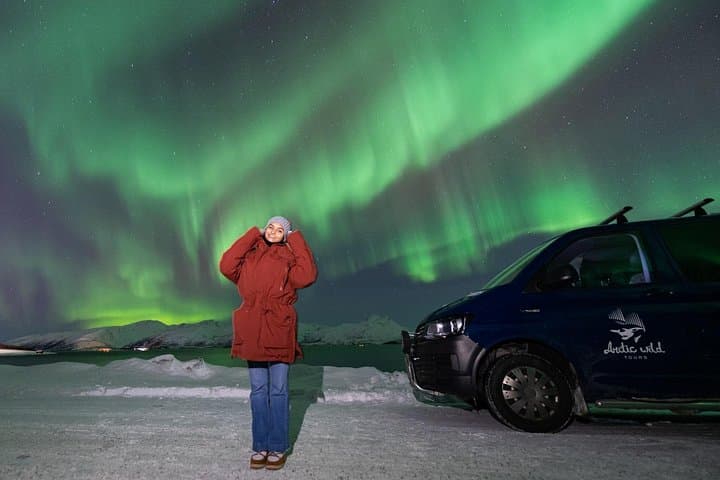
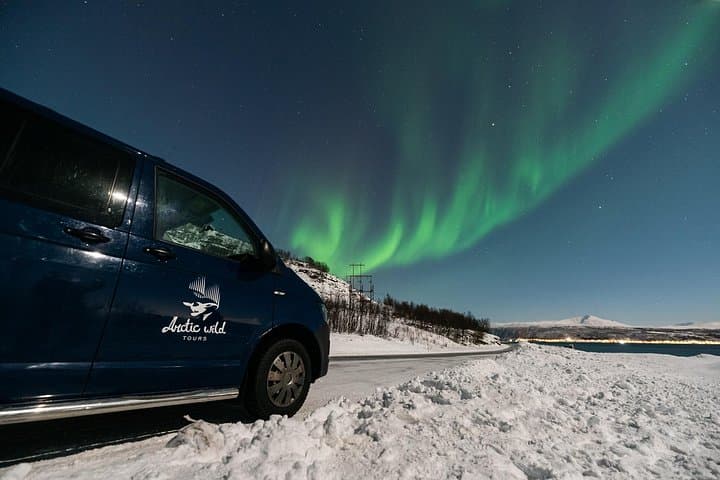
The minivan slips away from Tromsø’s sodium-lit streets and into a sky that seems to hold its breath. Frost snaps underfoot as guides scan horizons and satellite maps; tripods click into place and a campfire warms gloved hands while the first green curtains begin to unfurl.
Verified experiences and guided adventures in the surrounding area.
Operated by Arctic Wild Tours · Tromsø, Troms og Finnmark
The minivan slips away from Tromsø’s sodium-lit streets and into a sky that seems to hold its breath. Frost snaps underfoot as guides scan horizons and satellite maps; tripods click into place and a campfire warms gloved hands while the first green curtains begin to unfurl.
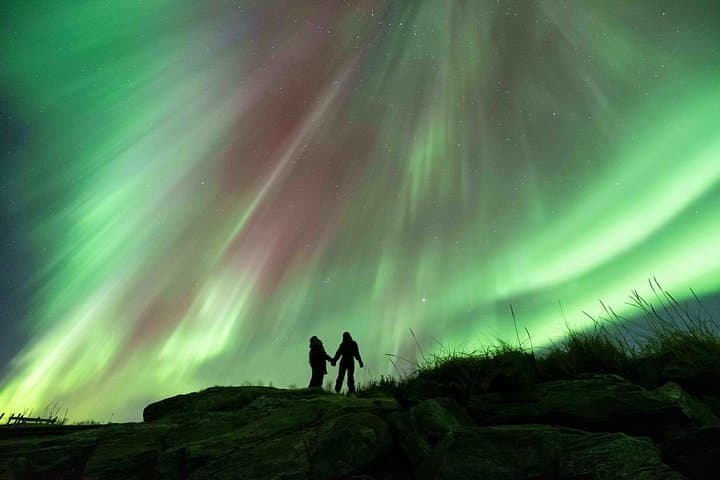
This is the Arctic in motion: a practical, patient hunt for the Aurora Borealis. The lights are solar wind made visible — charged particles colliding with Earth’s upper atmosphere — but the human story here is older: Tromsø has long been a launching point for polar explorers and a crossroads for Sámi culture, whose reindeer herding traditions still mark the landscape. Geologically, fjords and mountains shape local weather, so guides may follow clear-sky pockets into fjords or even across the nearby Finnish border to increase sighting odds.
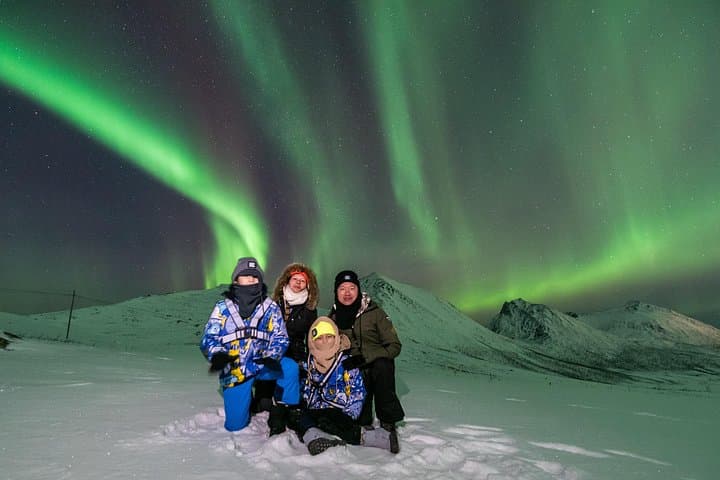
Expect a small-group rhythm rather than spectacle on demand. Tours run up to seven hours, include thermic suits, dinner and a photographer who helps with camera setup and captures portraits beneath the aurora. Terrain is paved roads and occasional gravel pullouts; stops are short and focused. Practical prep matters more than luck: warm, layered clothing, a tripod, spare batteries and a charged phone are essential. Plan for late nights, variable driving, and flexible weather. Timing is key — prime aurora season runs from September through April — and a guide’s local knowledge and willingness to extend the chase is the single best predictor of success.
If the lights appear, they’ll demand stillness; if they don’t, you’ll still return with stories of fjord-dark skies and the quiet physics of the Arctic night.
Guides use weather models and mobile forecasts to maximize odds; season and clear skies matter most—operators extend the tour when necessary to improve chances.
Yes—meet in front of the Magic Ice Bar in Tromsø for departure; some operators may offer central pickups on request.
Yes—professional photographers on the tour provide hands-on help with camera setup and take portraits for guests.
Tours typically offer full refunds if canceled due to poor weather or insufficient travelers; check the operator’s 24-hour cancellation policy.
Arctic Wild Tours operates guided outdoor trips and adventures with an emphasis on safety, stewardship, and memorable experiences.
The minivan slips away from Tromsø’s sodium-lit streets and into a sky that seems to hold its breath. Frost snaps underfoot as guides scan horizons and satellite maps; tripods click into place and a campfire warms gloved hands while the first green curtains begin to unfurl.
The minivan slips away from Tromsø’s sodium-lit streets and into a sky that seems to hold its breath. Frost snaps underfoot as guides scan horizons and satellite maps; tripods click into place and a campfire warms gloved hands while the first green curtains begin to unfurl.
This is the Arctic in motion: a practical, patient hunt for the Aurora Borealis. The lights are solar wind made visible — charged particles colliding with Earth’s upper atmosphere — but the human story here is older: Tromsø has long been a launching point for polar explorers and a crossroads for Sámi culture, whose reindeer herding traditions still mark the landscape. Geologically, fjords and mountains shape local weather, so guides may follow clear-sky pockets into fjords or even across the nearby Finnish border to increase sighting odds.
Expect a small-group rhythm rather than spectacle on demand. Tours run up to seven hours, include thermic suits, dinner and a photographer who helps with camera setup and captures portraits beneath the aurora. Terrain is paved roads and occasional gravel pullouts; stops are short and focused. Practical prep matters more than luck: warm, layered clothing, a tripod, spare batteries and a charged phone are essential. Plan for late nights, variable driving, and flexible weather. Timing is key — prime aurora season runs from September through April — and a guide’s local knowledge and willingness to extend the chase is the single best predictor of success.
If the lights appear, they’ll demand stillness; if they don’t, you’ll still return with stories of fjord-dark skies and the quiet physics of the Arctic night.
